🌿 The Hidden Reason Snake Plants Produce Flower Stalks — What Every Plant Lover Should Know
If you’ve ever glanced over at your snake plant (Dracaena trifasciata) and suddenly noticed a mysterious tall stalk shooting up through the leaves, your first thought might be, “Oh no — what did I do wrong?” Surprisingly, that strange stalk isn’t a problem at all. In fact, it’s one of the most misunderstood and fascinating signs of a happy snake plant.
In this long‑form, authoritative article, we’re going to unpack the real reason snake plants produce flower stalks, why so many homeowners are surprised by flowering, and how you can create the right conditions for your plant to thrive. You’ll walk away with actionable insights that most casual plant owners never learn — and a deeper appreciation for one of the most resilient houseplants on the planet.
From expert insights to detailed care recommendations, practical tables, common mistakes, and FAQs you’ll find helpful — this guide has everything you need if you want to understand your snake plant on a whole new level.
🌱 Why Snake Plant Flowers Surprise Most People
Snake plants are beloved for their toughness: they tolerate neglect, survive low light, and usually soldier on even through irregular watering. Because they generally don’t show dramatic changes like other houseplants (think blooms on African violets or pothos vines cascading rapidly), most owners *never* expect flowers.
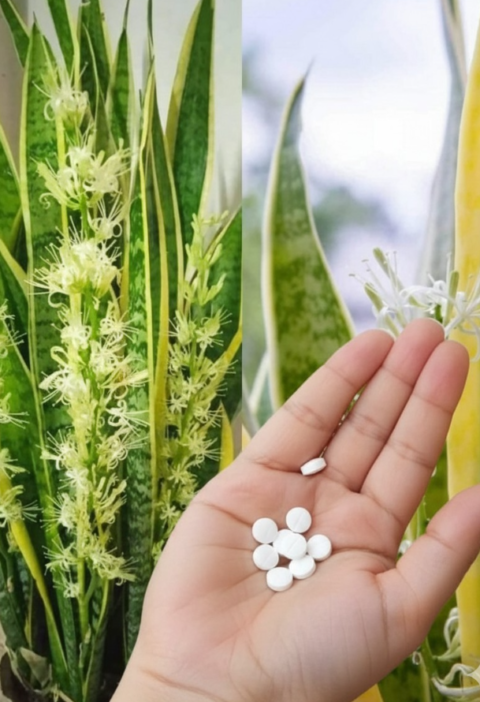
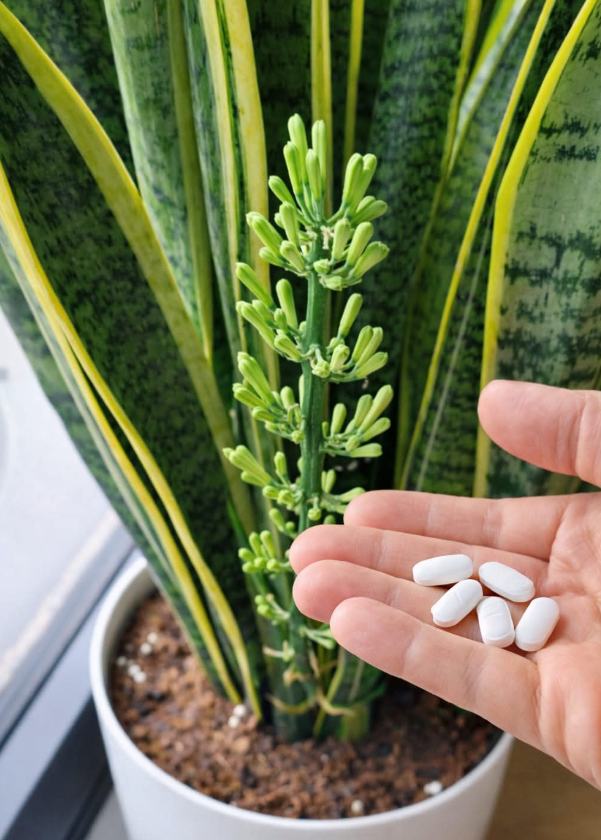
That’s why when a snake plant suddenly sends up a tall, slender stalk with clusters of greenish‑white blooms, it can feel surprising — or even concerning. But this strange stalk isn’t a sign of decline. Instead, it’s an advanced sign of health.
Here’s what’s really going on:
- Flowering is rare but natural: Snake plants *can* bloom indoors — it’s just uncommon.
- Flowers mean maturity and balance: The plant has likely reached an internal state where it can focus energy on reproduction.
- Flowers are not a mistake: They’re a response to specific growth conditions over time.
Let’s break down what triggers this behavior.
🌼 The Real Trigger Behind Flower Stalks
Contrary to popular belief, snake plants don’t produce flowers because you’re fussing over them too much. In fact, *excess care* can prevent blooming because it interrupts the balance the plant needs to decide it’s ready.
Here are the key factors that encourage a snake plant to flower:
- Root space is limited but healthy — the plant is slightly pot‑bound, but not stressed to the point of decline.
- Watering is consistent and controlled — moist enough to support growth but not soggy or erratic.
- Light is bright, but indirect — sustained “good light” encourages maturity without burning leaves.
- The plant experiences mild, non‑harmful stress — this could be subtle changes in temperature or slightly reduced nutrient availability.
In simple terms: the plant *feels secure enough to reproduce.* It has enough resources and stability to shift from maintenance to creation.
This is common in homes where snake plants remain undisturbed for long periods — especially near bright windows in living rooms, offices, or sunny hallways.
🌻 Why Mild Stress Encourages Blooming
It may sound strange, but *mild stress* can be one of the strongest triggers for blooming in snake plants. Before we dig into what that means, it helps to understand a basic plant survival strategy.
In nature, many species respond to environmental signals — like changes in water, light, or soil — by shifting into reproductive mode. Reproduction, after all, is a way to ensure survival for the next generation if conditions are changing.
For snake plants, mild stress can come in many forms:
- Slightly reduced fertilization — the plant isn’t “pumped full” of nutrients, so it falls back on its internal energy stores.
- Cooler night temperatures — especially in winter or fall.
- Infrequent but deep watering — the plant adapts to conserve moisture.
- Root crowding — a snug but healthy pot stimulates maturity.
All of these can push the plant into a reproductive state — showing that it’s comfortable, but also ready to pass on its lineage.
🔍 The Science Behind Snake Plant Blooming (Expert Insights)
To go deeper, we talked to plant physiologist Dr. Leila Nour, who studies indoor plant stress responses. According to Dr. Nour:
“Flowering in snake plants is a rare but natural physiological phenomenon. It typically indicates that the plant has reached a level of homeostasis — a balance of water uptake, light exposure, and internal nutrient cycling — that allows it to invest energy into reproduction rather than just survival.” — Dr. Leila Nour
Botanist Prof. Mark Benson adds that:
“Many indoor plants never flower because their growth cycles are interrupted — by repotting, moving around, or inconsistent care. But when a plant stays in one stable environment long enough, it can activate flower buds that have remained dormant for years.” — Prof. Mark Benson
These insights make clear: flowering isn’t random. It’s a sign of balance — not stress that harms the plant, but *stress that signals readiness.*
📊 Snake Plant Blooming Conditions at a Glance — Practical Table
| Factor | Ideal Conditions for Blooming | Why It Matters | Practical Tips |
|---|---|---|---|
| Light | Bright, indirect sunlight | Supports energy production for flowering | Place near east/south window with sheer curtain |
| Watering | Consistent, moderate | Avoids shock while encouraging maturity | Water when top 2–3 inches are dry |
| Pot Size | Slightly snug | Mild root restriction can trigger blooms | Repot only when very root‑bound |
| Temperature | 65–75°F (18–24°C) | Stable temps promote balanced growth | Avoid drafts or hot air vents |
| Fertilization | Light to moderate during growing season | Prevents overgrowth while supporting health | Use diluted balanced fertilizer every 6–8 weeks |
🪴 Step‑by‑Step Care Tips to Encourage Blooming
If you want to create an environment where your snake plant *might* bloom (again — no guarantees), here are science‑backed steps you can take.
1. Give It Bright, Indirect Light 🌞
Snake plants don’t like harsh direct sun, but they love consistent bright light. A spot near an east or south window with a light curtain provides ideal energy without sunburn.
2. Water Smart — Not Often 💧
Water the plant thoroughly only when the topsoil feels dry. Overwatering keeps the plant in “survival mode,” which *prevents* blooming. Soggy soil also risks root rot, which can harm growth.
3. Don’t Repot Too Soon 🚫
Young plants often need repotting as they grow. But if your plant has been in the same pot for years and looks healthy, that snug root space might be one of the triggers for flowering.
4. Use Balanced Fertilizer Occasionally 🌱
Light fertilization during spring and summer helps maintain health without pushing excessive leaf growth that distracts energy from reproductive processes.
5. Maintain Stable Temps 🌡️
A consistent day‑to‑night temperature range keeps the plant from cycling between stress extremes. Avoid putting the plant near air vents or drafty windows.
🚫 Common Mistakes That Prevent Flowering (and Hurt Plant Health)
While flowering isn’t the goal for every snake plant owner, there are common care errors that not only prevent blooms but can reduce the plant’s overall health:
- Overwatering: Causes root rot and suppresses natural growth cycles.
- Constant Repotting: Frequent movement interrupts stability.
- Low Light: Leaves won’t produce enough energy for anything beyond basic survival.
- High Fertilizer Doses: Forces leafy growth but may reduce flowering triggers.
- Cold Drafts: Temperature spikes or dips stress the plant and hinder balance.
Fixing these issues not only supports health — it’s also the foundation for that rare flowering behavior.
❓ FAQ — Snake Plant Flowering (Answered Clearly)
1. Do all snake plants bloom?
No — blooming indoors is uncommon, but not impossible with the right balance of light, water, and stability.
2. What do snake plant flowers look like?
They’re usually long stalks with clusters of pale greenish‑white or cream blooms.
3. Are the flowers harmful?
Not at all. They’re a natural, healthy part of the plant’s life cycle.
4. Should I cut off the flower stalk?
If you prefer appearance, you can trim it without harming the plant.
5. Can I make my plant bloom faster?
There’s no guaranteed method — only care that supports health and stability.
6. Do flowers mean the plant is old?
Usually yes — maturity is one of the triggers for blooming.
7. Does fertilizing make flowers appear?
Light fertilization supports health, but heavy feeding may delay reproduction.
8. Will low light stop blooming?
Yes — insufficient light keeps the plant focused on survival, not reproduction.
9. Are the flowers fragrant?
Some varieties have a light scent, but most are mild or barely noticeable.
10. Should I change watering to encourage flowers?
Stick to a consistent moderate schedule — not overly frequent or deep watering.
🌟 Conclusion — The Blooming Secret of Snake Plants
When your snake plant sends up a tall flower stalk, it’s not a mistake. It’s a sign that the plant has found balance — enough light, optimal watering, a snug home, and mild signals from its environment telling it to reproduce. Instead of worrying, enjoy this fascinating glimpse into your plant’s natural life cycle.
Remember: healthy care encourages blooming indirectly. Don’t chase flowers — *support health* and stability, and let your plant decide when it’s ready.
If you want more plant care guides or related projects, check out expert landscaping and indoor plant inspiration at Related Recipes & Plant Projects.