🥔 Why Smart Homeowners Are Learning to Store Vegetables Without Using the Fridge
Most people automatically place fruits and vegetables in the refrigerator the moment they get home.
It feels safer.
Cleaner.
More practical.
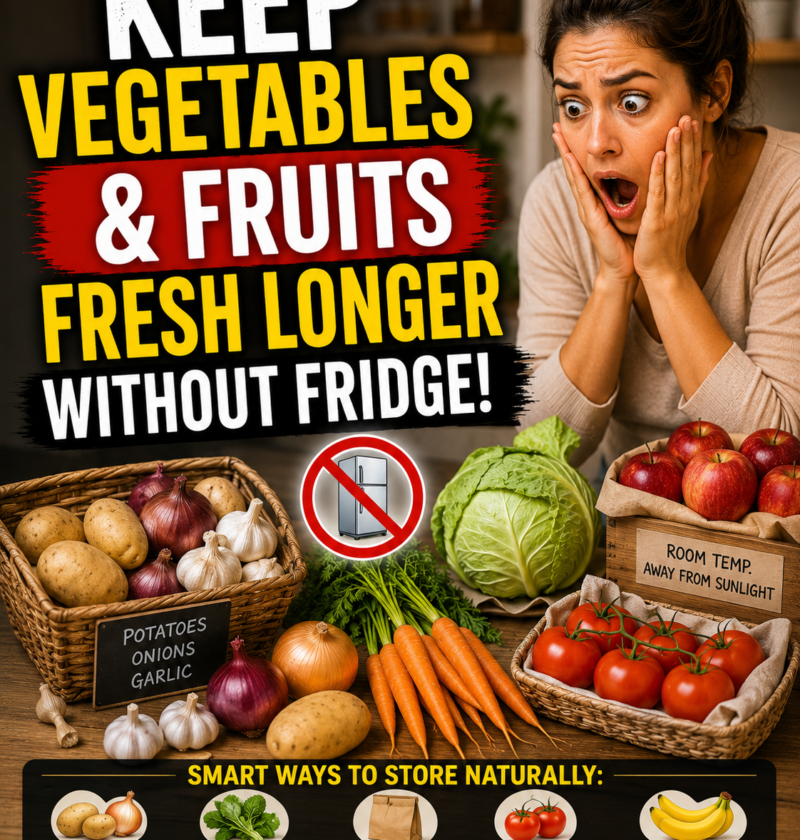
But surprisingly, many homeowners are discovering that some vegetables and pantry foods actually last longer, taste better, and stay fresher when stored correctly outside the fridge.
And in many homes, improper refrigeration quietly causes vegetables to soften, lose flavor, spoil faster, or develop moisture problems much sooner than expected.
That’s why smart homeowners are paying closer attention to natural storage methods that help preserve food freshness without depending entirely on refrigeration.
🧅 Why Some Vegetables Dislike Cold Temperatures
Not all vegetables respond the same way to refrigeration.
Certain foods naturally prefer:
- cool dry spaces
- airflow
- darkness
- stable room temperatures
Especially:
- onions
- potatoes
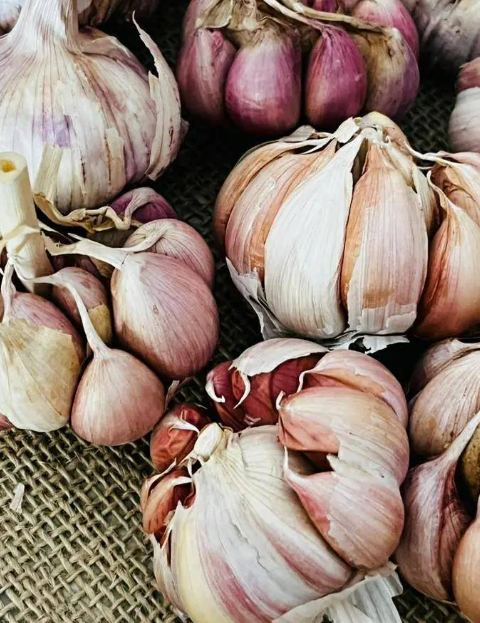
- garlic
- squash
- sweet potatoes
When stored improperly in cold humid refrigerators, some of these foods may:
- soften faster
- sprout early
- develop texture changes
- absorb moisture
- lose flavor
That’s why traditional pantry storage is becoming popular again in many homes.
🌬️ Airflow Matters More Than People Realize
One of the biggest reasons produce spoils quickly is trapped moisture.
Plastic bags and sealed containers often trap humidity around vegetables, especially at room temperature.
That moisture can speed up:
- mold growth
- soft spots
- rotting
- bad smells
Smart homeowners now focus more on breathable storage instead of sealing everything tightly.
Popular options include:
✅ baskets
✅ paper bags
✅ wooden crates
✅ mesh storage bins
✅ open pantry shelves
Good airflow often helps vegetables stay fresher longer naturally.
🥔 Why Potatoes and Onions Should Usually Be Separated
Many people store potatoes and onions together without realizing they can affect each other over time.
Certain gases released naturally during storage may speed up spoilage when these foods remain packed closely together.
That’s why many homeowners now separate:
- onions
- potatoes
- garlic
into different containers or storage areas.
Small adjustments can noticeably improve freshness.
☀️ Why Sunlight Quietly Damages Produce
Direct sunlight can shorten the lifespan of many vegetables surprisingly fast.
Warm sunny spots may increase:
- sprouting
- drying
- softening
- spoilage
- moisture imbalance
That’s why smart homeowners often choose:
✅ darker pantry corners
✅ shaded shelves
✅ cool cabinets
✅ dry storage spaces
instead of leaving produce exposed on bright countertops all day.
🍅 Why Some Foods Taste Better Outside the Fridge
Interestingly, certain fruits and vegetables may keep better flavor and texture at room temperature.
For example:
- tomatoes
- bananas
- avocados
- peaches
Cold temperatures sometimes affect texture and taste more than people expect.
That’s one reason many homeowners now refrigerate only when foods become overly ripe or need longer preservation.
🧺 Why Traditional Storage Methods Are Returning
Many people are rediscovering older food storage habits used long before modern refrigerators existed.
Simple practices like:
✅ cool dark storage
✅ breathable containers
✅ keeping produce dry
✅ separating certain foods
✅ avoiding excess moisture
can help reduce waste naturally.
And surprisingly, many homeowners say their produce now lasts longer than before.