🍵 How to Make Cinnamon Tea at Home
One of the reasons cinnamon tea remains so appealing is its simplicity. You do not need elaborate equipment, specialty training, or a long list of ingredients. In its most basic form, cinnamon tea is simply cinnamon infused into hot water. Yet within that simplicity there is room for flavor, routine, and preference.
The most traditional and satisfying version usually begins with cinnamon sticks rather than ground cinnamon. Sticks create a cleaner, more elegant infusion and are easier to strain. Ground cinnamon can work in some cases, but it often leaves sediment and a slightly gritty texture that many people do not enjoy. For a clear, fragrant tea, sticks are usually the better choice.
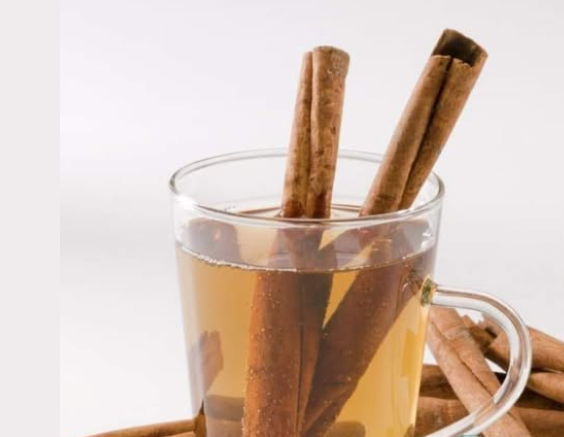
To prepare a basic cup, place one cinnamon stick in a mug or small saucepan. Pour hot water over it or simmer it gently in water for ten to fifteen minutes if you want a stronger extraction of flavor. The longer the stick sits in the hot water, the deeper and warmer the infusion becomes. Some people like a very light, subtle tea. Others prefer a richer, more aromatic version. Both are valid.
If you are preparing several servings, add two to three sticks to a small pot of water and let them simmer gently. As the scent fills the kitchen, the experience becomes part of the ritual. This is one of the pleasures of cinnamon tea that no supplement can replicate. It engages the senses before it is even consumed.
After straining or removing the sticks, the tea can be enjoyed plain or with simple additions. A squeeze of lemon adds brightness. A slice of fresh ginger makes the drink feel more vibrant and warming. A small spoonful of honey can soften the edges if needed, though many people find cinnamon naturally satisfying enough to require little else.
🌰 Choosing the Best Cinnamon for Tea
Not all cinnamon feels the same in a cup. If you plan to enjoy cinnamon tea regularly, it helps to understand the basic difference between Cassia and Ceylon cinnamon. Cassia is more common, bolder, and usually less expensive. It has a strong, familiar flavor that many people recognize from supermarket cinnamon. Ceylon is often lighter, more delicate, and more nuanced.
For occasional tea, many people simply use what they already have. For more regular use, some prefer Ceylon cinnamon because of its gentler profile and the fact that it generally contains less coumarin, a naturally occurring compound that is present in higher amounts in Cassia cinnamon. This does not mean Cassia is forbidden. It simply means moderation matters, especially when a spice becomes a daily habit rather than an occasional treat.
A practical rule is to choose good-quality sticks that smell fresh and warm rather than dusty or stale. The better the cinnamon, the more satisfying the tea. Since the ingredient list is so short, quality becomes more noticeable.
🥣 Step-by-Step Cinnamon Tea Instructions
For anyone who likes a precise, easy method, here is a dependable way to prepare cinnamon tea.
Place one cinnamon stick in a mug or in a small saucepan with about one to one and a half cups of water. Bring the water to a gentle simmer, not a violent boil, and let the cinnamon infuse for ten to fifteen minutes. If you are using a mug rather than a pot, pour freshly boiled water over the stick, cover the mug, and let it steep for at least ten minutes. The covered steep helps preserve aroma.
Remove the stick when the tea reaches the strength you enjoy. Taste it before adding anything. Many people are surprised by how naturally full the flavor feels. If desired, add a thin slice of ginger, a squeeze of lemon, or a very small amount of honey. Drink slowly while warm.
If you enjoy a stronger brew, let the stick simmer a little longer rather than adding several sticks at once. If the flavor feels too intense, shorten the steeping time or dilute with extra hot water. Cinnamon tea is easy to adjust, and that flexibility makes it easier to turn into a lasting habit.
⏰ When Is the Best Time to Drink Cinnamon Tea?
There is no single perfect time for everyone, but cinnamon tea tends to work especially well in a few predictable windows. Many people love it in the morning as a caffeine-free warm start, particularly on cold days. It can feel energizing in a sensory way without relying on coffee. The aroma wakes up the senses gently.
Others prefer cinnamon tea after meals, especially in the late afternoon or evening. The warmth can help mark the end of eating and support a slower, more relaxed transition into the next part of the day. For people trying to reduce late-night snacking, an evening mug of cinnamon tea may become a satisfying replacement habit.
It can also work beautifully as a mid-afternoon pause. That time of day often invites sugary snacks, another coffee, or restless grazing in the kitchen. A fragrant cup of cinnamon tea can interrupt that pattern in a more mindful way.
The best time is the one you can repeat. Ritual matters more than perfection. A cup you truly enjoy three times a week at a consistent moment is more valuable than an idealized routine you never follow.
🗓️ Best Daily and Weekly Routines for Cinnamon Tea
Cinnamon tea is most useful when it fits into real life. That means moderation, consistency, and flexibility. For most people, a few cups per week is a perfectly reasonable rhythm. Some may enjoy one cup daily, especially during colder months or when building a calming evening ritual. Others may use it only after certain meals or during specific seasons.
A practical weekly routine might include cinnamon tea in the evening several times a week as a way to unwind. Another person may reserve it for afternoons when they want to avoid another caffeinated drink. Someone else may use it on weekends as part of a slower breakfast ritual. The exact routine matters less than the relationship you build with it.
What makes cinnamon tea effective as a wellness habit is not intensity but context. It works best when paired with other sensible routines such as staying hydrated, eating balanced meals, moving regularly, and getting enough rest. In that kind of environment, a simple tea can play a surprisingly meaningful role.
🍎 Lifestyle Habits That Pair Well With Cinnamon Tea
Cinnamon tea becomes more valuable when it supports healthier decisions elsewhere in the day. One obvious pairing is with hydration. Starting or ending the day with a warm tea can increase total fluid intake, especially for people who forget to drink enough water in cooler weather.
Another helpful pairing is with meal awareness. A cup of cinnamon tea after dinner may help people shift out of the habit of wandering back to the kitchen for unnecessary snacks. This is not because cinnamon suppresses the laws of human appetite, but because rituals shape behavior. When the day has a graceful closing routine, impulsive eating often loses some of its pull.
Cinnamon tea also fits nicely with slow mornings, journaling, reading, stretching, or a quiet walk. It complements activities that calm the nervous system and make the day feel more intentional. In that sense, its benefits are partly environmental. It helps create a different kind of rhythm.
😌 Additional Wellness Benefits Beyond the Cup
One of the overlooked strengths of cinnamon tea is how it helps reframe wellness as something approachable. The drink is humble. It does not demand a dramatic identity shift. It simply asks for a few minutes of heat, water, and attention. That simplicity can make healthy routines feel more welcoming.
There is also emotional value in choosing a ritual that feels nurturing rather than punishing. Many health habits fail because they are driven by fear or extremes. Cinnamon tea offers a different emotional tone. It feels warm, generous, and sustainable. It says care can be pleasant.
For some people, that shift in tone is transformative. They stop chasing health through intensity and start supporting it through repeatable comfort. A drink cannot solve everything, but it can change the texture of a day. And the texture of a day often shapes the quality of a life.
🏡 Practical Tips for Making Cinnamon Tea a Lasting Habit
If you want cinnamon tea to become part of your routine, make it easy. Keep cinnamon sticks visible rather than buried in the back of a cabinet. Store them in a clean jar near the kettle or stove. Use a favorite mug. Small details influence whether a habit feels natural or inconvenient.
You can also tie cinnamon tea to a consistent moment. Brew it when you return home from work. Make it after dinner while cleaning up the kitchen. Use it as the first step in a wind-down routine before bed. When a habit is attached to an existing behavior, it becomes much easier to maintain.
Another useful tip is to appreciate the tea for what it is instead of expecting dramatic results. Let it be your calming drink, your cozy break, your cold-weather companion, or your alternative to sugary beverages. When you stop demanding miracles from simple things, you often start noticing their real value.
🚫 Common Mistakes People Make With Cinnamon Tea
The first mistake is believing online claims that cinnamon tea can cure serious illnesses. This is where disappointment and risk begin. A spice-based drink can support a healthy routine, but it cannot replace real medical care, especially for conditions involving the kidneys, heart, metabolism, or chronic disease. Responsible use starts with realistic expectations.
The second mistake is overdoing it. More cinnamon is not always better. Stronger, more frequent, or more concentrated does not automatically mean more beneficial. Moderation is a sign of wisdom, not weakness.
The third mistake is using low-quality cinnamon that tastes flat or dusty. Since the tea is so simple, ingredient quality matters. Fresh, fragrant sticks create a much better experience and make the ritual more rewarding.
The fourth mistake is loading the tea with so much sweetener that it becomes another dessert beverage. A little honey can be fine, but when the purpose of the drink is to create a lighter, more balanced routine, drowning it in sugar works against that goal.
The fifth mistake is confusing cinnamon tea with cinnamon supplements or essential oil products. These are not the same thing. A homemade tea is a gentle food-style preparation. Concentrated products require greater caution and should not be treated casually.
⚠️ Safety Notes and Sensible Precautions
Cinnamon tea is generally a mild beverage when used in normal culinary amounts, but it is still worth approaching thoughtfully. People who plan to drink it regularly should be aware of the distinction between Ceylon and Cassia cinnamon, especially because Cassia tends to contain more coumarin. This is one reason many people choose moderation or prefer Ceylon for frequent use.
Anyone who is pregnant, breastfeeding, managing a chronic illness, or taking medication should be thoughtful about regular herbal routines and discuss major dietary changes with a qualified health professional when appropriate. The same is true for people with liver concerns or other conditions where ingredient tolerance matters.
Most importantly, cinnamon tea should never be used as a substitute for medical treatment. If someone has kidney disease, urinary symptoms, swelling, severe fatigue, abnormal lab results, or any ongoing health concern, proper care is essential. A spice infusion may be comforting, but it is not a replacement for diagnosis or treatment.
Children, older adults with complex health needs, and people on restricted diets may also require individualized advice. This does not make cinnamon tea dangerous. It simply means that sensible wellness always includes context.
❓ Frequently Asked Questions About Cinnamon Tea Benefits
🌿 Is cinnamon tea good for everyday wellness?
Cinnamon tea can be a pleasant part of an everyday wellness routine because it supports hydration, offers a comforting caffeine-free option, and can replace sweeter beverages. Its value is best understood as supportive and lifestyle-based rather than dramatic or curative.
🍵 Can I drink cinnamon tea every day?
Many adults enjoy cinnamon tea regularly, but moderation is wise. If daily use becomes a habit, paying attention to the type of cinnamon matters, and many people prefer Ceylon cinnamon for more frequent use. Variety in beverages is also a healthy approach.
🌰 What is the best cinnamon for tea?
Both Cassia and Ceylon can be used, but Ceylon cinnamon is often preferred for regular tea drinking because of its milder flavor and lower coumarin content. Good-quality cinnamon sticks generally produce the best flavor and the cleanest infusion.
🍯 Can I add honey to cinnamon tea?
Yes, a small amount of honey can make the tea feel softer and more rounded. Still, many people enjoy cinnamon tea with little or no sweetener because the spice itself creates a naturally rich flavor. Keeping added sweetness modest often makes the drink feel more balanced.
🍋 What can I combine with cinnamon tea?
Ginger, lemon, cloves, orange peel, or a small piece of apple can pair beautifully with cinnamon tea. These additions can change the tone of the drink without losing its comforting character. Start simple and adjust according to taste.
🕒 Is cinnamon tea better in the morning or at night?
Both can work. In the morning, it offers a warm caffeine-free start. At night, it can become part of a calming wind-down routine. The better choice depends on your goals, preferences, and what moment in the day needs more warmth or structure.
⚠️ Can cinnamon tea treat kidney problems?
No. Cinnamon tea should not be presented as a treatment or cure for kidney disease. Anyone with kidney symptoms or diagnosed kidney conditions should follow qualified medical advice. Cinnamon tea may be enjoyed as a beverage, but it is not a substitute for real care.
🥄 Can I use ground cinnamon instead of sticks?
You can, but the result is often cloudier and harder to strain. Ground cinnamon tends to leave sediment and may feel gritty. Cinnamon sticks usually make a cleaner, more enjoyable tea.
💧 Does cinnamon tea help with hydration?
Yes, like other water-based herbal drinks, cinnamon tea can contribute to daily fluid intake. This is one of its most realistic and useful benefits, especially for people who enjoy warm beverages and want an alternative to sugary drinks.
🌟 Why does cinnamon tea feel so comforting?
Its comforting effect comes from several things at once: warmth, aroma, familiarity, and the ritual of slowing down. Cinnamon has a scent strongly associated with home, comfort, and seasonal coziness, which can make the experience feel emotionally supportive as well as physically pleasant.
🤎 Expert-Style Conclusion: The Real Magic of Cinnamon Tea Is Its Simplicity
Cinnamon tea becomes far more valuable when it is understood honestly. It is not a miracle cure, not a secret shortcut, and not a substitute for proper medical care. It will not rescue sick kidneys, erase chronic illness, or turn a single ingredient into a complete wellness solution. But once those exaggerated claims are set aside, what remains is something surprisingly beautiful: a simple, fragrant, deeply comforting drink that can support better habits in everyday life.
That may not sound dramatic, but it is often how real well-being works. One cup of tea can encourage more hydration. It can replace a sugary beverage. It can create a pause between stress and reaction. It can gently structure an evening. It can help someone feel more at home in their own kitchen and more connected to small rituals of care. Those shifts are subtle, but they are not trivial. In many lives, they matter more than hype ever could.
Cinnamon deserves this grounded appreciation. Its story is already rich without inflated promises. It has traveled through centuries of trade, culture, memory, and tradition. It has flavored festivals and breakfasts, family recipes and cold-weather drinks, quiet mornings and slow afternoons. Few ingredients are so simple and yet so layered with meaning.
When brewed into tea, cinnamon becomes an invitation. It invites you to slow down. It invites you to choose warmth over urgency, ritual over noise, and consistency over extremes. It fits beautifully into a wellness philosophy built not on panic or perfection, but on steady, nourishing habits.
That is also why cinnamon tea works so well for modern life. It does not ask for special equipment, complicated instructions, or a large budget. It is accessible. It is familiar. It is easy to share. A cinnamon stick, some hot water, and a few quiet minutes are enough to create something restorative in the broadest sense of the word.
Perhaps that is the lesson hidden beneath the online noise. People are drawn to cinnamon tea because they are looking for help, comfort, and hope. Those desires are real. The best response is not to exploit them with false claims, but to offer something steadier: a respectful, realistic view of what a traditional kitchen ingredient can do. Cinnamon tea can support comfort, routine, and mindful living. It can enrich a day without pretending to cure it.
And maybe that is its real kind of magic. Not the magic of impossible promises, but the quieter magic of ordinary care. The kind that fills a room with warmth, softens the edges of a busy day, and reminds us that sometimes health begins with a cup held in both hands, a deep breath, and the decision to keep things simple.