Cinnamon Tea Benefits: A Warm, Comforting Herbal Drink for Everyday Wellness
🌿 Introduction: The Familiar Spice That Feels Bigger Than the Kitchen
Some ingredients live quiet lives in the pantry until suddenly they seem to step into a new role. Cinnamon is one of them. For many people, it begins as the scent of home. It clings to memories of warm breakfasts, holiday desserts, spiced milk, baked fruit, and kitchens filled with comfort. It feels cozy, familiar, and deeply human. Yet every so often, cinnamon appears in wellness conversations with a much bigger promise attached to it. A simple drink is presented as though it could solve complex health problems overnight. That is usually where the confusion begins.
The truth is more interesting than the hype.
Cinnamon tea is not a miracle cure, and it should never be presented as a treatment for serious kidney disease or any other medical condition. When people are frightened about their health, dramatic claims can be especially persuasive, but they are not the same as trustworthy guidance. What cinnamon tea can be, however, is something much more realistic and useful: a warm, soothing, aromatic drink that may fit beautifully into a balanced wellness routine.
That distinction matters. Real wellness rarely comes from exaggerated promises. It usually comes from small, repeatable habits that support the body gently over time. A cup of cinnamon tea can be one of those habits. It can encourage hydration. It can replace sugary drinks. It can create a calmer moment in the day. It can pair well with mindful eating, better sleep habits, and simple routines that help people feel more grounded. Sometimes the most valuable wellness rituals are not dramatic. They are the ones you actually return to.
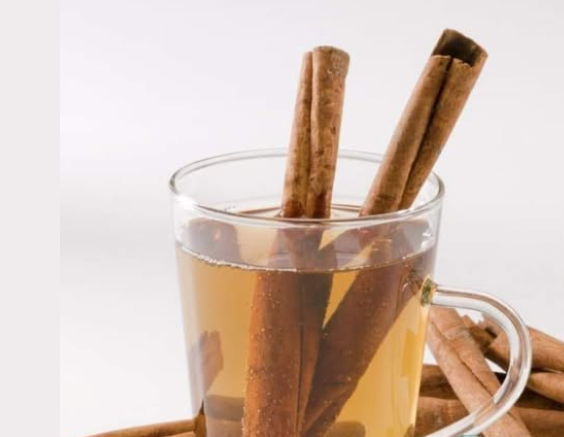
The image that inspires this topic shows cinnamon being prepared as a drink and linked to a bold health claim. That kind of message is common online because it captures attention quickly. But the responsible way to talk about cinnamon is different. Cinnamon deserves to be appreciated for what it truly offers: flavor, warmth, tradition, and potential supportive benefits as part of everyday self-care. It belongs in a conversation about gentle lifestyle support, not unrealistic rescue narratives.
There is also something powerful about reclaiming ingredients from sensationalism and bringing them back to common sense. Cinnamon does not need false promises to be interesting. Its story is already rich. It has traveled through ancient trade routes, culinary traditions, herbal practices, and modern nutrition conversations. It has been prized for its aroma, valued for its versatility, and explored for the plant compounds that make it distinctive. Few spices are as instantly recognizable or as emotionally resonant.
And perhaps that is part of why cinnamon tea continues to fascinate people. It offers more than taste. It offers ritual. The act of placing cinnamon sticks in hot water, waiting for the scent to rise, and sipping slowly can feel almost ceremonial. In a fast-moving world, that experience has its own kind of value. It reminds us that health is not only about numbers, symptoms, and outcomes. It is also about rhythm, comfort, attention, and the daily choices that shape how we live.
For older adults especially, warm beverages often become part of a broader routine of care. But the appeal of cinnamon tea stretches across generations. Some people drink it after meals. Others reach for it during cold weather, while working, or when they want a caffeine-free alternative to coffee. Some enjoy it because it feels soothing. Others simply love the taste. All of these reasons are valid. That is the beauty of a kitchen-based wellness habit. It does not have to be perfect to be meaningful.
Still, responsible wellness writing requires clarity. Cinnamon tea should not be described as a cure for sick kidneys. Kidney disease is serious, and anyone with kidney concerns should seek proper medical evaluation and follow professional care. A spice infusion cannot replace diagnosis, treatment, medications, or individualized dietary advice. What cinnamon tea can do is support an overall routine built on hydration, balance, and mindful living. That is not a small thing. In many cases, those basic habits are more useful than the dramatic claims people encounter online.
This article takes a grounded, practical look at cinnamon tea benefits through that balanced lens. We will explore what cinnamon actually is, why it has such a long cultural history, what compounds make it botanically interesting, and why people are talking about it again today. We will also discuss the realistic benefits people may get from enjoying cinnamon tea, traditional uses in different cultures, and the growing modern curiosity around spice-based wellness.
Most of all, this is a story about seeing a familiar ingredient with fresh eyes. Cinnamon is not a miracle. It is something better: a dependable spice with a comforting presence and a long history of making ordinary life feel richer. When brewed into tea, it becomes one of the simplest wellness rituals imaginable. Warm, fragrant, inexpensive, and easy to prepare, it invites us back to the basics.
And sometimes the basics are exactly where real well-being begins.
🍂 What Is Cinnamon, Really?
Cinnamon is one of the world’s most beloved spices, but many people know it only as a powder in a jar. In reality, cinnamon comes from the inner bark of trees belonging to the Cinnamomum genus. That bark is harvested, dried, and curled into the quills or sticks most people recognize. Ground cinnamon is simply the powdered form of those dried bark strips.
What makes cinnamon so distinctive is the combination of its sweet, woody, warm aroma and its slightly spicy depth. It feels both comforting and energetic at the same time. In tea, those characteristics become softer and more rounded. The drink carries a gentle heat and a scent that can transform a room before the first sip is taken.
There are also different types of cinnamon. The two most commonly discussed are Ceylon cinnamon and Cassia cinnamon. Ceylon cinnamon, sometimes called true cinnamon, is generally lighter, more delicate, and more complex in flavor. Cassia cinnamon is darker, stronger, and often more common in stores. Both are used in cooking and beverages, though people interested in regular use often pay more attention to the distinction for practical reasons we will return to later.
When people talk about cinnamon tea benefits, they are usually referring to a simple infusion made by simmering or steeping cinnamon sticks in hot water, sometimes with additions like ginger, lemon, cloves, or a touch of honey. This is a food-based drink, not a pharmaceutical product, and that perspective is essential. Its value lies in how it can support a healthy routine, not in replacing genuine medical care.
🌎 The Ancient Journey of Cinnamon Through Time
Long before cinnamon became a staple in home kitchens, it was a precious commodity. For centuries, it traveled through trade networks linking Asia, the Middle East, Africa, and Europe. Civilizations prized it not only for culinary use but also for its fragrance, symbolism, and role in traditional preparations. In ancient times, spices like cinnamon were treasured enough to signal wealth, hospitality, and sophistication.
This history helps explain why cinnamon feels larger than life even today. It has always carried a certain mystique. Its fragrance is vivid, its origin once seemed distant and exotic, and its presence in daily life felt special rather than ordinary. Spices were among the earliest examples of ingredients that crossed borders and reshaped food culture everywhere they went.
But cinnamon’s appeal was never only about luxury. In many traditions, warming spices were closely linked to comfort, digestion, and seasonal well-being. A cinnamon-based drink in colder months, for example, would not have been viewed merely as a pleasant indulgence. It was a practical way to add warmth, aroma, and sensory richness to daily life. In older household traditions, that mattered deeply.
Cinnamon also became woven into ceremonial life, festive food, and family memory. Few ingredients bridge the everyday and the special occasion as beautifully. It can belong equally to an ordinary cup of tea and a treasured holiday recipe. That dual role may be one reason people instinctively trust it. Cinnamon does not feel like a stranger. It feels like something that has always been there.
🌟 Why People Are Talking About Cinnamon Tea Again
The renewed attention around cinnamon tea comes from several cultural shifts happening at once. First, more people are searching for natural-feeling routines that do not depend on expensive products. A spice from the pantry feels more approachable than a complicated supplement stack. It also feels familiar and less intimidating.
Second, there is growing interest in warm, caffeine-free drinks. Many people are trying to reduce excess coffee, avoid sugary beverages, or create gentler evening routines. Cinnamon tea fits into that space perfectly. It is flavorful without being harsh, comforting without being heavy, and satisfying without needing much added sweetness.
Third, the modern wellness world is increasingly fascinated by functional ingredients. People want to know what herbs and spices do, not just how they taste. Cinnamon, with its strong aroma and long traditional use, naturally attracts attention in that kind of conversation. It is common enough to feel accessible but distinctive enough to feel purposeful.
Unfortunately, this rising interest also invites exaggeration. Online posts often turn cinnamon tea into a cure-all, linking it to blood sugar, fat loss, detox, kidney repair, or other sweeping claims without context. That kind of messaging may go viral, but it oversimplifies how the body works and creates false expectations. Realistic wellness content should do the opposite. It should help people understand where cinnamon tea truly shines.
And that is exactly where cinnamon becomes more appealing, not less. Stripped of hype, it emerges as a practical everyday drink that may support comfort, variety, and mindful living. In other words, it becomes believable again.
🧪 Key Compounds That Make Cinnamon So Interesting
Part of cinnamon’s appeal comes from the aromatic compounds within its bark. The best-known of these is cinnamaldehyde, the substance largely responsible for cinnamon’s signature smell and flavor. This compound has drawn attention in food science and plant research because it contributes so strongly to cinnamon’s distinctive character.
Cinnamon also contains polyphenols and other plant constituents that are often discussed in relation to antioxidant activity. Antioxidants are a broad and often misunderstood topic, but in simple terms, they are compounds that help the body manage ordinary oxidative processes. This is one reason plant-rich diets are so consistently associated with general wellness. Herbs and spices contribute to that bigger picture.
Cinnamon’s aroma matters too, not just its chemistry. Smell influences appetite, mood, memory, and the overall sensory experience of drinking tea. A warm cup of cinnamon tea engages more than the taste buds. It creates a full-body impression of comfort that can shape how the drink is experienced. In a wellness context, that sensory dimension should not be underestimated.
At the same time, it is important to stay practical. The presence of interesting plant compounds does not automatically mean a food becomes a cure. Cinnamon tea should be appreciated as a flavorful, potentially supportive drink, not a concentrated treatment. That balanced view keeps it useful.
💛 1. Cinnamon Tea May Encourage Better Hydration
One of the simplest and most realistic cinnamon tea benefits is that it can help people drink more fluid. This may sound obvious, but it matters more than many wellness trends admit. Hydration supports circulation, comfort, energy, digestion, and ordinary daily functioning. Yet many people struggle to drink enough water consistently, especially in colder weather when thirst cues may feel less obvious.
Cinnamon tea can make hydration more appealing because it adds aroma, warmth, and ritual without requiring sugar or caffeine. For people who find plain water boring, a naturally fragrant tea may be much easier to enjoy regularly. That alone can make it a meaningful addition to the day.
This is also one reason cinnamon tea often feels supportive in a broad wellness sense. It does not have to perform a dramatic miracle to be helpful. If it encourages someone to swap one more sugary drink for water-based herbal tea, that is already a positive change. Often the most useful health habits are the ones that work through substitution rather than intensity.
💛 2. It Can Be a Comforting Alternative to Sugary Beverages
Many people crave something flavorful, especially in the afternoon or evening. The easiest options are often sweetened drinks, dessert-style coffee beverages, or processed snacks paired with sweet tea. Cinnamon tea offers a different path. Because cinnamon naturally tastes rich and aromatic, it can feel satisfying even when unsweetened or only lightly sweetened.
That makes it an appealing option for people trying to reduce added sugar without feeling deprived. A hot drink that smells indulgent can satisfy a craving in a way plain hot water never could. This is one of cinnamon’s hidden strengths. It creates the impression of abundance through scent and warmth rather than through excess sweetness.
Over time, replacing sugar-heavy drinks with spiced tea may support a more balanced daily routine. The benefit is not magical. It is behavioral. But behavior is where many wellness gains are actually made.
💛 3. Cinnamon Tea Fits Beautifully Into a Calming Routine
Health is not only about what enters the body. It is also about the conditions in which daily life unfolds. Cinnamon tea can support a calming routine because it naturally slows people down. Brewing it takes a few minutes. Sipping it invites stillness. The aroma encourages a pause.
In a world built around constant stimulation, those pauses matter. They create breathing room between tasks, meals, and mental demands. A cup of cinnamon tea in the evening can mark the transition from work mode to rest mode. In the morning, it can create a gentler start for someone who wants warmth without immediate caffeine.
This calming effect may be one reason people feel drawn to cinnamon tea when life feels rushed or emotionally cluttered. The drink becomes more than a beverage. It becomes a cue: slow down, sit for a moment, breathe, and return to yourself.
💛 4. It May Support a More Mindful Relationship With Food
Because cinnamon is so strongly associated with warmth and nourishment, cinnamon tea can play an interesting role in appetite awareness and mindful eating. Drinking it before or after meals may help people move away from automatic snacking or emotionally driven eating patterns. The ritual introduces a pause, and that pause can create awareness.
For some, a cup of cinnamon tea after dinner helps signal that the meal is complete. For others, it works as a gentle bridge between meals, reducing the urge to reach mindlessly for highly processed snacks. This is not about restriction. It is about bringing more presence into everyday food decisions.
Mindful eating is often discussed in abstract language, but rituals make it concrete. Cinnamon tea is a simple example of how a sensory experience can influence the rhythm of a day in a positive way.
💛 5. The Aroma Alone Can Lift the Mood of a Space
Not every benefit needs to be framed in biochemical language. Some benefits are experiential, and they still matter. Cinnamon tea fills a room with warmth before it even reaches the lips. Its scent can make a kitchen feel welcoming, a work break feel more human, and a cold afternoon feel less dull.
That sensory uplift has value. It can improve how a person experiences their environment, and environment shapes behavior more than people often realize. A kitchen that smells like cinnamon invites slower, more intentional habits. It nudges the day in a different direction.
In wellness writing, there is sometimes too much pressure to quantify everything. But lived experience counts too. A drink that improves the atmosphere of your home and makes you want to care for yourself more gently is already doing meaningful work.
💛 6. Cinnamon Tea Can Be a Gentle Companion During Cold Weather
Cold days change what people crave. Iced drinks feel less appealing. Heavy comfort foods become more tempting. In that setting, cinnamon tea can serve as a lighter source of warmth and satisfaction. It feels substantial without being rich, and flavorful without being heavy.
This may help people create more balance during seasons when routines tend to drift toward less movement and heavier eating. A spiced tea is not a punishment. It is a pleasure. That makes it easier to sustain. Instead of forcing wellness through denial, cinnamon tea adds comfort in a way that supports better choices naturally.
💛 7. It May Pair Well With Digestive-Friendly Habits
Cinnamon tea is often enjoyed after meals, and that timing is part of its appeal. The warmth of a tea ritual can help people slow down after eating instead of immediately returning to stress, screens, or extra snacking. Used this way, cinnamon tea becomes a supportive habit within a broader digestive-friendly routine.
This does not mean cinnamon tea should be presented as a treatment for digestive disease. It simply means it can complement habits that help people feel lighter and more settled, such as mindful eating, smaller late-night meals, and gentle post-meal movement. Sometimes the best supportive habits are the ones that help structure behavior rather than directly “fix” the body.
💛 8. It Offers a Caffeine-Free Option With Personality
One reason cinnamon tea stands out among herbal drinks is that it has personality. Some caffeine-free beverages taste faint or forgettable. Cinnamon tea does not. It has depth, character, and presence. That makes it easier for people to embrace when they are trying to reduce coffee or diversify their drink choices.
This can be especially helpful for those who enjoy having something warm in hand throughout the day. Replacing every cup of coffee with plain hot water is unlikely to feel satisfying. Replacing one of them with aromatic cinnamon tea may be much more realistic.
💛 9. It Connects Wellness to Familiar, Affordable Ingredients
Modern wellness can feel financially exhausting. Specialty powders, premium tonics, and branded supplements often create the illusion that better health must be expensive. Cinnamon quietly challenges that narrative. It is familiar, accessible, and relatively inexpensive. For many people, it is already in the kitchen.
That matters because sustainable habits need to fit ordinary life. A wellness practice based on cinnamon tea can be repeated without much cost or complexity. It lowers the barrier to entry. It says health support can begin with what you already have, not only with what you buy next.
💛 10. It Encourages Ritual, and Ritual Has Real Value
Perhaps the deepest benefit of cinnamon tea is not any single nutritional attribute, but the ritual it creates. Ritual shapes days. It marks transitions. It brings structure to care. When a person regularly brews cinnamon tea, they are doing more than preparing a drink. They are making space for a small act of attention.
That may sound humble, but humble acts are often the ones that endure. A morning cup, an evening mug, a mid-afternoon pause, a weekend moment in the kitchen—these are the places where wellness becomes real. Cinnamon tea belongs naturally in those moments.
🌍 Traditional Uses of Cinnamon in Different Cultures
Cinnamon has been embraced across countless culinary and traditional systems, and its uses reveal how versatile it truly is. In South Asian traditions, cinnamon often appears in warming spice blends and simmered beverages. In Middle Eastern and North African kitchens, it moves between sweet and savory dishes with ease, adding depth to tea, stews, rice, and desserts. In parts of Europe and the Americas, it has become synonymous with baking, festive drinks, and cold-weather comfort.
This cross-cultural presence is important because it reminds us that cinnamon was never confined to one narrow purpose. It has long been used to bring warmth, aroma, and a sense of richness to food and drink. In many households, a cinnamon-based drink was less about targeting a specific medical condition and more about creating comfort, hospitality, and seasonal balance.
That is a wiser frame for modern wellness too. Cinnamon’s traditional value lies partly in the way it enhances ordinary life. It turns simple ingredients into something memorable. It makes humble rituals feel special. That alone explains much of its enduring popularity.
🔬 Modern Scientific Interest in Cinnamon
Modern research has explored cinnamon in several contexts, especially its plant compounds and food chemistry. Scientists are interested in how cinnamon behaves in laboratory settings, how its aromatic compounds function, and how it interacts with broader dietary patterns. This interest helps explain why cinnamon is repeatedly discussed in nutrition and wellness content.
Still, it is essential to interpret such interest responsibly. Laboratory studies, isolated compounds, and concentrated extracts are not the same as drinking a homemade cup of cinnamon tea. The gap between study conditions and everyday use is real. Overstating what a spice can do helps nobody.
A more grounded takeaway is this: cinnamon is an active, aromatic plant ingredient with a long history of human use and meaningful sensory properties. It belongs in the conversation about supportive dietary habits. It does not belong in the category of miracle claims.
And that grounded perspective makes the next question even more practical. If cinnamon tea is best understood as a supportive daily habit, how exactly should it be prepared, enjoyed, and integrated into real life?