🌿 Turmeric, Ginger, Cinnamon, Lemon Juice, and Raw Honey
There is something almost irresistible about a remedy made from ingredients people already know. Turmeric glows with that unmistakable golden color. Ginger brings warmth and sharpness. Cinnamon smells like comfort. Lemon juice adds brightness. Raw honey softens the edges and turns everything into something that feels less like a formula and more like a ritual. Put them together, and the result sounds like the kind of old-world wellness secret that should have been passed down in a family kitchen, whispered over a steaming cup on a cold morning.
That is exactly why this combination keeps coming back into the conversation. It feels familiar, affordable, and deeply human. In a world crowded with capsules, powders, and complicated “biohacks,” a spoon, a mug, and a few pantry staples seem almost radical in their simplicity. People are drawn to that simplicity for a reason. They want wellness practices that feel less manufactured and more rooted in daily life. They want habits they can remember, enjoy, and keep.
But this is also where reality needs to meet curiosity. A drink or paste made with turmeric, ginger, cinnamon, lemon juice, and raw honey is not a miracle cure. It is not a substitute for medical treatment. It is not proof that everything natural is automatically safe or effective. Still, there are solid reasons why these ingredients continue to attract scientific interest. Turmeric and its best-known compound, curcumin, have been widely studied for antioxidant and anti-inflammatory effects, even though evidence for many clinical uses remains incomplete and safety still matters, especially with high-dose supplements. (NCCIH) Ginger has a long research history around nausea and digestive comfort, but it can also cause side effects like heartburn or stomach upset in some people. (NCCIH) Cinnamon is beloved, but some types can contain notable amounts of coumarin, a compound linked to liver toxicity at excessive intake. (PMC) Lemon juice contributes vitamin C, and honey has a long culinary and traditional-care history, though honey should never be given to infants under 12 months because of botulism risk. (nal.usda.gov)
So why are people still captivated by this blend? Because it sits in a rare sweet spot. It tastes vivid. It feels intentional. It offers aroma, warmth, brightness, and a sense of doing something good for yourself. Even before you get to the science, that matters. Ritual changes behavior. Behavior shapes habits. And habits, over time, are often more powerful than any single ingredient.
🍯 What This Combination Really Is
At its simplest, this is a traditional-style wellness blend built from spices, citrus, and honey. Sometimes people stir it into warm water. Sometimes they make it as a morning tonic. Sometimes they use it as a spoonable mixture during colder months. Sometimes it becomes part of a broader routine centered on comfort, digestion, and seasonal self-care.
Each ingredient contributes something different. Turmeric brings earthy bitterness and its well-known golden pigment. Ginger adds heat and liveliness. Cinnamon rounds the flavor into something softer and more inviting. Lemon juice cuts through the heaviness with acidity and brightness. Raw honey binds the mixture together, making it smoother and easier to enjoy.
This is one reason the combination has lasted. It is not built on one note. It is layered. It feels complete. If one ingredient alone seems too harsh, too sour, or too sharp, the others balance it. The result tastes like a recipe that evolved naturally over time because people kept coming back to it.
🌎 The Long Tradition Behind Kitchen Remedies
Long before wellness became a market category, people built household care around what they had nearby. Spices were not just flavoring agents. They were precious, practical, and symbolic. Citrus was valued for freshness and brightness. Honey carried a reputation for nourishment and preservation. Across South Asia, the Middle East, North Africa, the Mediterranean, and many other regions, households developed their own versions of warming drinks, soothing preparations, and seasonal rituals centered on familiar ingredients.
Turmeric in particular has deep roots in Ayurvedic traditions and folk uses across South Asia, where it has long been associated with everyday health practices and ritual care. (CENIB) Ginger has similarly broad traditional use in Asian medicine and household remedies for stomach discomfort, nausea, and general warming support. (NCCIH) Cinnamon has traveled through culinary and medicinal traditions for centuries, often valued as much for its fragrance and preservation qualities as for its taste. Honey appears in countless food and home-care traditions worldwide, which helps explain why a blend like this feels so intuitive even now. (CDC)
The most important thing about these traditions is not that they prove modern medical claims. They do not. Their value is that they reveal how people have always used food and herbs as part of daily care. They remind us that wellness did not begin with branded powders or influencer routines. It began in kitchens.
✨ Why People Are Talking About It Again
The return of this blend says a lot about the current wellness moment. People want fewer ingredients, not more. They want comfort without feeling lazy. They want routines that feel ancient enough to trust but modern enough to understand. And they want something that sounds better than swallowing another supplement.
Social media has amplified the popularity of turmeric-ginger-honey drinks, immunity shots, and “golden” home tonics, but the deeper reason for the trend is more personal. Many people are trying to rebuild daily rituals that are calming, affordable, and sustainable. A homemade spice blend answers that desire better than an overcomplicated regimen.
There is also the language of modern nutrition and phytochemistry. People hear that turmeric contains curcumin, that ginger contains pungent compounds like gingerols and shogaols, that cinnamon contains polyphenols and aromatic oils, that lemons offer vitamin C, and that honey includes naturally occurring sugars and trace components. Those facts make the mixture sound not just traditional, but intellectually interesting. Yet the smartest way to approach the blend is to let curiosity stay grounded. Interesting chemistry is not the same as guaranteed health outcomes. (PMC)
🧪 The Key Compounds Inside the Ingredients
Turmeric’s star compound is curcumin, a polyphenol that has been heavily researched for antioxidant and anti-inflammatory properties. Scientists have explored curcumin in relation to a wide range of conditions, but official guidance remains cautious because evidence is mixed and product formulations vary a lot. Some turmeric or curcumin products appear likely safe for short-term use in recommended amounts, while certain enhanced-bioavailability products have been associated with liver injury in some people. (NCCIH)
Ginger contains pungent compounds including gingerols and shogaols, which are part of what give fresh and dried ginger their distinctive bite. Modern reviews and official summaries continue to discuss ginger most credibly in relation to nausea and digestive support, while also noting mild side effects such as heartburn, abdominal discomfort, diarrhea, and mouth or throat irritation. (NCCIH)
Cinnamon contains aromatic compounds and polyphenols, but the safety conversation matters here. Cassia cinnamon, the common inexpensive cinnamon in many stores, can contain more coumarin than Ceylon cinnamon. Excessive coumarin intake has been linked to liver toxicity concerns, which is why “a lot” is not automatically better when it comes to cinnamon-heavy daily habits. (PMC)
Lemon juice contributes acidity, flavor, and vitamin C. USDA nutrient references list raw lemon juice as a meaningful source of vitamin C, which is one reason citrus keeps appearing in wellness recipes and morning drinks. (nal.usda.gov)
Honey is mainly a natural sweetener, but it also carries a traditional soothing reputation that explains why it shows up so often in comfort drinks and homemade seasonal remedies. The raw part is often marketed heavily, though in practical terms the key safety point is simple and nonnegotiable: honey should not be given to children under 12 months because of botulism risk. (CDC)
💛 Benefit 1: It Can Turn Wellness Into a Habit You Actually Keep
The first benefit is not biochemical. It is behavioral. A blend like this is easy enough to become a repeat ritual. That matters because the most effective health practices are often the ones people can maintain without friction. A bright, warm mixture that tastes good has a better chance of lasting in someone’s life than a routine that feels like punishment.
This is part of why kitchen remedies remain powerful. They lower the barrier between intention and action. You do not need a special program. You need a mug, a spoon, and a few minutes. The ritual itself becomes valuable.
🫚 Benefit 2: Ginger Gives the Blend Its Digestive Reputation
Among the five ingredients, ginger probably has one of the clearest modern reputations. Official NIH material notes ginger’s use and study for nausea, and broader research reviews continue to discuss it as a well-known option for reducing nausea and vomiting in some settings. (NCCIH) That does not mean every ginger drink works the same way for every person, but it helps explain why this ingredient has endured for centuries.
In the context of this blend, ginger often gives the whole recipe a purposeful feeling. It is the ingredient that makes the mixture feel active rather than decorative. It adds warmth, sharpness, and that unmistakable sense that the drink is doing more than tasting pleasant.
🌟 Benefit 3: Turmeric Adds Antioxidant Interest
Turmeric gives this blend its identity. Without it, the mixture would still be pleasant, but it would not have the same visual and symbolic power. Curcumin has been studied extensively for antioxidant and anti-inflammatory effects, which is one reason turmeric remains central in modern wellness culture. (PMC)
Still, a wise reader should separate three things: traditional use, laboratory promise, and proven clinical benefit. Those are not the same. Turmeric is fascinating. It may be useful in certain contexts. But a homemade turmeric drink is best appreciated as part of an overall wellness pattern, not as a shortcut to guaranteed health transformation. (NCCIH)
🍋 Benefit 4: Lemon Juice Brings Brightness and Vitamin C
There is a reason lemon changes the entire profile of this blend. It cuts through the weight of turmeric and honey and keeps the drink from feeling flat. Nutritionally, lemon juice contributes vitamin C, which is one more reason people perceive the mixture as fresh and supportive. (nal.usda.gov)
But lemon’s biggest gift might be sensory rather than dramatic. It makes the remedy feel alive. That matters more than it sounds. People return to flavors that feel clean and energizing. Lemon does that instantly.
🍯 Benefit 5: Raw Honey Makes the Remedy Feel Soothing
Honey is often the ingredient that wins people over. It smooths turmeric’s bitterness, softens ginger’s bite, and rounds out lemon’s acidity. It also brings a comforting reputation that has made it a household favorite for generations.
The key here is not to exaggerate. Honey is not a cure-all. It is still a sugar-rich food. But in the context of this blend, it improves palatability and makes the ritual enjoyable enough to repeat. That alone can be valuable. The main safety caveat remains clear: never give honey to infants younger than one year. (CDC)
🍂 Benefit 6: Cinnamon Makes the Blend Feel Complete
Cinnamon does something subtle but essential. It bridges the gap between medicinal and comforting. Without cinnamon, the mixture can taste too sharp. With it, the drink feels fuller, softer, and more familiar. That matters because taste drives consistency.
There is also a nutritional and phytochemical conversation around cinnamon, but the more useful everyday point is moderation. Because coumarin content can be a concern, especially in cassia cinnamon, the smartest use is steady and moderate rather than heavy-handed. (PMC)
🔥 Benefit 7: The Blend Feels Warming and Restorative
This benefit is partly sensory and partly emotional. A warm drink made with ginger, cinnamon, turmeric, lemon, and honey has the kind of profile many people naturally associate with comfort. It feels seasonal. It feels grounding. It can mark the difference between rushing through the day and pausing for a small act of self-care.
That feeling is not fake or trivial. Many healthy routines succeed because they attach care to pleasure. A ritual that feels warm and restorative is easier to keep.
🕰️ Benefit 8: It Encourages Slower Mornings or Calmer Evenings
Some people use this mixture first thing in the morning because it feels cleansing and motivating. Others prefer it later in the day as a winding-down ritual. Either way, the bigger benefit may be the space it creates. Instead of starting the day with chaos or ending it with mindless snacking, the blend introduces a pause.
Health routines often improve life not only because of the ingredients involved, but because they create a structured moment of awareness. This blend does that very well.
🌍 Benefit 9: It Connects Modern Wellness to Traditional Knowledge
One reason this remedy has emotional depth is that it does not feel invented by a trend cycle. It feels inherited. Turmeric, ginger, cinnamon, lemon, and honey each carry long cultural histories, and together they create a recipe that feels bigger than any one brand or wellness claim. (CENIB)
That cultural continuity matters. People often trust remedies more when they feel woven into human history. The smartest approach is not blind trust, but respectful curiosity. Tradition tells us what people valued. Science helps test what may or may not hold up.
🔬 What Modern Research Suggests Without the Hype
Modern research gives this blend credibility, but not magic. Turmeric and curcumin are genuinely active research topics, with studies exploring inflammation, oxidative stress, and a range of disease-related outcomes. Yet official guidance still emphasizes that evidence is incomplete and that safety depends on formulation and dose. (NCCIH)
Ginger’s evidence base is stronger in certain digestive and nausea-related contexts than in many of the broader claims often made online. (NCCIH) Cinnamon research is promising in places but complicated by product variability and safety considerations tied to coumarin. (PMC) Lemon juice contributes nutrients, but it is not a miracle detoxifier. Honey may be soothing and practical in traditional use, but it should still be consumed thoughtfully, especially by people monitoring sugar intake. (nal.usda.gov)
The most honest scientific summary is this: the ingredients are interesting, plausible, and in some cases reasonably supported for specific uses, but the blend works best as a supportive lifestyle ritual rather than a dramatic intervention.
🌿 Traditional Uses Across Cultures
In many homes, ingredients like these were not isolated into separate “health claims.” They were used because they made sense together. Turmeric might appear in milk, broths, or warming foods. Ginger might be steeped as tea. Cinnamon might flavor both medicine-like drinks and celebratory desserts. Lemon could freshen, sharpen, and preserve. Honey could soothe and bind.
This is one reason the combination feels so natural. It reflects the old household logic that good care should be practical, sensory, and repeatable. You did not need a label to know a warm, aromatic drink felt supportive. You only needed experience.
💫 The Curiosity That Keeps People Coming Back
The biggest reason this remedy has lasted may be that it feels like more than the sum of its parts. It is food, but also ritual. It is simple, but also symbolic. It is old, but still feels timely. And most importantly, it asks something rare of modern wellness: not that you buy more, but that you pay more attention.
That is where the second half becomes useful. Because once the story and science are clear, the next question is practical. How do you make it well? How much should you use? How often is sensible? What mistakes should you avoid? And how do you keep the ritual gentle, realistic, and safe enough to fit into real life without turning it into another health obsession?
☕ How to Prepare Turmeric, Ginger, Cinnamon, Lemon Juice, and Raw Honey
The best version of this remedy is usually the simplest one. You do not need an elaborate method or rare ingredients. You just need to understand balance. Too much turmeric can make the drink muddy and hard to enjoy. Too much ginger can overwhelm the stomach. Too much cinnamon can become a safety issue if it turns into a daily excess, especially if you are using cassia cinnamon. Too much lemon can make the mixture harsh. Too much honey can transform a wellness ritual into a sugar-heavy habit. (PMC)
A practical starting recipe is this: warm water, a small amount of turmeric, a little fresh grated ginger or ginger powder, a light pinch of cinnamon, fresh lemon juice, and a spoon of raw honey stirred in after the drink is no longer very hot. People often prefer adding honey once the liquid has cooled somewhat simply because it preserves the flavor better and makes the drink more pleasant to sip.
This is not a pharmaceutical formula. It is a home ritual. The goal is not precision down to the milligram. The goal is a balanced drink that feels vivid, warm, and easy to repeat.
🫖 Step-by-Step Method for a Simple Daily Cup
Start with one cup of warm, not boiling, water. Add about half a teaspoon of turmeric powder. Then add a small amount of grated fresh ginger or a quarter teaspoon of ginger powder. Add a small pinch of cinnamon. Stir the mixture well and let it sit briefly so the spices settle and soften. Squeeze in fresh lemon juice to taste. Once the drink is warm rather than hot, stir in a teaspoon of raw honey.
Sip slowly instead of drinking it all at once.
That last part matters. This blend often works best as a ritual rather than a shot. A slow cup feels different from a rushed swallow. It gives the spices time to register, the warmth time to settle, and the whole experience time to become part of your day.
🍵 A Stronger Infusion for Colder Days
Some people prefer simmering the ingredients instead of simply stirring them into warm water. In that version, fresh ginger slices can be simmered briefly with water and cinnamon first. Turmeric can be added during the simmer or just after. Lemon juice and honey are then added later, off the heat or once the liquid is cooler.
This method usually creates a deeper flavor and a more comforting aroma. It also makes the ritual feel more intentional, almost like a tiny ceremony in the kitchen. The downside is that it takes more time, which is why many people save it for evenings, weekends, or colder seasons.
🥄 A Spoonable Honey Blend
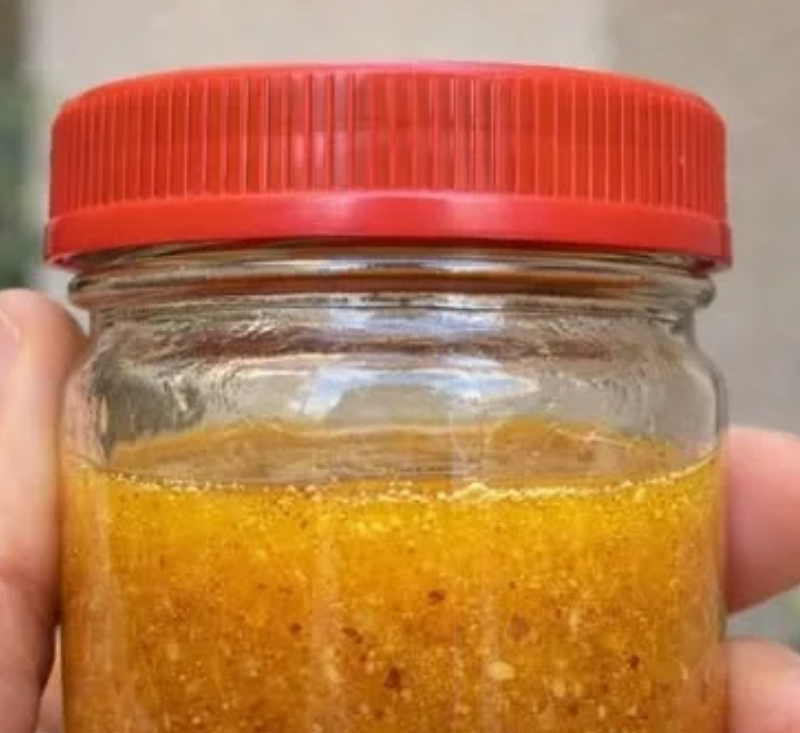
Another common version is a concentrated mixture that can be kept in the refrigerator briefly and used by the spoonful. People combine raw honey with turmeric, ginger, cinnamon, and a little lemon juice into a thick paste, then stir a spoonful into warm water when needed.
This method is convenient, but moderation matters even more because honey becomes the main base. It is easy for a “wellness spoon” to become much sweeter and more frequent than intended. A little goes a long way.
🌅 Best Time to Use It
There is no single perfect time. Morning works well for people who want a bright, warming start without too much heaviness. The lemon and ginger profile can feel refreshing, and the routine can serve as a gentle transition into the day.
Evening works well for people who want comfort and softness. A warm mug of this blend can mark the end of work and the beginning of rest. Because ritual is such a big part of the appeal, the best time is often simply the time you can repeat consistently without stress.
🗓️ Best Daily and Weekly Routine
The smartest routine is usually modest. A small serving once a day is more sensible than several strong servings. For some people, a few times a week may be plenty. This is especially true if they are sensitive to spicy ingredients, prone to reflux, or already consuming other spice-based products.
A healthy pattern might be to use the blend in lighter doses during busier weeks and reserve a more elaborate simmered version for slower days. That keeps the habit enjoyable instead of mechanical. The ritual should fit your life, not dominate it.
🌞 Additional Wellness Benefits Beyond the Ingredients
One of the most overlooked strengths of this blend is how it shapes the moment around it. Making the drink often means standing still for a few minutes, inhaling warm spice aromas, and choosing intention over speed. That can have a real effect on daily behavior.
People who make a simple wellness drink at home may also be more likely to drink more water, prepare breakfast instead of skipping it, reduce reliance on heavily sweetened beverages, and become more aware of how their body responds to different foods. Those changes can matter more than the blend itself.
In other words, the ritual may create a healthier lifestyle pattern even when the drink is not doing anything dramatic on its own.
🥗 Practical Lifestyle Tips That Make This Blend More Useful
Use this remedy as part of a bigger pattern, not a replacement for one. Eat balanced meals. Sleep enough. Stay hydrated. Move your body. Treat this blend as a supportive detail rather than the center of your health strategy.
Pair it with habits that actually improve your day. Drink it before a short walk. Use it while journaling or reading. Make it the thing that helps you pause before checking your phone. Attach the remedy to calm, not chaos.
Also, be honest about what you want from it. If you mostly enjoy the taste and ritual, that is already enough. Not every wellness practice needs to justify itself with exaggerated claims.
🍋 Easy Home Tips to Improve the Taste
Fresh ginger usually tastes brighter than powder. Fresh lemon juice is almost always better than bottled for flavor. If turmeric tastes too earthy, reduce it slightly before adding more honey. If the drink feels too sharp, a little more warm water often works better than extra sweetness. If cinnamon dominates, use less rather than trying to fix the balance afterward.
The best version is the one you can enjoy consistently without needing to “force” it. Wellness routines that feel like punishment rarely last.
⚠️ Common Mistakes People Should Avoid
One of the biggest mistakes is turning a comforting blend into a megadose habit. More turmeric does not guarantee more benefit. More ginger can mean more digestive discomfort. More cinnamon can mean more coumarin exposure if you are using cassia cinnamon. More lemon can irritate the mouth or stomach. More honey can make the drink far sweeter than intended. (NCCIH)
Another mistake is confusing food-style use with supplement-style use. There is a huge difference between enjoying these ingredients in a moderate homemade drink and taking concentrated extracts or enhanced formulations. This difference matters especially for turmeric, where some higher-bioavailability products have been associated with liver injury in certain cases. (NCCIH)
A third mistake is using the blend to “replace” meals, sleep, hydration, or medical care. It is supportive, not foundational. It should never become the excuse for skipping the basics.
🚫 Safety Notes and Precautions
This remedy is usually most appropriate in moderate food-like amounts, not aggressive medicinal ones. People with gallbladder issues, liver concerns, reflux, digestive sensitivity, bleeding disorders, or those taking medications should be more careful with spice-heavy routines and should talk with a qualified health professional when needed. NIH guidance on ginger notes that herbs can interact with medicines, and turmeric guidance highlights side effects and liver safety concerns with some products. (NCCIH)
Cinnamon deserves special attention because coumarin content can vary a lot by type. Cassia cinnamon tends to contain more coumarin than Ceylon cinnamon, so people planning frequent use often prefer moderation at minimum and sometimes choose Ceylon for that reason. (PMC)
Lemon juice can feel harsh for people with sensitive teeth, mouth irritation, or acid reflux. Honey should not be given to infants under one year old under any circumstances because of botulism risk. (CDC)
This is also not a detox cure, not an immunity guarantee, and not a treatment plan. If symptoms are persistent, unusual, or worsening, real medical advice matters more than any homemade blend.
🌿 Can You Add Other Ingredients?
People often add black pepper, cloves, apple cider vinegar, or warm milk alternatives. Black pepper is commonly included with turmeric because piperine is known to increase curcumin bioavailability, but that also means it may affect how substances are absorbed and could change tolerability for some people. Since safety and interactions can get more complicated as the recipe grows, the simplest version is often the smartest starting point.
The more ingredients you add, the harder it becomes to know what is helping, what is irritating, and what is simply making the recipe trendier without making it better.
❓ Frequently Asked Questions
🌟 Is it safe to drink turmeric, ginger, cinnamon, lemon juice, and raw honey every day?
For many healthy adults, small food-like amounts may fit comfortably into a daily routine, but daily use should still stay moderate. Official safety information for turmeric and ginger notes that side effects and medication interactions are possible, and cinnamon deserves caution because of coumarin intake, especially with cassia cinnamon. (NCCIH) If you have a health condition or take medication, daily use is worth discussing with a clinician.
🍯 Does raw honey make it healthier than regular honey?
“Raw” is often treated like a wellness badge, but in practice the biggest differences people notice are usually flavor and texture. The more important safety point is that all honey, including raw honey, should be avoided in infants under 12 months because of botulism risk. (CDC) For most adults, the best honey is often simply the one used moderately.
🫚 Will this blend help digestion?
Ginger is the ingredient with the clearest digestive reputation, especially around nausea-related use. (NCCIH) That said, people respond differently. Some may find the blend settling, while others with reflux or sensitivity may find the spices too stimulating. Start gently and pay attention to your own response.
💛 Can this replace turmeric or ginger supplements?
Not really. A homemade drink uses culinary amounts and behaves like food. Supplements can deliver much larger or more concentrated doses and come with different safety considerations. This is one reason homemade blends may feel gentler, but it also means they should not be treated as equivalent to supplement-based treatment approaches. (NCCIH)
🍂 Which cinnamon is better for frequent use?
Many people prefer Ceylon cinnamon for frequent use because cassia cinnamon generally contains more coumarin, the compound linked to liver toxicity concerns at higher intakes. (PMC) If you are using cinnamon regularly, moderation still matters either way.
🍋 Can I drink it on an empty stomach?
Some people enjoy it first thing in the morning, but not everyone tolerates that well. Lemon juice, ginger, and spices can feel sharp on an empty stomach for some individuals. A good middle ground is to start with a milder version or drink it alongside or after a light meal.
☕ Should the water be boiling hot?
Usually no. Very hot water can make the drink less pleasant to sip, and many people prefer adding honey after the drink cools a bit. Warm is usually enough to blend the ingredients well and keep the ritual comfortable.
🧡 Can kids have this mixture?
For older children, very small food-style amounts may sometimes be used in family recipes, but strong spice blends are not ideal for everyone, and honey must never be given to infants under 12 months. (CDC) When in doubt, simpler is better.
🌙 Is it better in the morning or at night?
Neither time is objectively best. Morning suits people who want a bright, energizing ritual. Night suits people who want warmth and comfort. The best time is the one that supports consistency and feels good in your body.
✨ The Expert-Style Conclusion
Turmeric, ginger, cinnamon, lemon juice, and raw honey have captured people’s attention for a very understandable reason. Together, they create a remedy that feels both ancient and current, both practical and almost ceremonial. The aroma alone can change the mood of a kitchen. The first sip can make an ordinary day feel more intentional. And in a wellness culture that often overpromises, there is something refreshing about a habit built from ingredients you can recognize without needing a glossary.
The real strength of this blend is not that it performs miracles. It is that it invites moderation, rhythm, and attention. Turmeric contributes antioxidant curiosity and a deep traditional legacy. Ginger brings one of the most credible modern reputations in the mix, especially in digestive contexts. Cinnamon adds familiarity and warmth, though it deserves sensible use. Lemon gives brightness and vitamin C. Honey brings the softness that makes the whole experience repeatable. (NCCIH)
And maybe that is the most important lesson of all: the best wellness rituals are often the ones that do not try too hard. They are simple enough to keep, pleasurable enough to repeat, and grounded enough not to become fantasy. A warm cup made with turmeric, ginger, cinnamon, lemon juice, and raw honey can absolutely belong in that category. Not as a cure-all. Not as a substitute for treatment. But as a thoughtful, flavorful, time-tested ritual that supports a calmer, more connected approach to daily care.
Use it gently. Keep the portions modest. Respect the safety notes. Let the blend support the rest of your healthy habits rather than overshadow them. If you do that, this humble pantry remedy can become exactly what many people are truly searching for: not a miracle, but a meaningful routine that feels good to live with.