🌺 Health Benefits of Hibiscus Flower (Zobo)
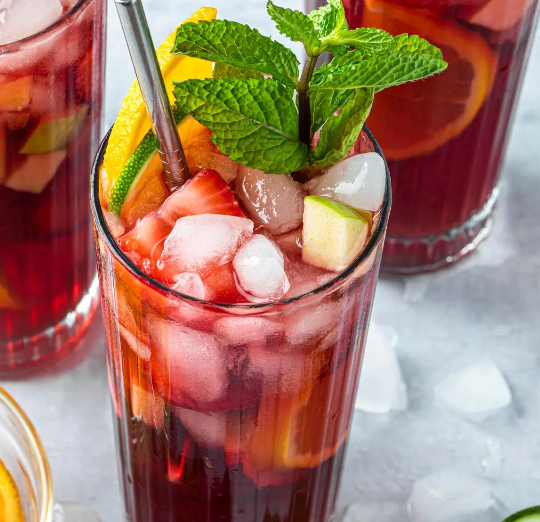
There is something unforgettable about hibiscus. Before you even learn anything about its nutrition or traditional uses, it catches your attention with color alone. Deep ruby. Bright crimson. Sometimes almost wine-dark in the glass. It looks festive, medicinal, refreshing, and luxurious all at once. And in many homes, especially across West Africa, the Caribbean, Latin America, North Africa, and parts of Asia, hibiscus is not a trend at all. It is already familiar. It is the drink served cold on a hot day, the homemade brew prepared for guests, the market favorite, the bright herbal infusion that somehow feels both simple and special.
In Nigeria and across parts of West Africa, many people know it as zobo. In other places, it appears as bissap, karkadé, flor de Jamaica, or roselle tea. Different names, same magnetic appeal. And once people begin hearing that hibiscus may support heart health, blood pressure, antioxidant intake, and general wellness, the curiosity grows even stronger. How can one flower do so much? Is zobo really healthy? Is it just a refreshing drink, or is it something more?
That question is exactly why hibiscus keeps coming back into wellness conversations. It sits at the crossroads of tradition and science. On one side, there is the lived experience of generations who have brewed it, shared it, and trusted it as part of everyday life. On the other side, there is growing research interest in Hibiscus sabdariffa, especially around blood pressure, cardiometabolic markers, and the plant’s rich supply of anthocyanins and polyphenols. A 2022 systematic review and meta-analysis found that hibiscus consumption significantly reduced systolic and diastolic blood pressure compared with placebo in chronic trials, though the researchers also noted that more work is needed on dose and long-term effects. (PMC)
That balance is important. Hibiscus is promising. Hibiscus is interesting. Hibiscus is deeply worth exploring. But hibiscus is not magic, and zobo is not a replacement for medical care. The most useful way to understand it is as a nutrient-light but phytochemical-rich herbal drink with a serious traditional reputation and some meaningful modern evidence behind specific benefits, especially cardiovascular support. USDA data also show that plain brewed hibiscus tea is essentially calorie-free when unsweetened, which makes it attractive for people who want a flavorful drink without sugar, as long as they do not load it up with sweeteners afterward. (FoodData Central)
🌿 What Exactly Is Hibiscus Flower or Zobo?
When people talk about hibiscus for health, they are usually referring to Hibiscus sabdariffa, often called roselle. The part commonly used in drinks is the calyx, the fleshy red structure around the flower, not the showy petals people usually imagine first. Scientific reviews describe Hibiscus sabdariffa calyxes as rich in organic acids, anthocyanins, and other phenolic compounds, which helps explain both the tart taste and the deep red color. (PMC)
That chemistry matters because color in plants often hints at bioactive compounds. In hibiscus, the dramatic red tone is closely linked to anthocyanins, the same broad family of pigments that also appear in berries and other richly colored plant foods. These compounds are part of why hibiscus is repeatedly discussed for antioxidant properties. Reviews on Hibiscus sabdariffa describe its polyphenols and anthocyanins as key contributors to the plant’s physiological effects and research interest. (PMC)
For everyday readers, the simplest way to think about zobo is this: it is a tart herbal infusion made from the dried red calyxes of hibiscus, and its popularity comes from three things at once. It tastes refreshing. It feels traditional. And it contains plant compounds that scientists have found worth studying.
🌍 The Long History Behind Hibiscus Drinks
One reason hibiscus feels so trustworthy to so many people is that it has never been just one culture’s secret. It has traveled. It has settled into different cuisines, ceremonies, seasons, and social habits. In Nigeria, zobo is deeply woven into daily life and hospitality. In Senegal and neighboring countries, bissap is a beloved drink with its own identity and preparation styles. In Egypt and Sudan, karkadé is both everyday and ceremonial. In Mexico and Central America, agua de Jamaica is a classic refreshment known for its vibrant flavor. These traditions developed independently enough to tell us something powerful: hibiscus keeps earning a place at the table.
Scientific and historical reviews also reflect this broad traditional use. Hibiscus sabdariffa has long been used in foods, drinks, and folk practices across multiple regions, especially as infusions or decoctions. (PMC) That kind of cross-cultural persistence does not prove every modern health claim, but it does suggest that hibiscus was valued not only because it looked pretty, but because people found it useful, enjoyable, and worth repeating.
🍷 Why People Are Talking About Hibiscus Again
The renewed interest in zobo today is not hard to understand. People are actively looking for drinks that feel healthier than soda, more interesting than plain water, and less dependent on caffeine than coffee or black tea. Hibiscus fits beautifully into that search. It is naturally caffeine-free, intensely flavorful, and striking enough to feel indulgent even without much added sugar. Cleveland Clinic notes hibiscus is generally considered safe in food amounts and highlights its appeal as a refreshing herbal beverage, while also cautioning about medication interactions and high-dose use. (Cleveland Clinic)
There is also the language of modern wellness. Words like antioxidants, polyphenols, plant compounds, heart support, and blood pressure naturally pull attention. Hibiscus benefits from this shift because it genuinely has a stronger evidence base than many herbs promoted online with little support. The best evidence is still not unlimited, but it is enough to justify serious interest, especially around cardiovascular markers. A 2022 systematic review found significant reductions in blood pressure with hibiscus compared with placebo, though it did not find significant effects for fasting blood glucose in the chronic trials analyzed. (PMC)
That last point matters because it keeps the conversation honest. Hibiscus may be helpful in some areas without needing to be framed as the answer to everything.
🧪 The Key Compounds Inside Hibiscus
To understand the health benefits of hibiscus flower, it helps to know what gives zobo its power. Hibiscus calyxes contain anthocyanins, phenolic acids, flavonoids, and organic acids. Reviews on Hibiscus sabdariffa repeatedly identify these compounds as central to its antioxidant potential and physiological effects. (PMC)
Anthocyanins are especially important because they contribute both color and antioxidant activity. Polyphenols are often discussed for their ability to help counter oxidative stress in laboratory and food science settings, though that does not mean every antioxidant-rich food has dramatic clinical effects on its own. What it does mean is that hibiscus has a credible reason for being in the conversation whenever people talk about plant-based wellness.
Organic acids also help explain the tart, almost cranberry-like flavor of zobo. That sourness is not just a taste feature. It is part of the plant’s identity. And because the drink is so naturally flavorful, people can enjoy it with less dependence on artificial flavorings or caffeine.
❤️ Benefit 1: Hibiscus May Support Healthy Blood Pressure
This is the headline benefit most strongly associated with hibiscus, and it is the one with some of the best human evidence behind it. A 2022 systematic review and meta-analysis of randomized controlled trials found that hibiscus significantly reduced systolic and diastolic blood pressure compared with placebo. (PMC) Earlier research funded by the USDA also reported that drinking three cups of hibiscus tea daily for six weeks lowered blood pressure in prehypertensive and mildly hypertensive adults in that study. (ARS)
This does not mean zobo replaces prescribed treatment. It does not. A separate review summarized in the NCBI Bookshelf concluded there was not reliable enough evidence at that time to recommend Hibiscus sabdariffa as a treatment for primary hypertension on its own. (CENIB) The smartest interpretation is that hibiscus appears promising as a supportive dietary habit for blood pressure management, especially when paired with an overall healthy lifestyle, but not as a substitute for medical monitoring or medication.
That balanced takeaway is actually good news. It means hibiscus can be appreciated for what it may genuinely do without pretending it must do everything.
💓 Benefit 2: Zobo May Contribute to Heart-Friendly Habits
Sometimes the best benefit of a drink is not just what is in it, but what it replaces. Unsweetened hibiscus tea is essentially calorie-free according to USDA data. (FoodData Central) So when someone swaps sugary soft drinks for lightly sweetened or unsweetened zobo, they may improve their overall beverage pattern in a way that supports heart health more broadly.
That matters because one of the biggest hidden problems in modern diets is what people drink. A vibrant, satisfying, caffeine-free herbal drink can make hydration feel less boring and less dependent on added sugar. Hibiscus works especially well here because it tastes bold enough to feel like a “real” drink, not a compromise.
And beyond replacement effects, hibiscus continues to be investigated in relation to cardiometabolic markers more generally. The same 2022 review explored not only blood pressure, but also broader cardiovascular-related outcomes, though the strongest consistent effect remained blood pressure. (PMC)
✨ Benefit 3: Hibiscus Is Rich in Antioxidant Plant Compounds
This is one of the clearest scientific reasons hibiscus has such a strong reputation. Reviews of Hibiscus sabdariffa consistently describe it as rich in anthocyanins and polyphenols, compounds that contribute antioxidant activity. (PMC) Antioxidants are often discussed because oxidative stress is part of many broader health conversations, from aging to cardiometabolic health.
It is important not to oversimplify this. Drinking one cup of zobo does not “neutralize toxins” or erase poor sleep, stress, or a poor diet. But antioxidant-rich plant foods and beverages can still be part of a healthy pattern, and hibiscus has a very credible place among them.
In practical terms, this means zobo is more than colored water. Its deep red shade reflects compounds researchers have found meaningful enough to study repeatedly.
🫖 Benefit 4: Hibiscus Is Naturally Caffeine-Free
This benefit is easy to underestimate. Many people want a flavorful drink in the afternoon or evening but do not want the caffeine of coffee, black tea, or energy drinks. Hibiscus offers intensity without stimulation. USDA nutrient data classify brewed hibiscus as an herbal tea beverage, and unlike black or green tea, it does not naturally depend on caffeine for its appeal. (FoodData Central)
That makes zobo especially useful for people trying to cut down on caffeine, improve sleep routines, or simply diversify what they drink. A beverage can be health-supportive not only because of active compounds, but because it fits better into the rhythms of real life.
🌞 Benefit 5: Zobo Can Encourage Better Hydration
Hydration advice becomes boring quickly, mostly because people are told to drink more water without being given enjoyable alternatives. Hibiscus solves part of that problem. Its bold tartness makes it more exciting than plain water, especially when served cold. For many people, that means they naturally drink more fluid overall.
Of course, this benefit depends on preparation. A heavily sweetened bottle of zobo is not the same thing as a homemade infusion with little or no sugar. The healthiest version is usually the one where hibiscus itself provides most of the character.
Still, this is one of zobo’s quiet strengths. It makes hydration feel festive.
🌿 Benefit 6: Hibiscus Has a Strong Traditional Digestive Reputation
Traditional use is not the same as proven clinical evidence, but it still matters as context. Across many regions, hibiscus drinks have been used as refreshing, light, food-friendly beverages that people associate with comfort after meals or during hot weather. Reviews of Hibiscus sabdariffa note its broad traditional dietary and folk use. (PMC)
Part of this may simply come from the tart, cleansing feel of the drink. Part may come from the way bitter and sour herbal beverages often become woven into digestive routines culturally. Even when a benefit is difficult to isolate scientifically, traditional patterns can tell us what people consistently found useful.
🍃 Benefit 7: Hibiscus May Play a Role in Weight-Conscious Lifestyles
This is where honesty matters. Hibiscus is often hyped online as a fat-burning miracle. That is not a responsible way to present it. There is research interest in Hibiscus sabdariffa and weight-related outcomes, including reviews discussing anti-obesity effects and polyphenol-related mechanisms, but much of that evidence is preclinical or mixed, and it should not be turned into a promise. (PMC)
That said, zobo can still fit very well into a weight-conscious routine for simpler reasons. Unsweetened hibiscus tea is very low in calories, flavorful, and satisfying. (FoodData Central) If it helps someone replace sugary drinks or avoid mindless snacking, that practical effect may matter far more than any dramatic metabolism claim.
So the smart wording is not “hibiscus melts fat.” It is “hibiscus can be a useful drink in a healthier overall routine.”
🌺 Benefit 8: Hibiscus Brings Variety to a Plant-Rich Diet
A healthy diet is easier to maintain when it feels abundant, colorful, and interesting. Hibiscus contributes to that sense of variety. It expands what “healthy drinking” can mean. Not everyone wants plain water all day. Not everyone wants caffeine. Not everyone wants artificial flavor drops or ultra-sweet beverages.
Zobo gives people another path. And sometimes sustainability in nutrition depends on exactly that: having enough appealing choices that healthy habits stop feeling repetitive.
🌡️ Benefit 9: It Feels Cooling and Refreshing in Hot Weather
This is not a lab-measured claim. It is a lived one. In many countries where hibiscus became beloved, heat is part of everyday life. A chilled glass of zobo feels cooling, enlivening, and deeply refreshing. That sensory effect is one reason it remains popular even before anyone starts talking about science.
And the sensory side of wellness should not be dismissed. People return to routines that feel good in the body. Hibiscus feels bright, tart, clean, and thirst-quenching. That alone explains a great deal of its success.
🌍 Traditional Uses of Hibiscus in Different Cultures
What makes hibiscus especially fascinating is how many cultures arrived at similar conclusions about its usefulness. In West Africa, zobo or bissap often appears as a homemade refreshment, celebration drink, or market staple. In Egypt and Sudan, karkadé is served hot or cold and occupies a familiar space between hospitality and health tradition. In Mexico, agua de Jamaica is a classic daily beverage, valued for tartness and refreshment. Across these traditions, hibiscus is not just tolerated. It is loved.
Scientific reviews support the idea that Hibiscus sabdariffa has long been consumed both as food and as a traditional remedy in multiple regions. (PMC) That cultural breadth gives hibiscus a kind of credibility no marketing campaign can manufacture.
🔬 What Modern Research Actually Suggests
Here is the most useful summary of the evidence so far. Hibiscus appears promising for blood pressure support, with meta-analytic evidence showing significant reductions compared with placebo in chronic trials. (PMC) It is rich in anthocyanins and polyphenols, which helps support its antioxidant reputation. (PMC) There is also ongoing interest in its role in cardiometabolic health more broadly, but the strongest and most consistent human evidence currently centers on blood pressure rather than sweeping claims about diabetes, obesity, or detoxification. (PMC)
That is a strong enough foundation to take hibiscus seriously, but not a reason to exaggerate it. The most trustworthy wellness writing leaves room for both excitement and limits. Hibiscus deserves that kind of respect.
🌙 Why Zobo Feels Bigger Than a Drink
Part of the reason people become so devoted to hibiscus is that it offers more than function. It offers identity. It carries memory. It tastes like home for some people and discovery for others. It can be festive or everyday, chilled or warm, simple or spiced. A glass of zobo is often a social drink before it is a health drink. It enters life through pleasure, and only later through analysis.
That matters because the healthiest habits are often the ones that feel culturally alive, not clinically imposed. Hibiscus works because it belongs to real life already.
And that is exactly where page two becomes practical. Because once the story, science, and traditional value are clear, the next questions are the ones people actually ask in the kitchen: how do you prepare zobo well, how often can you drink it, what should you add or avoid, and what safety notes matter most if you want the benefits without turning a beautiful herbal drink into another overhyped wellness obsession?
🍹 How to Prepare Hibiscus Flower (Zobo) at Home
The beauty of zobo is that it does not need to be complicated to be good. In its simplest form, it is a hibiscus infusion made by steeping or simmering dried calyxes in water, then straining and serving it hot or cold. Everything after that is style. Some people like it plain and tart. Some add ginger, cloves, pineapple, orange peel, cinnamon, mint, or a touch of sweetener. Some chill it with ice and make it feel like a celebration. Others keep it simple and herbal.
The healthiest version is usually the one where hibiscus remains the star and sugar stays modest. This is important because many of the health benefits people associate with zobo come from hibiscus itself, not from whatever syrup or sweetener gets added afterward. A homemade batch can be light, crisp, and refreshing. A commercial or heavily sweetened batch can end up closer to soft drink territory.
That distinction matters more than most people realize.
🥣 Step-by-Step Basic Zobo Recipe
Start with dried hibiscus calyxes. Rinse them well to remove dust or residue. Add them to a pot of water and bring the mixture to a gentle boil, then simmer for several minutes until the water turns a deep red. Turn off the heat and let it steep further as it cools a little. Strain out the solids and allow the liquid to cool. From there, it can be chilled in the refrigerator or served warm if that is your preference.
That is the core method. Everything else is optional.
Some people add slices of fresh ginger during simmering to deepen the flavor. Others add citrus after straining for brightness. If you like sweetness, it is usually better to start with a small amount and build gradually rather than assume zobo needs a lot of sugar. Hibiscus already has strong personality. It does not need much help.
🍍 Easy Flavor Variations That Still Keep It Healthy
One reason zobo stays popular is that it is flexible. You can keep it tart and sharp, or round it out gently with fruit and spices. Ginger is a classic addition because it adds warmth and contrast. Pineapple peel or slices can bring natural sweetness and aroma. Orange peel adds freshness. Mint makes the drink feel lighter and cooler. Cinnamon and cloves create a more festive, spiced version.
The trick is not to lose the hibiscus under too many extras. If the drink starts tasting mostly like sugar and fruit syrup, you lose what makes it special.
A good rule is this: build around the flower, not over it.
🧊 Best Ways to Serve Zobo
Cold zobo is the version many people fall in love with first. It is vivid, refreshing, and perfect in warm weather. But warm hibiscus also has its place, especially in cooler evenings or when someone wants a caffeine-free tea alternative.
For an everyday wellness drink, chilled unsweetened or lightly sweetened zobo works beautifully. For guests, a spiced version with citrus can feel more elaborate. For a calm evening, warm hibiscus with a little cinnamon may feel grounding and elegant.
In other words, zobo is not locked into one identity. It can move with the moment.
🕰️ Best Daily or Weekly Routine for Drinking Hibiscus
How often should you drink zobo? For most people, moderate, food-like use makes the most sense. A glass a few times a week or even daily in reasonable amounts can fit well into a healthy pattern, especially if the drink is not loaded with sugar. The strongest evidence on blood pressure comes from repeated intake over weeks in study settings, but that does not mean more is always better. (ARS)
A sensible rhythm might be one glass with lunch on hot days, a chilled bottle in the refrigerator instead of sugary soda, or a cup in the evening when you want something flavorful without caffeine. People who are specifically watching blood pressure should treat zobo as supportive, not curative, and keep their doctor informed about any regular herbal use.
This kind of moderation protects the ritual from turning into hype.
💧 How Zobo Fits Into Broader Wellness
The real strength of hibiscus is how easily it fits into other healthy habits. It can help someone drink less soda. It can make hydration more appealing. It can provide a satisfying evening beverage without caffeine. It can replace heavily sweetened juices in some routines. These lifestyle shifts may amplify the value of zobo far beyond any single compound inside it.
This is important because wellness is usually additive. Rarely does one drink transform a life. But a drink that supports several better habits at once can have a meaningful effect over time.
Imagine someone who starts keeping chilled zobo at home instead of soda. They may cut sugar. They may hydrate more. They may sleep better if they reduce caffeine late in the day. They may enjoy hosting at home more. All of that matters.
🥗 Additional Wellness Benefits of Choosing Zobo
There is also something psychologically helpful about beverages that feel generous without being excessive. Zobo looks rich. It tastes vivid. It feels celebratory. That means it can satisfy the desire for something “special” without automatically requiring cream, caffeine, or lots of sugar.
This emotional side of nutrition is often ignored, but it matters a lot. People do better with healthy habits when those habits do not feel punishing. A drink that feels festive can make consistency easier.
🌿 Practical Tips for Making the Best Homemade Zobo
Use good-quality dried hibiscus with a strong natural color. Rinse it well before brewing. Avoid boiling it aggressively for too long if you want a cleaner, fresher taste. Steeping after simmering can deepen flavor without making the drink taste rough. Chill it fully before deciding whether it needs more sweetness, because cold beverages often taste different from hot ones.
If you add fruit, remember that fruit can change shelf life. If you want the simplest storage and the cleanest taste, strain the hibiscus well and refrigerate it plain, then add lemon, mint, or other extras when serving.
That small habit can make homemade zobo feel neater and more controlled.
⚠️ Common Mistakes People Should Avoid
One of the biggest mistakes is adding too much sugar. This is probably the most common reason a potentially healthy hibiscus drink loses part of its advantage. A very sugary zobo may still contain hibiscus compounds, but it also starts behaving more like dessert in liquid form.
Another mistake is using hibiscus as a replacement for medical care. The research on blood pressure is promising, but no one should stop prescribed medication or monitoring because they are drinking zobo. Systematic reviews support hibiscus as potentially helpful, not as a standalone cure. (PMC)
A third mistake is assuming natural means limitless. Drinking extreme quantities of herbal infusions is not a smart wellness strategy. Even beneficial plants can interact with medications or be inappropriate in certain conditions.
A fourth mistake is ignoring preparation quality. Poorly rinsed calyxes, dirty storage containers, and overly long room-temperature storage can turn a beautiful homemade drink into a hygiene problem.
🛡️ Safety Notes and Precautions
Hibiscus is generally considered safe in food amounts, but safety still matters. Cleveland Clinic notes hibiscus is considered safe when consumed in food, while also warning that it could interact with some medicines and that very high doses may cause problems, including possible liver concerns. (Cleveland Clinic) WebMD and other health summaries also warn that hibiscus may not be appropriate during pregnancy and may affect blood pressure or interact with medications. (WebMD)
The most important practical caution is for people who already take blood pressure medication or who tend toward low blood pressure. Because hibiscus may lower blood pressure, combining it with medication without awareness may not be ideal. NCCIH broadly advises people to tell their health care providers about all supplements and herbs they use because of possible interactions with blood pressure medicines. (NCCIH)
Pregnancy is another area where caution is wise. A review on herbal teas during pregnancy noted the lack of solid evidence-based safety for many herbal teas, and Mayo Clinic advises against drinking herbal teas in pregnancy unless a health professional says it is okay. (PMC) So while hibiscus may be a beloved drink, pregnancy is not the time to guess.
People with medical conditions, those on regular medication, and anyone planning very frequent use should treat hibiscus like a meaningful herb, not just colored water.
🌺 Zobo and Blood Sugar: What to Know
Some people ask whether hibiscus is good for diabetes or blood sugar control. This is where careful language matters. The 2022 systematic review found no significant effect of hibiscus on fasting plasma glucose in the chronic trials examined. (PMC) That does not mean hibiscus has no relevance to metabolic health at all, but it does mean the evidence is not strong enough to present zobo as a blood sugar solution.
There is still one practical advantage worth mentioning: if unsweetened hibiscus replaces sugary drinks, that swap may support better overall dietary patterns. But the benefit there comes largely from what is being avoided as much as from hibiscus itself.
🍽️ How to Pair Hibiscus With Daily Life
Zobo works best when it slips naturally into habits you already want. Keep a chilled bottle in the refrigerator for hot afternoons. Serve it with meals instead of soda. Use it when guests come over so healthier hospitality feels easier. Brew it warm at night when you want something soothing but caffeine-free.
The more naturally it fits into the rhythm of the home, the more likely it is to stay.
This is part of why zobo has survived for so long. It is not hard to love. It is not hard to share. And it does not need to be turned into a complicated protocol to be worthwhile.
❓ Frequently Asked Questions About Hibiscus Flower (Zobo)
🌺 Is zobo really healthy?
It can be, especially when it is lightly sweetened or unsweetened. Hibiscus contains anthocyanins and other polyphenols, and research supports a promising effect on blood pressure in some settings. (PMC) The healthiest version is usually homemade or minimally sweetened.
❤️ Can hibiscus lower blood pressure?
It may help support lower blood pressure. A systematic review and meta-analysis found significant reductions in systolic and diastolic blood pressure compared with placebo. (PMC) But it should not replace prescribed treatment, and people taking blood pressure medicine should be cautious.
🍷 Is zobo better hot or cold?
Both can be good. Cold zobo is more refreshing and popular in hot weather, while warm hibiscus works well as a caffeine-free herbal tea. The health value depends more on preparation and sugar level than on serving temperature.
🫖 Can I drink hibiscus tea every day?
Many people can enjoy it regularly in moderate amounts, especially as a food-like beverage. But daily heavy use may not be suitable for everyone, especially people with low blood pressure, pregnancy concerns, or medication interactions. (Cleveland Clinic)
🍬 Does adding sugar remove the benefits?
Not completely, but it can weaken the overall health value of the drink. Hibiscus may still contribute beneficial plant compounds, but a lot of added sugar changes the nutritional picture. A lightly sweetened zobo is usually a better balance.
🤰 Is hibiscus safe during pregnancy?
Caution is best. Evidence-based safety for many herbal teas in pregnancy is limited, and Mayo Clinic advises against drinking herbal teas unless a clinician says they are okay. (PMC) Many health references recommend avoiding hibiscus in pregnancy unless specifically approved by a health professional.
🧊 How long does homemade zobo last?
Homemade hibiscus drink is best kept refrigerated and consumed within a short period. Exact shelf life depends on cleanliness, added ingredients, and storage conditions. Fruit additions may shorten freshness, so plain strained zobo tends to store more reliably.
🌿 Can I add ginger, pineapple, or mint?
Yes. These are common additions and can make zobo more enjoyable. Just keep the overall drink balanced and avoid turning it into a sugar-heavy punch.
💪 Does hibiscus help with weight loss?
It is more accurate to say hibiscus can fit into a weight-conscious lifestyle than to call it a weight-loss cure. Unsweetened hibiscus is very low in calories, and replacing sugary drinks with zobo can help. Research interest exists, but it is not strong enough to justify dramatic claims. (PMC)
🌙 Can I drink zobo at night?
Yes. Hibiscus is naturally caffeine-free, so it can be a good evening option for people who want something flavorful without stimulation.
💖 A Warm, Honest Conclusion
The health benefits of hibiscus flower, especially in the form of zobo, are real enough to respect and nuanced enough to describe carefully. Hibiscus is not just pretty. It is not just trendy. It is a traditional plant drink with modern scientific relevance, especially for blood pressure support and antioxidant-rich hydration. Systematic review evidence suggests that regular hibiscus intake can lower systolic and diastolic blood pressure compared with placebo, while broader reviews consistently highlight the anthocyanins and polyphenols that make the plant so interesting. (PMC)
But the deeper beauty of zobo may be simpler than any study result. It is a drink that makes healthy living feel generous. It is vivid without caffeine. It is flavorful without necessarily needing much sugar. It belongs to culture, hospitality, memory, and daily routine all at once. It is the kind of beverage that can quietly improve a lifestyle because it is easy to enjoy and easy to share.
That is often how the best wellness habits work. They do not arrive like rules. They arrive like favorites.
So if you want to enjoy hibiscus flower for its health benefits, the smartest path is not obsession. It is balance. Brew it well. Keep the sugar modest. Let it replace less helpful drinks. Respect the safety notes. And appreciate zobo for what it truly is: a beautiful traditional drink with real promise, rich color, refreshing character, and a place in a healthy lifestyle that feels both grounded and joyful.