🍅 Boost Tomato Growth Naturally: A Simple Bay Leaf Solution for Stronger, Healthier Plants
Tomatoes are one of the most rewarding crops to grow at home. Whether planted in backyard gardens, raised beds, or balcony containers, healthy tomato plants can produce abundant, flavorful fruit throughout the growing season.
But many gardeners face common challenges:
- Slow growth
- Yellowing leaves
- Weak stems
- Poor fruit production
- Persistent pests
While commercial fertilizers and chemical sprays are widely available, many gardeners prefer natural alternatives that support plant health without synthetic additives.
One surprisingly simple option? Bay leaves.
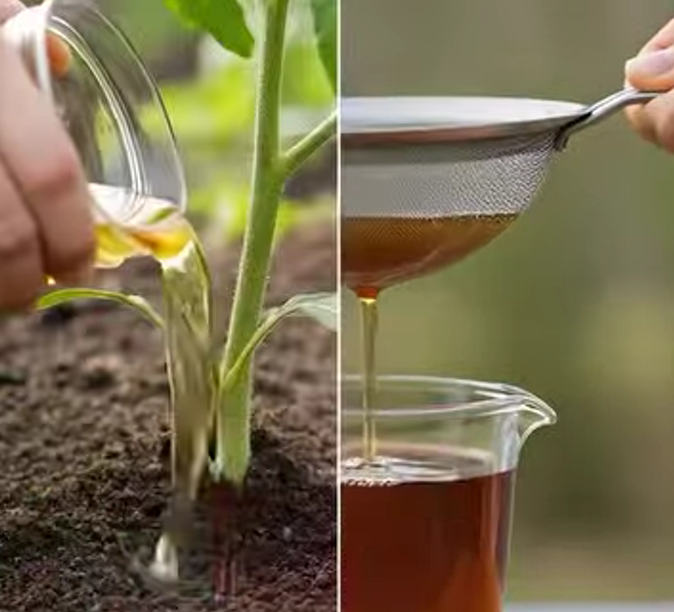
This article explores how bay leaves may support tomato growth, how to prepare a simple bay leaf solution, and how to use it safely and effectively in your garden.
🌿 Why Bay Leaves?
Bay leaves (commonly used in cooking) come from the bay laurel tree and contain natural plant compounds such as:
- Essential oils (including eucalyptol)
- Tannins
- Flavonoids
- Antioxidant compounds
In traditional gardening practices, bay leaves have been used as a mild pest deterrent and soil enhancer. While they are not a miracle fertilizer, they may contribute subtle benefits when used properly.
🌱 Potential Benefits for Tomato Plants
1️⃣ Mild Pest Deterrence
The aromatic oils in bay leaves may discourage certain insects when applied as a spray or mulch additive. While not a replacement for integrated pest management, they can be part of a natural strategy.
2️⃣ Organic Matter Contribution
When added to compost or soil, bay leaves break down and contribute organic material that improves soil structure.
3️⃣ Support for Soil Microbiology
Like many plant materials, decomposed bay leaves may encourage microbial diversity in compost systems.
Important: Bay leaves do not replace essential nutrients like nitrogen, phosphorus, and potassium. They should complement — not substitute — proper soil preparation.