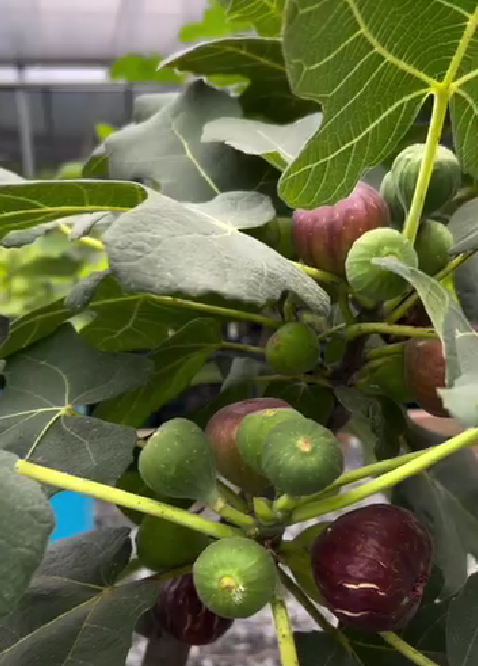
🍃 Fig Leaves: Health Properties, Benefits & How to Use Them Naturally
🌿 The Forgotten Power of Fig Leaves
For centuries, people have admired the fig tree for its sweet fruit, rich history, and symbolic meaning in cultures around the world. But while the fruit often receives all the attention, there is another part of the tree that has quietly served communities for generations — the fig leaf.
Hidden beneath the broad canopy of the fig tree, these large, textured leaves have long been used in traditional herbal practices, natural cooking methods, and even wellness routines. In many regions, elders have passed down the knowledge that fig leaves contain remarkable plant compounds that may support overall health and balance.
Today, as people become more interested in natural wellness and plant-based traditions, fig leaves are once again gaining attention. Herbal enthusiasts, gardeners, and nutrition researchers are exploring the many ways this humble leaf might support digestion, metabolism, and everyday wellness.
While fig leaves are not a miracle cure, their natural compounds and long-standing cultural uses make them a fascinating subject for anyone interested in plant-based living.
In this guide, we’ll explore the history of fig leaves, their potential health properties, the benefits associated with them, and how people traditionally use them in simple home preparations.
📜 A Brief History of Fig Leaves in Traditional Medicine
The fig tree (Ficus carica) is one of the oldest cultivated plants in human history. Archaeological evidence suggests that figs were grown thousands of years ago in the Middle East and Mediterranean regions.
Ancient civilizations valued nearly every part of the fig tree.
• The fruit was used as a natural sweet food
• The bark and sap were used in traditional remedies
• The leaves were used in herbal preparations and cooking
In ancient Greece and Rome, fig leaves were often boiled to create herbal infusions believed to support digestion and general vitality.
In parts of Asia and the Middle East, fig leaf teas were used in folk medicine for maintaining metabolic balance and supporting overall wellness.
Traditional herbalists frequently emphasized a simple principle:
Nature often stores powerful plant compounds in leaves because they are responsible for energy production and protection in plants.
Because of this, fig leaves were sometimes used in teas, compresses, and culinary preparations.
🌱 What Makes Fig Leaves Unique?
Fig leaves are large, lobed, and textured, with a slightly rough surface and distinctive aroma.
When fresh leaves are crushed, they release a green, slightly coconut-like scent, which makes them surprisingly popular in gourmet cooking today.
But beyond their aroma and culinary appeal, fig leaves contain several natural plant compounds that researchers are increasingly interested in studying.
These include:
• antioxidants
• plant polyphenols
• natural enzymes
• flavonoids
• fiber-like compounds
Together, these compounds may contribute to the traditional health uses associated with fig leaves.
🧪 Natural Compounds Found in Fig Leaves
Fig leaves contain a variety of plant-based substances that may support wellness when consumed in moderate amounts.
🌿 Polyphenols
Polyphenols are natural plant compounds known for their antioxidant properties.
These compounds help plants protect themselves from environmental stress and may support the body’s natural defense systems.
🌿 Flavonoids
Flavonoids are commonly found in fruits, vegetables, and herbs. They are widely studied for their role in supporting cellular health and balance.
🌿 Natural Enzymes
Fig leaves contain enzymes that play a role in the plant’s metabolism. Researchers are interested in how these compounds interact with digestion.
🌿 Plant Antioxidants
Like many leafy plants, fig leaves contain antioxidants that help neutralize free radicals.
While more research is needed, these compounds may contribute to the wellness reputation of fig leaves.
✨ 10 Potential Benefits Associated with Fig Leaves
Although scientific research is still evolving, traditional herbal practices and modern interest suggest several possible benefits associated with fig leaves.
1. Supports Balanced Blood Sugar
One of the most widely discussed properties of fig leaves is their potential role in supporting healthy blood sugar balance when used alongside a balanced diet.
Some studies have explored compounds in fig leaves that may interact with glucose metabolism.
2. May Help Support Digestion
Herbal traditions have long used fig leaf tea to promote digestive comfort.
Warm herbal infusions may help the digestive system feel more relaxed and balanced.
3. Provides Antioxidant Support
The antioxidants present in fig leaves may help support the body’s natural defenses against oxidative stress.
4. May Support Heart Wellness
Some plant compounds in fig leaves have attracted interest for their potential role in supporting cardiovascular balance.
5. Supports Healthy Cholesterol Levels
Traditional uses sometimes include fig leaves as part of dietary habits that aim to support balanced cholesterol levels.
6. May Promote Skin Wellness
Fig leaf extracts have been explored in natural skincare due to their plant compounds.
7. Encourages Natural Detox Support
Herbal teas, including fig leaf tea, are often used as part of gentle cleansing routines.
8. Supports Respiratory Comfort
In some cultures, fig leaf preparations were used during seasonal respiratory discomfort.
9. Adds Unique Flavor to Cooking
Fig leaves are increasingly used in modern cuisine to infuse dishes with a subtle coconut-like aroma.
10. Encourages Connection with Traditional Plant Knowledge
Exploring herbs like fig leaves helps people reconnect with long-standing cultural traditions around natural foods.
🌍 Traditional Uses of Fig Leaves Around the World
Different cultures have used fig leaves in unique ways.
Mediterranean regions often used fig leaf tea as a daily herbal drink.
In some Asian traditions, fig leaves were boiled and used in herbal broths.
In rural communities, fig leaves were sometimes used as natural food wrappers for grilling fish or rice dishes.
Today, chefs and herbalists are rediscovering these traditions and adapting them to modern lifestyles.
🔬 Modern Research and Growing Interest
Scientific interest in fig leaves has grown in recent years.
Researchers are studying fig leaf extracts to understand their chemical composition and possible health-supporting properties.
Early research has explored areas such as:
• antioxidant activity
• metabolic balance
• plant-based compounds that interact with digestion
However, experts emphasize that fig leaves should be considered a supportive food or herbal ingredient rather than a medical treatment.
👀 Why Fig Leaves Are Trending in Natural Wellness
Several factors are driving the renewed interest in fig leaves.
First, people are increasingly looking for natural, plant-based ingredients that fit into a balanced lifestyle.
Second, many wellness enthusiasts enjoy rediscovering traditional plants that were once common in everyday herbal practices.
Finally, fig leaves are easy to obtain if you have access to a fig tree or a garden.
But how exactly can fig leaves be used safely at home?
And what are the best ways to prepare them?
On the next page, we’ll explore:
• How to prepare fig leaf tea
• Step-by-step instructions for natural uses
• Daily wellness routines using fig leaves
• Additional benefits and lifestyle tips
• Common mistakes to avoid
• Safety precautions
• Frequently asked questions
Let’s continue and discover how to use fig leaves naturally in everyday life.