🌿 Grape Hyacinth (Muscari): A Tiny Spring Wonder with Surprising Benefits and Uses
When spring arrives, gardens and landscapes begin to transform with new colors, fresh greenery, and delicate flowers emerging from the soil. Among the earliest and most charming of these blooms is the grape hyacinth, a small but striking flower known for its clusters of deep blue or purple blossoms. Although it may appear modest compared to larger spring flowers, the grape hyacinth has captured the attention of gardeners and plant enthusiasts for centuries.
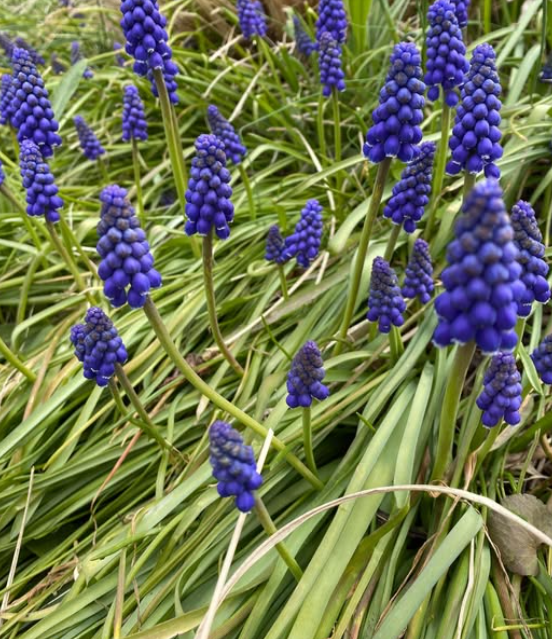
Scientifically known as Muscari, grape hyacinths are beloved for their compact beauty, early blooming season, and ability to thrive in many different environments. These tiny flowers resemble miniature clusters of grapes, which explains the common name “grape hyacinth.” Despite their small size, they create an impressive visual effect when planted in groups across gardens, pathways, or lawns.
Beyond their decorative charm, grape hyacinths have also been associated with various traditional uses and interesting botanical characteristics. Gardeners appreciate them not only for their beauty but also for their resilience and adaptability.
Understanding the story, benefits, and uses of grape hyacinths reveals why this tiny spring flower continues to be cherished by gardeners around the world.
🌱 What Is Grape Hyacinth (Muscari)?
Grape hyacinths belong to the genus Muscari, a group of small perennial plants that grow from underground bulbs. These plants are native to regions of Europe, North Africa, and parts of Asia but have since spread widely through gardens and landscapes across the globe.
The plant produces narrow, grass-like leaves that emerge from the soil in early spring. Shortly afterward, small flower spikes appear, each covered with dozens of tiny bell-shaped blossoms.
The flowers usually display deep shades of blue or purple, although some varieties produce white or pale lavender blooms.
🌸 A Symbol of Early Spring
Because grape hyacinths bloom early in the season, they are often considered one of the first signs that winter is ending. Their appearance in gardens signals the arrival of warmer weather and the beginning of the growing season.
Gardeners frequently plant them alongside other spring bulbs such as tulips and daffodils to create colorful seasonal displays.
🌿 Why Gardeners Love Grape Hyacinths
One of the main reasons grape hyacinths are so popular is their reliability. Once planted, these bulbs often return year after year with very little maintenance.
They are also known for their ability to multiply naturally. Over time, a small group of bulbs can expand into large clusters, creating impressive carpets of blue flowers across garden beds.
This spreading habit allows gardeners to fill spaces with vibrant color without needing to replant every year.
Additionally, grape hyacinths tolerate a wide range of soil conditions and climates, making them suitable for many different gardens.