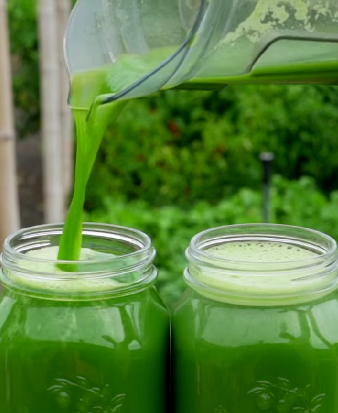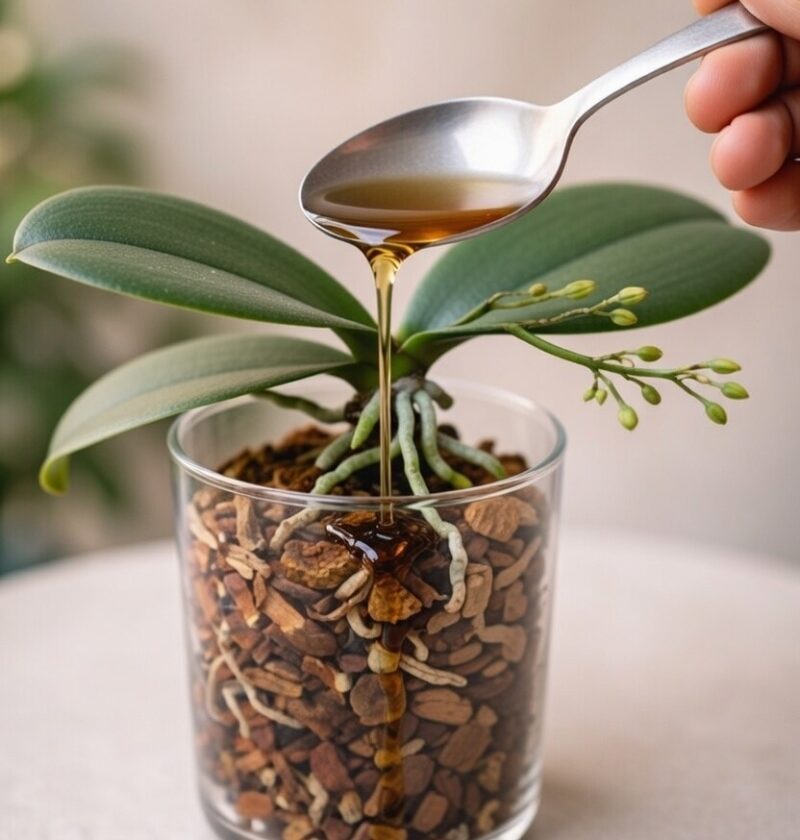
The Forgotten Natural Fertilizer Our Grandparents Swore By
Long before garden centers were filled with brightly labeled fertilizers, home growers relied on what they already had. Kitchen scraps, compost piles, wood ash, and simple homemade plant tonics formed the backbone of productive gardens. Among these traditional methods, one stands out for its simplicity and reliability: compost tea.
This “forgotten” natural fertilizer wasn’t complicated. It required no special equipment, no chemical formulas — just patience and practical knowledge. Our grandparents understood that healthy soil grows healthy plants. Instead of forcing fast growth, they focused on nourishing the living ecosystem beneath the surface.
⸻
🌿 Why Compost Tea Was a Garden Staple
Compost tea is made by steeping mature compost in water, allowing beneficial microorganisms and nutrients to infuse into the liquid. The result is a mild, soil-supporting fertilizer that enhances root health over time.
Gardeners valued it because it:
✔️ Encourages beneficial soil microbes
✔️ Provides gentle nutrients
✔️ Improves soil structure
✔️ Reduces kitchen and garden waste
✔️ Supports steady, balanced growth
It was never about speed — it was about sustainability.
⸻
✨ What Made Traditional Fertilizers Different
Unlike synthetic fertilizers that focus on immediate nutrient delivery, traditional methods emphasized soil life. Compost tea feeds the microbial community, which then supports plant health naturally.
Key characteristics:
• Made from fully finished compost
• Naturally balanced in nutrients
• Low risk of root burn
• Applied during active growth
• Used consistently, not excessively
This slow-release approach aligns with how plants grow in nature.
⸻
🥄 Step-by-Step Routine for Making Compost Tea
1. Start with Mature Compost
Use dark, crumbly compost that smells earthy. Avoid unfinished or moldy material.
2. Fill a Bucket with Water
Use non-chlorinated water if possible. Let tap water sit for 24 hours to reduce chlorine.
3. Add Compost
Place compost in a cloth bag or directly into the bucket (about 1 part compost to 5 parts water).
4. Let It Steep
Allow to steep for 24–48 hours, stirring occasionally to introduce oxygen.
5. Strain the Liquid
Remove solids before applying to prevent clogging or surface buildup.
6. Apply to Soil
Water around the base of plants during their active growing season.
Use every few weeks rather than weekly to maintain balance.
⸻
📊 Plant Care Table — Compost Tea Application Guide
Factor | Ideal Setup | Why It Helps
Frequency | Every 3–4 weeks | Prevents nutrient overload
Dilution | Light brown color | Avoids concentration
Application | Soil drench | Feeds root zone
Compost Quality | Fully matured | Prevents pathogens
Season | Spring–Summer | Supports active growth
Drainage | Well-draining soil | Protects roots
Healthy soil structure remains the foundation of plant success.
⸻
❓ Plant Care FAQ (Garden Section)
1. Can compost tea replace fertilizer?
It supplements but may not fully replace balanced feeding.
2. Is compost tea safe for houseplants?
Yes, when diluted and applied sparingly.
3. Can I spray it on leaves?
Soil application is safest.
4. How long does it last?
Use within 24 hours for best results.
5. Does it smell bad?
Properly made tea smells earthy, not foul.
6. Can I use kitchen scraps directly?
Compost them first before making tea.
7. Is it safe for seedlings?
Use very diluted solutions.
8. Does it attract pests?
Not if properly strained and applied.
9. Can I store it?
Fresh application is recommended.
10. Is more better?
No, moderation prevents imbalance.
⸻
🌿 Premium Indoor Styling Transition
Healthy soil produces vibrant foliage, and vibrant foliage transforms interiors. The same principles our grandparents used outdoors now enhance indoor plant collections — steady nourishment, simple routines, and thoughtful care.