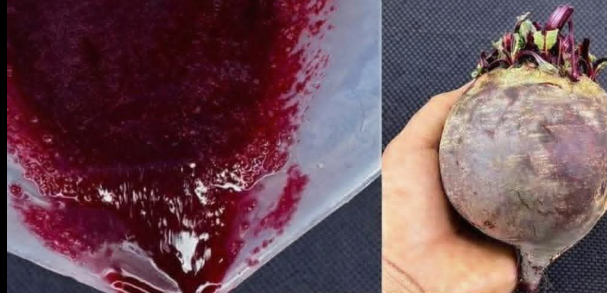
Can Beetroot Juice Really Kill Cancer Cells in 42 Days? What Science Actually Says
“Beetroot juice kills cancer cells in 42 days.”
That’s a powerful claim — and if it were true, it would change medicine forever. 🌿
It’s completely understandable why headlines like this spread so quickly. Cancer is one of the most feared diseases worldwide, and many people are searching for natural, affordable ways to protect themselves or support a loved one facing treatment.
Beetroot is undeniably nutritious. It contains antioxidants, vitamins, and minerals that support overall health. But does it cure cancer? Can drinking beet juice for 42 days eliminate cancer cells?
In this comprehensive guide, we’ll separate fact from fiction, examine what research really says, explore the genuine health benefits of beetroot, and explain how it can responsibly fit into a wellness routine — without replacing medical care.
Understanding Cancer: Why “Quick Cures” Are Misleading
Cancer is not a single disease. It refers to a group of conditions involving abnormal cell growth that can invade surrounding tissues and spread throughout the body.
According to Dr. Leila Nour, PhD in Nutritional Biochemistry, “Cancer development is complex and influenced by genetic, environmental, and lifestyle factors. There is currently no single food or juice proven to cure cancer in humans.”
Claims that a single vegetable can “destroy cancer cells in 42 days” oversimplify an extremely complex medical condition.
⚠️ Important: No clinical evidence shows that beetroot juice alone can cure cancer in humans.
Where Did the Beetroot Cancer Claim Come From?
Some laboratory (in vitro) studies have shown that compounds in beetroot — particularly betalains — may affect cancer cells in controlled lab environments.
However:
- Lab studies are not the same as human clinical trials.
- Effects observed in test tubes do not automatically translate to real-world treatment.
- No large-scale human studies confirm beet juice eliminates cancer in a specific timeframe.
Professor Mark Benson, Oncology Research Analyst, explains: “Many plant compounds show promise in laboratory settings. But transforming that into a reliable cancer treatment requires extensive clinical testing, which beet juice has not undergone as a standalone therapy.”
What Beetroot Actually Contains (And Why It’s Healthy)
While it is not a cancer cure, beetroot is a nutrient-dense vegetable that can support overall health.
Key Nutrients in Beetroot
| Nutrient | Approx. Amount (1 cup raw beets, 136g) | Functional Benefit | Practical Value |
|---|---|---|---|
| Folate (Vitamin B9) | 148 mcg | Supports cell growth and DNA formation | Important for healthy tissue maintenance |
| Fiber | 3.8 grams | Promotes digestive health | Helps maintain regular bowel movements |
| Potassium | 442 mg | Supports heart and muscle function | Helps regulate fluid balance |
| Iron | 1.1 mg | Supports oxygen transport | Contributes to energy levels |
| Betalains (antioxidants) | Varies | Helps combat oxidative stress | Supports overall cellular health |
Nutritionist Sarah Coleman, RD, notes: “Beets are rich in antioxidants and nitrates that support circulation and heart health. They’re excellent as part of a balanced diet — but they should never replace evidence-based medical treatments.”
Potential Health Benefits of Beetroot Juice (Evidence-Based)
1️⃣ Supports Cardiovascular Health
Beetroot contains natural nitrates that may help support healthy blood flow and maintain already-normal blood pressure levels.
2️⃣ Enhances Exercise Performance
Some studies suggest beet juice may improve endurance due to nitric oxide production.
3️⃣ Provides Antioxidant Support
Betalains help combat oxidative stress, which plays a role in many chronic diseases.
4️⃣ Supports Digestive Health
Its fiber content promotes gut regularity and microbiome balance.
Beetroot Juice: Supportive — Not Curative
Here is the responsible truth:
- Beetroot juice may support overall health.
- It contains antioxidants that help protect cells.
- It may complement a nutrient-rich diet.
- It does not cure cancer.
- It should never replace chemotherapy, radiation, surgery, or medical supervision.
If someone is undergoing cancer treatment, dietary changes should always be discussed with their healthcare team.
DIY Beetroot Juice vs Store-Bought: Cost & Quality Comparison
Homemade Fresh Juice
- Cost: $1–$2 per serving
- No added sugar or preservatives
- Maximum nutrient retention when consumed immediately
- Requires juicer or blender
Commercial Bottled Juice
- Cost: $3–$6 per bottle
- Convenient and shelf-stable
- May contain added sweeteners
- Nutrient levels vary due to processing
If your goal is general wellness support, homemade juice offers better cost control and ingredient transparency.
Common Mistakes to Avoid
- Believing beet juice alone can cure cancer
- Stopping prescribed cancer treatment
- Drinking excessive amounts daily
- Ignoring medical advice
- Confusing laboratory studies with human trials
Dr. Nour emphasizes: “Nutrition is powerful, but it works best alongside — not instead of — medical care.”
Who Should Be Cautious?
- People with kidney stones (beets contain oxalates)
- Individuals with low blood pressure
- Patients on blood pressure medication
- Anyone undergoing cancer treatment