H. Pylori Explained: The Hidden Stomach Bacterium, Terrain Imbalance, and True Root-Cause Healing 🌿
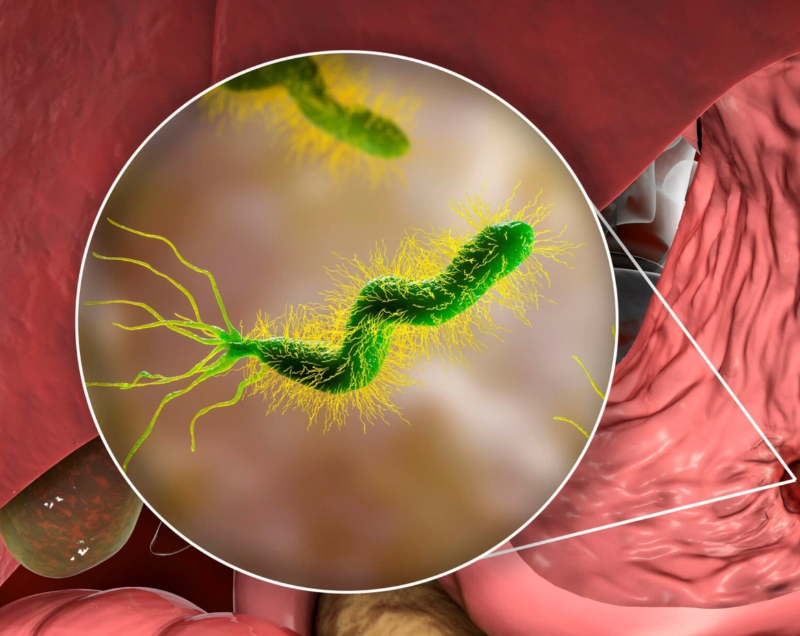
Deep within the acidic chamber of your stomach — an environment designed to destroy pathogens — lives a remarkably resilient, spiral-shaped bacterium known as Helicobacter pylori (H. pylori). Against all odds, this microorganism has evolved sophisticated survival strategies that allow it to burrow, hide, and thrive where few organisms can.
For millions of people worldwide, H. pylori quietly disrupts digestion, immunity, nutrient absorption, hormone balance, and even mental clarity. Yet for others, it exists peacefully, causing no obvious symptoms for decades.
This contradiction reveals an important truth: H. pylori is not inherently the enemy. Like parasites, candida, and many microbes, it is often a cohabitant — becoming harmful only when the internal terrain becomes weakened or imbalanced.
In this in-depth guide, we’ll explore what H. pylori really is, how it survives, why it becomes opportunistic, and how to address it using a terrain-based, root-cause approach that goes far beyond suppressing symptoms.
🧬 What Is H. pylori?
H. pylori is a highly adapted bacterium with survival mechanisms that rival science fiction.
- 🧫 Gram-negative, spiral-shaped bacterium
- 🧪 Produces urease, an enzyme that converts urea into ammonia, neutralizing stomach acid around it
- 🧱 Burrows into the gastric mucosa, hiding beneath the stomach’s protective lining
- 🕸️ Forms or joins biofilms — slimy microbial shields that block immune cells and antibiotics
- 🔁 Spreads via oral-to-oral or fecal-to-oral routes (saliva, contaminated water, poor food hygiene)
Prof. Mark Benson, microbiology researcher, explains:
“H. pylori is not strong because it overpowers the body — it survives because it adapts better than most microbes.”
Its true danger lies in its ability to:
- Suppress stomach acid
- Create chronic, low-grade inflammation
- Damage the gastric lining
- Disrupt digestion, detoxification, and mineral absorption
- Weaken the entire gut-immune axis over time
⚠️ Symptoms & Signs of H. pylori Overgrowth
Many people carry H. pylori without symptoms. Problems arise when it becomes opportunistic.
🩺 Digestive & Gastric Symptoms
- Bloating and burping shortly after meals
- Indigestion, burning, or pressure in the upper abdomen
- Nausea, early fullness, loss of appetite
- Chronic heartburn, reflux, or silent GERD
- Black or tarry stools (possible bleeding ulcers)
🧠 Systemic & Hidden Symptoms
- Iron-deficiency anemia with no clear cause
- Fatigue and brain fog after eating
- Weight loss or inability to gain weight
- Halitosis (ammonia-like breath odor)
- Histamine intolerance, skin flushing, rashes
- Cold hands and feet, sluggish thyroid symptoms
- Low B12, folate, zinc, selenium
- High homocysteine, poor methylation
Dr. Leila Nour, functional medicine practitioner, notes:
“Many people are told they have stress or IBS when the real issue is chronic stomach terrain disruption.”
🧪 How H. pylori Is Diagnosed
- Urea Breath Test – Non-invasive, detects active infection
- Stool Antigen Test – Useful for confirmation after treatment
- Blood Antibody Test – Shows exposure, not necessarily active infection
- Endoscopy + Biopsy – Invasive, reserved for ulcers or severe cases
📌 Important: Biofilms can cause false negatives, especially after antibiotic or PPI use.
🌱 Root-Cause Terrain Perspective: Why H. pylori Thrives
🔻 1. Low Stomach Acid (Hypochlorhydria)
Contrary to popular belief, most people with reflux have too little stomach acid. H. pylori exploits this environment, further suppressing acid and disrupting protein digestion, bile flow, and B12 absorption.
⚙️ 2. Mineral & Cofactor Deficiency
- Zinc, selenium, iron, folate, vitamin A
- Often caused by stress, antibiotics, poor diet, malabsorption
🧫 3. Biofilm Formation
Biofilms increase resistance to treatment by up to 1,000x. Most failed protocols ignore this step.
🛡️ 4. Suppressed Immunity
- Chronic stress or trauma
- Poor sleep
- Mold, heavy metals
- NSAIDs and PPIs
🧒 5. Early Exposure & Chronic Colonization
- Unfiltered water
- Childhood sanitation issues
- Family transmission
- Co-infections (candida, parasites)
💊 The Problem with Conventional Treatment
Standard therapy includes:
- 2–3 antibiotics
- Proton pump inhibitors (PPIs)
- Bismuth compounds
The issues:
- High antibiotic resistance
- PPIs worsen low stomach acid
- No mucosal repair afterward
- High risk of candida, SIBO, leaky gut
This model targets microbes — not terrain.
🌿 Natural & Terrain-Based Healing Strategy
🛠 Phase 1: Break the Biofilm
- Serrapeptase, nattokinase, lumbrokinase
- NAC (N-acetylcysteine)
- Bismuth subnitrate
- EDTA, monolaurin
- Apple cider vinegar, xylitol, protease enzymes
Duration: 1–2 weeks
🔥 Phase 2: Targeted Antimicrobial Support
- Mastic gum
- Berberine
- Oil of oregano
- Allicin (garlic)
- Neem, clove, myrrh, black walnut
- Manuka honey (UMF 15+)
🌀 Always use binders (activated charcoal, bentonite clay, fulvic acid).
🧱 Phase 3: Rebuild the Stomach Lining
- Zinc carnosine
- DGL licorice
- Slippery elm, marshmallow root
- Aloe vera (inner leaf)
- Colostrum, IgG
- Glutamine, butyrate, bone broth
🧪 Phase 4: Restore Acid, Enzymes & Bile
- Betaine HCl (after ulcers heal)
- Digestive bitters
- Ox bile, taurine
- Digestive enzymes
🧘♀️ Phase 5: Nervous System & Drainage
- Deep breathing, HRV training
- Sunlight and grounding
- Castor oil packs
- Magnesium glycinate or bicarbonate
- Lymphatic movement
🌾 Phase 6: Healing Diet
- Avoid: sugar, gluten, seed oils
- Emphasize: bone broth, grass-fed meats, herbs
- Add: cabbage juice, broccoli sprouts
- Fermented foods after die-off phase
📊 Key Nutrients Affected by H. pylori
| Nutrient | Why It Drops | Effect |
|---|---|---|
| B12 | Low acid & intrinsic factor | Fatigue, brain fog |
| Iron | Poor absorption, bleeding | Anemia, weakness |
| Zinc | Inflammation, malabsorption | Immune suppression |
| Selenium | Gut inflammation | Thyroid dysfunction |
🧠 Bonus Insight: The Emotional–Stomach Connection
The stomach is deeply tied to the nervous system and emotional safety.
- Confidence and personal will
- Boundaries and trust
- Early life nourishment and stress
Many carriers report:
- Overthinking
- “Tight” gut sensations
- Control or survival fear patterns
Healing is microbial and emotional.
❓ Frequently Asked Questions (FAQs)
1. Is H. pylori always harmful?
No — it becomes problematic when terrain weakens.
2. Can it affect mental health?
Yes, via nutrient deficiencies and gut-brain signaling.
3. Can natural protocols work?
Yes, when biofilms and terrain are addressed.
4. Should I retest?
Always confirm eradication via stool or breath test.
5. Can PPIs worsen it?
Long-term use may weaken terrain.
6. How long does healing take?
Weeks to months, depending on depth.
7. Can diet alone remove it?
Diet supports healing but rarely works alone.
8. Is reinfection possible?
Yes, without terrain repair.
9. Are children affected?
Yes, often asymptomatically.
10. What’s the biggest mistake?
Suppressing symptoms without rebuilding terrain.
🌷 Final Notes
- H. pylori is persistent — not permanent
- Healing requires patience and rotation
- Confirm eradication, don’t assume
- Restore stomach acid and microbiome slowly
- Your gut reflects your terrain — physically and emotionally
Disclaimer: This content is for educational purposes only and does not replace professional medical advice.