Table of Contents
1. Why Grow Garlic & Ginger?
2. Garlic Growing Guide
2.1 Selecting Garlic Cloves
2.2 Planting Time & Climate
2.3 Soil Preparation & Amendments
2.4 Planting Your Cloves
2.5 Watering, Mulch & Fertilization
2.6 Harvesting & Curing
2.7 Storing Garlic
3. Ginger Growing Guide
3.1 Selecting Ginger Rhizomes
3.2 Planting Time & Climate
3.3 Soil & Container Preparation
3.4 Planting Rhizomes
3.5 Watering, Light & Fertilization
3.6 Harvesting & Curing
3.7 Storing Ginger
4. Companion Planting & Garden Planning
5. Troubleshooting: Pests & Diseases
6. Delicious Recipes & Uses
7. Frequently Asked Questions
8. Conclusion & Next Steps
1. Why Grow Garlic & Ginger?
Garlic (Allium sativum) and ginger (Zingiber officinale) are more than kitchen staples—they’re natural health boosters. Cultivating them at home offers:
Superior Flavor: Freshly harvested cloves and rhizomes pack more aroma and flavor than store-bought.
Year-Round Supply: Fall-planted garlic stores through winter; ginger in containers ensures winter rhizomes.
Health Benefits: Both contain antioxidants, anti-inflammatory compounds, and immune-supporting nutrients.
Sustainability: Reduce packaging waste, control inputs, and save money over time.
2. Garlic Growing Guide
2.1 Selecting Garlic Cloves
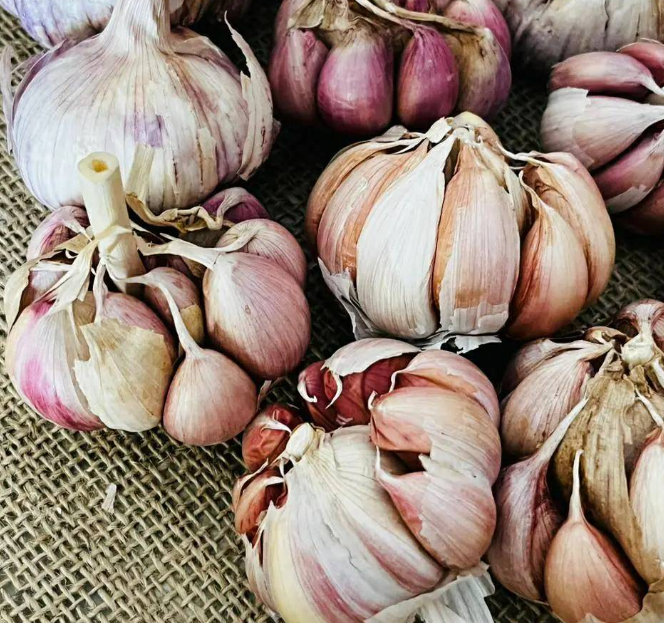
Choose disease-free, organic seed garlic from:
Hardneck Varieties: ‘Rocambole’, ‘Purple Stripe’—complex flavor and scape harvests.
Softneck Varieties: ‘Silverskin’, ‘Artichoke’—long storage, braiding-friendly.
Pro Tip: Always separate cloves just before planting to minimize rot risk.
2.2 Planting Time & Climate
Garlic requires cold exposure for proper bulb formation:
Fall Planting: 4–6 weeks before first frost—roots establish before winter.
Spring Planting: In mild zones, plant early; expect smaller bulbs.
Hardiness: Grows best in USDA zones 3–9; mulch heavily in colder regions.
2.3 Soil Preparation & Amendments
Optimal garlic soil is loose, fertile, and well-draining:
pH 6.0–7.0: Test and adjust with lime or sulfur.
Organic Matter: Mix 2–4 inches compost or aged manure per 100 sq ft.
Fertilizer: Apply balanced NPK 5-10-10 at planting and nitrogen side-dress in spring.
2.4 Planting Your Cloves
Layout rows 12 inches apart; plant cloves 2–3 inches deep, point up, spaced 4–6 inches.
Label variety and date on stakes for record-keeping.
Cover with mulch immediately to protect from frost and weeds.
2.5 Watering, Mulch & Fertilization
Maintain consistent moisture for bulb development:
Water: 1 inch weekly; reduce when tops yellow.
Mulch: 4–6 inches straw or shredded leaves for insulation and weed control.
Side-Dress: Nitrogen source when shoots reach 6 inches.
2.6 Harvesting & Curing
Timing and technique maximize storage life:
Harvest: When lower 2/3 leaves brown, typically early summer.
Cure: Hang bulbs in shade with good airflow for 2–4 weeks until necks dry.
2.7 Storing Garlic
Store in cool (32–50°F), dark, dry locations:
Braided or Mesh Bags: Ensure air circulation.
Long-Term: Up to 9 months; break cloves only when needed.
For recipes and usage, visit: Garlic Recipes.
3. Ginger Growing Guide
3.1 Selecting Ginger Rhizomes
Pick firm, organic rhizomes with visible “eyes” at a garden center:
Soak overnight to reduce dormancy.
Divide into 1–2 inch pieces, each with at least one eye; allow cuts to callus 24h.
3.2 Planting Time & Climate
Ginger thrives in frost-free, humid conditions:
Plant: Late winter to early spring, soil >65°F.
Zones: Best in USDA 8–11; otherwise grow in containers moved indoors.
3.3 Soil & Container Preparation
Provide loose, moisture-retentive yet well-drained media:
Mix equal parts potting soil, compost, and coco coir; add 10% perlite.
Use wide, shallow pots (18–24″ Ø, 8–10″ deep) with drainage holes.
3.4 Planting Rhizomes
Place pieces 3–4 inches apart, buds up, covered with 1–2 inches soil.
Water lightly; maintain humidity with misting or humidity dome in dry climates.
3.5 Watering, Light & Fertilization
Water: Even moisture, avoid waterlogging; mist foliage.
Light: Bright, indirect sun; protect from hot afternoon rays.
Feed: Liquid fertilizer or compost tea monthly during active growth.
3.6 Harvesting & Curing
Ginger is slow-growing; harvest timeline matters:
Baby Ginger: After 4–6 months for tender, mild rhizomes.
Mature Harvest: 8–10 months when foliage declines; dig carefully, shake off soil.
3.7 Storing Ginger
Refrigerate: Unwashed rhizomes in perforated bag, 3–4 weeks.
Freeze: Slice or grate, store in airtight containers 6 months.
Dry: Dehydrate slices at 125°F for 6–8 hours; store in jars.
Explore recipes: Ginger Recipes.
4. Companion Planting & Garden Planning
Maximize space and health by pairing with beneficial companions:
Garlic Companions: Roses (pest deterrent), brassicas (growth enhancer).
Ginger Companions: Leafy greens (shade), legumes (nitrogen fixation).
Rotation: Alternate garlic/ginger beds with legumes or cover crops every year.
5. Troubleshooting: Pests & Diseases
White Rot in Garlic
Symptoms: Yellowing foliage, bulb decay. Management: Remove infected bulbs; rotate out of alliums for 3–4 years.
Seedling Damping-Off
Symptoms: Collapsed seedlings. Prevention: Use clean soil, sprinkle baking soda before sowing, ensure good airflow.
Ginger Rhizome Rot
Symptoms: Soft, mushy rhizomes; foul odor. Prevention: Ensure well-drained soil, avoid overwatering, treat seed pieces with hot water dip.
6. Delicious Recipes & Uses
Roasted Garlic Butter—spreadable perfection for bread and veggies.
Ginger-Garlic Stir-Fry—a quick, flavor-packed meal.
Garlic & Herb Infused Oil—perfect for dressings and marinades.
Ginger-Lemon Cordial—refreshing homemade beverage.
7. Frequently Asked Questions
Q1: Can garlic and ginger be grown together?
A: Yes—garlic in fall, ginger in spring; stagger planting times and ensure proper spacing.
Q2: How do I prevent garlic bulbs from splitting?
A: Maintain even moisture; harvest when leaves begin to yellow, before overmaturity.
Q3: What temperature do ginger rhizomes prefer?
A: 75–85°F; protect from temperatures below 50°F.
Q4: Can I replant garlic cloves from my harvest?
A: Absolutely—select large, healthy bulbs; store properly before replanting each fall.
Q5: How do I know when garlic is ready?
A: When 2/3 of foliage has turned brown; dig gently and cure promptly.
Conclusion & Next Steps