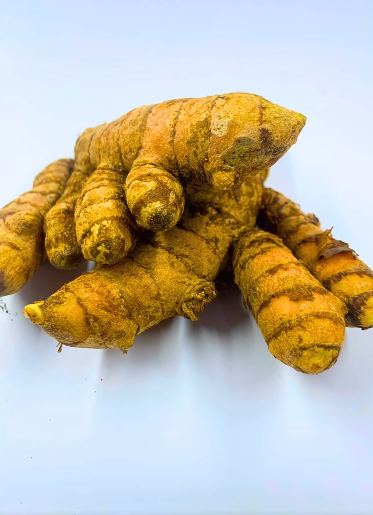
From Garden to Wellness: How Turmeric Brings Golden Healing to Your Joints and Life
🌿 If your knees could talk, they’d probably ask for a little golden magic — and that’s exactly what turmeric brings. This radiant root, often hailed as “nature’s golden medicine,” has been cherished for centuries for its ability to ease stiffness, reduce inflammation, and soothe tired joints. But turmeric’s value extends beyond the spice rack — it’s a garden-to-table (and garden-to‑health) ally that can support graceful aging, vitality, and overall well‑being. In this article, we explore how to grow turmeric, how to use it, what science currently says about its benefits — and what to watch out for. 🍂✨
What Is Turmeric — and What’s Inside It?
Turmeric (from the plant Curcuma longa) is the bright‑yellow rhizome (root) of a plant in the ginger family. The part we use — whether fresh or dried and ground — is rich in polyphenolic compounds called curcuminoids, with the main active agent being curcumin. Curcumin is responsible for turmeric’s vibrant hue and many of its alleged medicinal and wellness properties. :contentReference[oaicite:1]{index=1}
Traditional medicine systems (like Ayurvedic and folk herbal practices) have long valued turmeric for joint pain, digestive issues, skin care, and general “body cleansing.” Modern science has begun to investigate these claims — with a growing body of research focusing on turmeric’s anti‑inflammatory, antioxidant, and potential immunomodulatory effects. :contentReference[oaicite:2]{index=2}
🌱 How to Grow Turmeric at Home (Garden or Container)
One of the greatest joys of turmeric is that — with the right conditions — you can grow it right in your own garden or even in a pot. Here’s how to get started:
- Choose the planting material: Use fresh turmeric rhizomes with at least one “eye” (a bud that will sprout). :contentReference[oaicite:3]{index=3}
- Soil & potting medium: Turmeric thrives in loose, well‑draining soil rich in organic matter. Loamy or clay‑loam soils with good compost content are ideal. :contentReference[oaicite:4]{index=4}
- Planting depth & spacing: Bury rhizome pieces 2–4 inches (≈5–10 cm) deep. If planting multiple, space them appropriately (or use a “grow bag” / container). :contentReference[oaicite:5]{index=5}
- Climate conditions: Turmeric prefers warm climates; optimal growth typically occurs when soil temperatures stay above ~ 55 °F (≈13 °C). For cooler climates, you can start indoors and transplant later when it warms up. :contentReference[oaicite:6]{index=6}
- Sunlight & watering: Turmeric does well in full to partial shade, with indirect bright light being sufficient. Soil should be kept consistently moist (but not waterlogged) to avoid root rot. Mulching helps retain moisture and regulate soil temperature. :contentReference[oaicite:7]{index=7}
- Harvest time: After 8–10 months (when leaves yellow and die back), carefully dig up rhizomes, rinse, and let them dry before storing or using. :contentReference[oaicite:8]{index=8}
Whether you have a small balcony, garden bed, or sunny indoor space, cultivating turmeric offers a rewarding, hands‑on way to connect with your food and medicine. 🌿
How to Use Turmeric for Joints, Health, and Everyday Life
Once harvested, turmeric can be enjoyed in multiple ways — fresh, dried, powdered, or brewed — depending on your goals and preferences. Below are some of the most popular uses:
- Fresh turmeric root: Grate or thinly slice into soups, stews, teas, or “golden milk” (warm milk, turmeric, a pinch of pepper, and honey). The fresh root offers a more vibrant, slightly peppery flavor and maximum potency.
- Dried & ground turmeric powder: Great for cooking — curries, rice, roasted veggies, sauces — and everyday seasoning. Regular use adds color, flavor, and gentle health support.
- Homemade turmeric preparations: You can make marinades, dressings, or herbal teas. Many also use turmeric in infused oils, DIY health elixirs, or scented “golden” drinks.
- Supplement form: Some people choose powdered or capsule forms — though it’s important to note absorption challenges and potential need for enhancers (see below).
💡 A common tip among nutritionists: combining turmeric with a source of fat (like a bit of olive oil or whole milk) and a pinch of black pepper boosts curcumin absorption significantly. :contentReference[oaicite:9]{index=9}
What Science Says: Benefits — and What’s Still Unclear
The health claims around turmeric — especially joint support — are among the most studied. Here’s a breakdown based on recent research and reviews.
✅ Evidence Supporting Turmeric’s Potential Benefits
- Joint pain & osteoarthritis (OA): Multiple randomized controlled trials (RCTs) and meta-analyses suggest turmeric (or curcumin extracts) can help reduce pain and improve physical function in people with knee OA. In some cases, effects are comparable to non‑steroidal anti‑inflammatory drugs (NSAIDs), but with fewer reported side effects. :contentReference[oaicite:10]{index=10}
- Anti‑inflammatory & antioxidant effects: Curcumin appears capable of modulating inflammatory pathways (e.g. inhibiting COX‑2, iNOS, lipoxygenase, etc.) and reducing oxidative stress markers in humans. :contentReference[oaicite:11]{index=11}
- Potential support for other conditions: Some preliminary evidence suggests turmeric may also benefit metabolic health, digestion, and general inflammation-related issues — though findings are more tentative. :contentReference[oaicite:12]{index=12}
⚠️ What’s Still Uncertain or Cautious
- Bioavailability challenge: Curcumin — though potent in lab settings — is poorly absorbed by the human body when taken alone. That means you may need enhancers (fat + pepper) or specialized formulations to truly benefit. :contentReference[oaicite:13]{index=13}
- Evidence quality & consistency: While some studies show positive effects, overall clinical evidence remains moderate; many studies are small, short-term, or use different formulations. :contentReference[oaicite:14]{index=14}
- Not a “magic cure”: Although turmeric can support joint comfort and general wellness, it is unlikely to replace conventional medical treatments, especially for severe or chronic conditions. :contentReference[oaicite:15]{index=15}
- Potential side effects and interactions: At high doses — especially via supplements — turmeric/curcumin may cause digestive upset, interfere with medications (e.g. blood thinners), or, in rare cases, lead to liver or kidney issues. :contentReference[oaicite:16]{index=16}
🌟 Benefit Overview — What Turmeric Could Do for Your Body
| Potential Benefit | Underlying Effect / Mechanism | Evidence Strength |
|---|---|---|
| Reduced joint pain & stiffness (e.g. knee osteoarthritis) | Anti‑inflammatory action, inhibition of inflammatory enzymes, pain modulation | Moderate — several RCTs & meta-analyses :contentReference[oaicite:17]{index=17} |
| Lowered inflammation & oxidative stress | Antioxidant activity, reduced oxidative damage, improved antioxidant status | Moderate to low — promising but variable :contentReference[oaicite:18]{index=18} |
| Improved joint mobility & physical function | Reduced pain & stiffness → better movement, decreased discomfort | Moderate — some evidence but results vary :contentReference[oaicite:19]{index=19} |
| General wellness: digestion, metabolic health, immune support (potential) | Anti‑inflammatory, antioxidant, immunomodulatory properties | Low — preliminary and inconclusive :contentReference[oaicite:20]{index=20} |
Tips & Precautions — Use Turmeric Wisely
- Better absorption when consumed with healthy fat and a pinch of black pepper (piperine). This enhances curcumin uptake significantly. :contentReference[oaicite:21]{index=21}
- Use culinary amounts as a first choice — fresh or powdered turmeric in meals — before considering high-dose supplements.
- If you have chronic illness, are on medications (especially blood thinners), pregnant, or have liver/kidney conditions — consult your doctor before regular high-dose turmeric use. :contentReference[oaicite:22]{index=22}
- Consistency matters more than large doses: moderate, regular use tends to be safer and still effective over time.
- Be realistic: turmeric is not a miracle cure. Think of it as a supportive, complementary lifestyle element — best used alongside balanced diet, physical activity, and medical care when needed.
FAQs — Everything You Need to Know About Turmeric 🌿
Q1: Can turmeric really replace painkillers like NSAIDs for joint pain?
A: Some studies suggest that turmeric/curcumin supplements can reduce joint pain and stiffness — in some cases with effectiveness comparable to NSAIDs, but with fewer side effects. :contentReference[oaicite:23]{index=23} However, evidence is not uniform, and turmeric should be viewed as a complementary approach, not a guaranteed replacement. Always discuss with a healthcare provider before replacing prescribed medication.
Q2: Is fresh turmeric root more effective than the powdered spice?
A: Fresh turmeric retains more of its natural oils and may offer better flavor and some potency. But both fresh and dried/powdered forms have curcumin and can contribute to health when used consistently. Absorption — not just form — is often the limiting factor. Pairing with fat and black pepper helps regardless of form.
Q3: How much turmeric (or curcumin) should I consume for joint benefits?
A: Clinical studies showing benefit have used curcumin doses around 500 mg to 1000 mg/day (often divided doses) over several weeks. :contentReference[oaicite:24]{index=24} For daily cooking/spice use, smaller amounts are typical — but meaningful therapeutic effects likely require more consistent and more substantial intake (ideally under medical supervision).
Q4: Are there risks or side effects to long-term turmeric use?
A: At normal culinary doses, turmeric is generally considered safe. :contentReference[oaicite:25]{index=25} However, high-dose supplements may cause digestive discomfort, interfere with certain medications (especially blood thinners), and — in rare cases — lead to liver or kidney issues. :contentReference[oaicite:26]{index=26} Moderation and medical guidance are advised.
Q5: Can I grow turmeric where I live? (Even if climate is not “tropical”)
A: Possibly! Turmeric prefers warm, humid climates and well‑draining soil. But you can grow it in containers or pots indoors if you can provide warmth, moisture, and indirect sunlight. Many gardeners successfully grow turmeric in grow bags or containers with compost‑rich soil. :contentReference[oaicite:27]{index=27}
Q6: Does cooking turmeric destroy its benefits?
A: Heat can degrade some curcuminoids, but cooking turmeric still retains many beneficial compounds — and the body may still absorb them (especially if combined with fat and pepper). Using both raw and cooked forms may maximize benefits.
Q7: Is turmeric only good for joints — or does it help other aspects of health too?
A: Turmeric is being studied for a variety of effects beyond joint health: inflammation, digestion, metabolic support, antioxidant protection, and possibly even mood or cardiovascular support. :contentReference[oaicite:28]{index=28} That said, evidence is more preliminary for many of these uses than it is for joint support.
Q8: Should I take turmeric supplements or just use it in food?
A: For most people, using turmeric in cooking (food‑based approach) is safest and provides reasonable benefit over time. Supplements may offer higher doses but come with greater risk of side effects and absorption issues. If you consider supplements, consult a qualified healthcare provider and aim for brands that support bioavailability (e.g. combined with fat/piperine).
Q9: How long does it take to feel benefits after starting to use turmeric regularly?
A: In clinical trials, participants often report improvement in joint pain and mobility after several weeks (6–12 weeks) of consistent turmeric/curcumin intake. :contentReference[oaicite:29]{index=29} For dietary use, benefits are more subtle and gradual — it’s part of a lifestyle, not a quick fix.
Q10: Can turmeric interact with other medications or health conditions?
A: Yes — turmeric (especially in supplement form) can interact with blood thinners, diabetes medications, or drugs affecting liver/kidney function. It may also exacerbate digestive issues or cause allergic reactions in sensitive individuals. If you have health conditions or are on medications, talk to your doctor before making turmeric a regular supplement. :contentReference[oaicite:30]{index=30}
Why “Garden to Wellness” Matters: The Bigger Picture 🌿
Growing turmeric yourself gives you more than just a root — it reconnects you to nature, seasons, and the ancient lineage of herbal wellness. In a world where processed foods and quick fixes dominate, cultivating your own healing herbs is a radical act of self‑care, patience, and respect for the living soil. When you harvest and prepare your own turmeric, you’re not just cooking — you’re participating in a tradition, nurturing your health with intention, and building a deeper relationship to what sustains you.
Whether you sprinkle turmeric in your daily meals, brew golden milk on chilly evenings, or grow the plant with your own hands — you invite a little golden magic into your life. But remember — like any wellness path, it works best when paired with balance: nourishing food, natural movement, rest, and mindful living. Let turmeric be a companion on your journey, not a fix-all miracle.
Here’s to joint comfort, gentle healing, and golden roots. 💛