The Must-Know Tip for a Record-Breaking Sweet Pepper Harvest! 🫑🌱
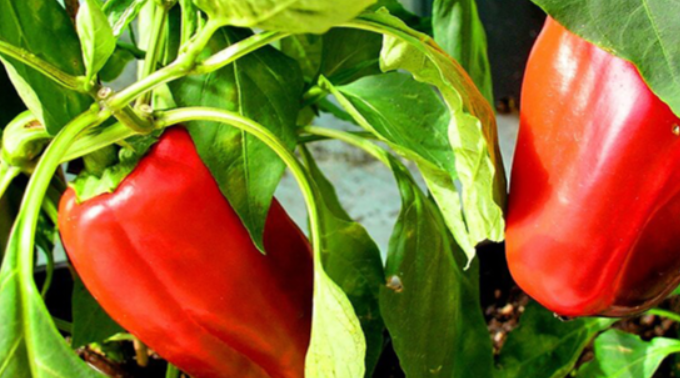
Sweet peppers — also known as bell peppers — are a gardener’s delight. Their vibrant colors, crisp texture, and naturally sweet flavor make them a star in salads, stir-fries, and fresh salsas. But growing large, healthy, and abundant peppers takes more than simply planting seeds and watering regularly. 🌞💧
To maximize your sweet pepper harvest, you need to focus on strategic early-season care. By applying a few targeted actions right after transplanting, you can set your plants up for record-breaking yields — producing full-sized, brightly colored, sweet fruits that will make your garden the envy of the neighborhood.
Why Peppers Need Early Support 🛠️
Expert Insight: According to Dr. Leila Nour, an agricultural scientist specializing in fruiting vegetables, “The first 4–6 weeks after transplanting are critical for pepper plants. Early interventions strengthen the root system, reduce stress, and lay the foundation for heavy fruit production.”
Peppers are naturally sensitive to changes in temperature, nutrient availability, and soil moisture. Inconsistent care during this stage can cause problems such as blossom drop, weak stems, and undersized fruit. By building a strong base early, you encourage steady flowering and the production of multiple healthy fruits per plant.
The Proven Sweet Pepper Boosting Method 🌿
This method combines strategic soil enrichment, root support, and early feeding. It is especially effective if applied just after transplanting seedlings into their permanent growing space.
Step 1: Enrich the Planting Hole
- Mix 1 tablespoon of Epsom salt into the bottom of the hole to provide magnesium, which supports strong stems and healthy leaves.
- Add a handful of compost or aged manure for a natural boost of nitrogen, phosphorus, and potassium.
- Sprinkle in crushed eggshells for a slow-release source of calcium to prevent blossom end rot.
Step 2: Gentle Root Stimulation
- Water seedlings with a diluted seaweed extract solution immediately after planting to reduce transplant shock.
- Seaweed contains natural growth hormones that stimulate root expansion and nutrient uptake.
Step 3: Protect Against Stress
- Mulch around the base with straw or shredded leaves to retain moisture and stabilize soil temperature.
- If nighttime temperatures drop below 60°F (15°C), use row covers or cloches to protect young plants.
Step 4: Early Feeding for Maximum Growth
- One week after transplanting, feed plants with a balanced organic fertilizer (e.g., 5-5-5 NPK).
- Repeat every 3–4 weeks until flowering begins.
Extra Pro Tips for Bigger, Sweeter Peppers 🌟
Tip 1: Prune Early Flowers
Pinch off the first few blossoms that appear. This encourages the plant to focus on root and stem growth before fruit production, leading to larger yields later in the season.
Tip 2: Space for Airflow
Plant peppers 18–24 inches apart to reduce humidity around leaves, preventing fungal diseases.
Tip 3: Consistent Watering
Keep soil evenly moist, but never waterlog it. Fluctuating moisture levels can cause fruit cracking and blossom drop.
Nutrition & Health Benefits of Sweet Peppers 🫑
| Nutrient | Amount per 100g | Health Benefit |
|---|---|---|
| Vitamin C | 127.7 mg | Boosts immunity & skin health |
| Vitamin A | 157 µg | Supports vision & immune function |
| Potassium | 211 mg | Regulates blood pressure |
| Fiber | 2.1 g | Promotes digestive health |
| Capsanthin | — | Powerful antioxidant, protects cells |
Frequently Asked Questions (FAQs) ❓
- When should I plant sweet peppers? – After all danger of frost has passed and soil temperature is above 65°F (18°C).
- Can peppers grow in containers? – Yes, choose a pot at least 3–5 gallons in size with good drainage.
- How much sun do peppers need? – At least 6–8 hours of direct sunlight per day.
- Why are my pepper leaves curling? – This could be due to pests, overwatering, or nutrient imbalance.
- Should I stake my pepper plants? – Yes, especially for tall varieties to prevent bending under heavy fruit loads.
- What’s the best fertilizer for peppers? – A balanced organic fertilizer during growth, switching to a low-nitrogen, high-potassium mix at flowering.
- How do I make peppers sweeter? – Ensure consistent watering, plenty of sun, and allow fruits to fully ripen on the plant.
- Can I grow peppers indoors? – Yes, with grow lights and controlled temperatures.
- Why are my peppers small? – Could be due to overcrowding, low nutrients, or stress during early growth.
- How do I store harvested peppers? – Keep in the fridge for up to two weeks, or freeze for long-term storage.
By giving your sweet peppers the right support at the right time — especially just after transplanting — you’ll be rewarded with an abundance of crisp, juicy, and vibrantly colored fruits. 🌱🫑