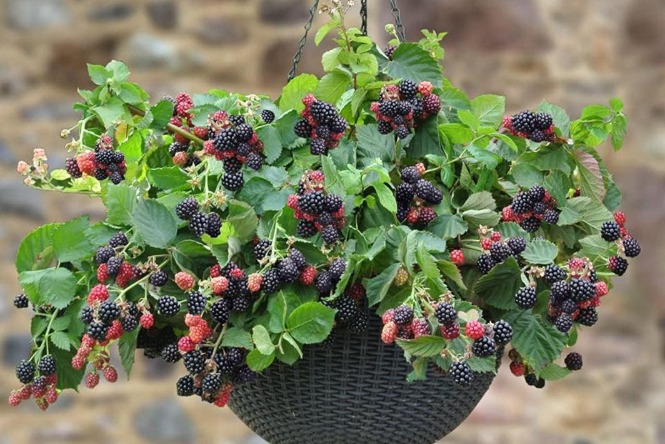
Grow Juicy Blackberries at Home – Even in Small Pots!
Blackberries, beloved for their sweet-tart flavor and generous yields, are often associated with sprawling garden plots. However, with a little ingenuity, you can cultivate juicy, plump blackberries right from a container—even in a small space like a balcony or patio. Whether you’re a beginner gardener or looking for a more controlled way to grow berries, this guide has everything you need to succeed.
🌿 Why Choose Blackberries for Container Gardening?
Blackberries are vigorous, hardy, and surprisingly container-friendly. They produce fruit on canes that grow in cycles, offering a rewarding harvest for multiple seasons. Growing blackberries in pots allows you to control their growth, prevent unwanted spreading, and manage soil quality easily. It also makes harvesting more convenient and helps minimize pest and disease risks.
🧬 Understanding Blackberry Growth Habits
Blackberries grow via underground rhizomes that produce above-ground canes. These canes are classified into:
- Primocanes: First-year, green canes that focus on vegetative growth.
- Floricanes: Second-year canes that become woody and bear fruit.
Some modern varieties (called primocane-fruiting) even bear fruit on first-year canes, giving quicker returns and easier maintenance in pots.
🔍 Selecting the Right Variety
Not all blackberry varieties are created equal for container growing. You’ll want to choose compact, thornless, or erect varieties. Here are some top choices:
- Baby Cakes®: A dwarf, thornless variety perfect for patio pots. Fruits in the first year.
- Prime-Ark® Freedom: Primocane-fruiting, thornless, large fruit producer. Great for limited spaces.
- Navaho: Erect, thornless, excellent flavor and requires no trellis support.
- Apache: Large berries, thornless, and upright growth habit.
“Blackberries like Prime-Ark Freedom are a game-changer for urban gardeners—they fruit quickly and remain manageable in containers,” says Dr. Martha Chao, horticulturist at the National Berry Institute.
🪴 Container and Soil Preparation
1. Choosing the Right Container
- Minimum size: 5-gallon pot, but larger (18–24 inches wide/deep) is ideal.
- Material: Plastic retains moisture; terracotta breathes but dries faster.
- Ensure multiple drainage holes at the base to prevent root rot.
2. Preparing the Potting Mix
Use a well-drained, fertile soil mix. Here’s a recommended recipe:
- 60% organic potting mix
- 30% compost (well-rotted)
- 10% perlite or coarse sand for aeration
Blackberries prefer slightly acidic soil (pH 5.5–6.5). Add pine bark or peat moss if necessary.
3. Planting Steps
- Choose a healthy, disease-free nursery plant.
- Tease the roots gently to avoid root circling.
- Plant at the same depth it was in its nursery container.
- Water deeply after planting to settle the soil.
☀️ Care and Maintenance for Thriving Blackberries
1. Sunlight
Blackberries love the sun! Aim for 6–8 hours of full sunlight daily. Less sun may result in fewer and less flavorful fruits.
2. Watering
Container soil dries faster than ground soil. Keep soil consistently moist—not soggy. During hot weather, water daily or use a drip irrigation system.
3. Fertilizing
Fertilize every 4–6 weeks during the growing season with a balanced berry fertilizer. Organic options like compost tea or worm castings are also beneficial.
4. Pruning
Pruning depends on the variety:
- Floricane-bearing: Cut old canes after fruiting. Keep new primocanes.
- Primocane-bearing: Cut all canes to ground level in winter.
5. Supporting the Plant
Most erect types won’t need trellises. For trailing or semi-erect types, install bamboo stakes, cages, or a small trellis to support heavy fruit clusters.
🐛 Common Problems and How to Solve Them
- Root Rot: Prevent by using well-draining soil and pots with holes.
- Birds: Use netting to protect ripening berries.
- Fruit Flies & Mites: Harvest promptly and keep containers clean. Neem oil can help manage infestations.
- Powdery Mildew: Improve air circulation and avoid overhead watering.
🍇 Harvesting and Using Your Berries
Blackberries are ready when they’re completely black, plump, and come off the cane with minimal effort. Frequent harvesting encourages more fruiting and reduces pest risk.
Storage: Refrigerate immediately and consume within 3–5 days. You can also freeze or dry blackberries for longer storage.
Uses: Blackberries are delicious in jams, smoothies, pies, salads, and savory sauces.
📊 Quick-Glance Reference Table
| Aspect | Recommendation |
|---|---|
| Best Varieties | Baby Cakes, Prime-Ark, Navaho, Apache |
| Container Size | Minimum 5 gallons; ideally 18–24 inches wide |
| Soil pH | 5.5–6.5 (slightly acidic) |
| Sunlight | 6–8 hours per day |
| Watering | Keep soil moist; daily in heat |
| Fertilizing | Every 4–6 weeks |
| Pruning | Depends on variety (primocane vs. floricane) |
| Pests | Birds, fruit flies, mildew |
| Harvest Time | When fully black and soft to touch |
| Uses | Fresh, jam, baked, frozen, dried |
❓ 10 Frequently Asked Questions (FAQs)
- Can blackberries grow in partial shade?
They can, but fruit yield and sweetness will decrease significantly. - How long do blackberry plants live in pots?
Up to 10 years with proper pruning and repotting every 2–3 years. - Do they need a second plant to fruit?
No. Most modern blackberry varieties are self-fertile. - When is the best time to plant?
Early spring or late fall in mild climates. - What pests are most common?
Birds, aphids, spider mites, and fruit flies. - Can I bring my blackberry indoors for winter?
Yes, if temperatures drop below freezing. Keep in a cool, sunny area. - How often should I prune?
Annually—after fruiting for floricanes, or late winter for primocanes. - Do I need to fertilize in winter?
No. Resume fertilizing in spring when growth restarts. - Will they fruit in the first year?
Yes, if you’re growing a primocane-fruiting variety like Prime-Ark Freedom. - What’s the best companion plant?
Herbs like mint, thyme, or lavender deter pests and look attractive.
🌟 Final Thoughts
With the right setup and care, blackberries are one of the easiest and most rewarding fruits to grow in containers. Their ability to thrive in small spaces, coupled with their health benefits and culinary versatility, make them a top choice for home gardeners.
Whether you’re growing them on a sunny balcony or a cozy courtyard, container blackberries bring flavor, beauty, and satisfaction to your garden. So grab a pot, pick your plant, and start your berry adventure today! 🍇🌿