🌱 Plant Identification: Do Not Guess
This is one of the biggest safety issues.
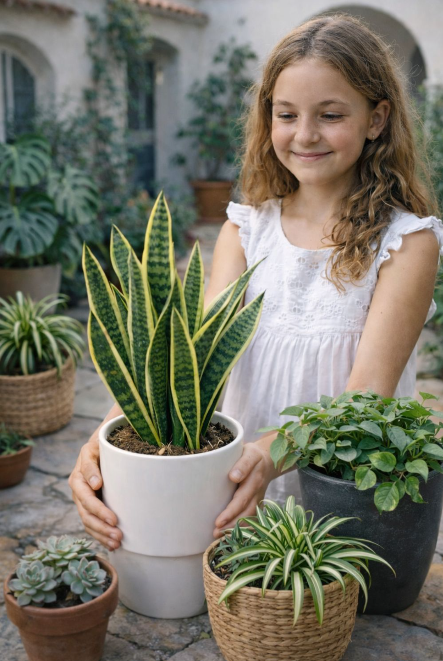
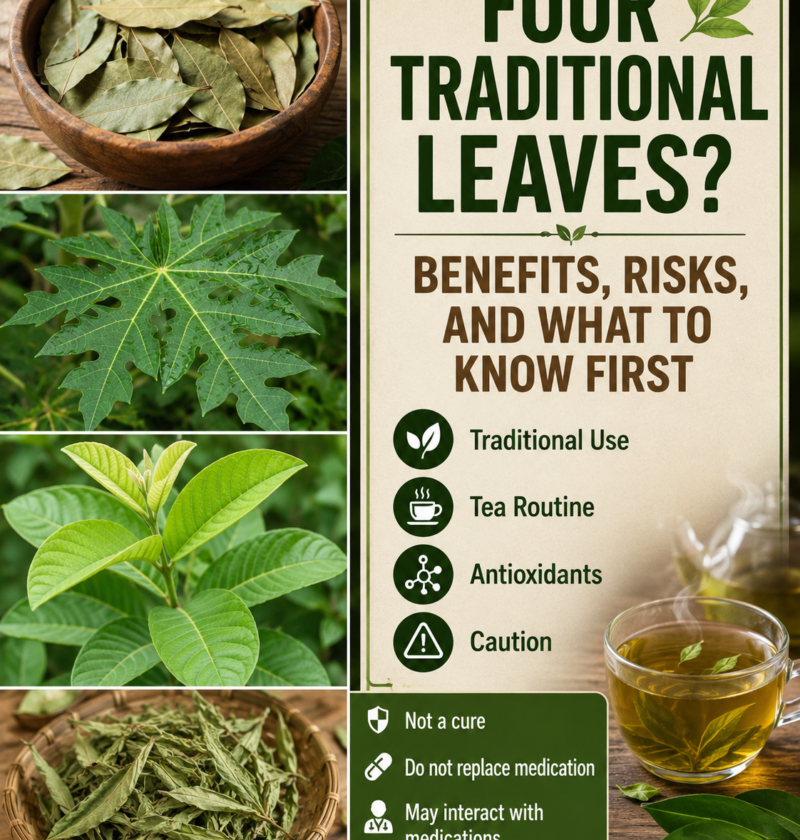
The image shows different leaves, but many plants look similar.
If you do not know the exact plant name, do not drink it.
Some plants have toxic look-alikes.
Some leaves are safe as food but unsafe as tea.
Some leaves are safe when cooked but unsafe raw.
Some leaves are safe for adults but risky for children, pregnant people, or people taking medication.
Never harvest random leaves from outside and make tea.
Avoid leaves from:
Roadsides
Sprayed gardens
Unknown trees
Polluted areas
Public parks
Plants with pesticides
Plants you cannot identify
Use only food-grade herbs from trusted sources.
💊 Medication Interactions: Ask First
Herbal teas and supplements can interact with medications.
NCCIH explains that dietary supplements may interact with medications or pose risks for people with medical problems or those going to surgery. It also notes that many supplements have not been tested in pregnant people, nursing mothers, or children.
Ask a doctor or pharmacist before using strong herbal teas if you take:
Diabetes medication
Blood pressure medication
Blood thinners
Heart medication
Cholesterol medication
Liver medication
Kidney medication
Immune-suppressing medication
Diuretics
Daily supplements
Medication before surgery
A mild tea may look simple.
But daily strong herbal use can matter.
🤰 Pregnancy, Breastfeeding, and Children
Pregnancy and breastfeeding require extra caution.
Children also need extra care.
Many herbal products have not been tested well in these groups. NCCIH notes that many dietary supplements have not been tested in pregnant women, nursing mothers, or children.
That means safety is not guaranteed.
Pregnant people should not experiment with strong leaf teas.
Breastfeeding people should ask a healthcare provider first.
Children should not be given strong herbal teas without medical advice.
Babies should not receive herbal remedies unless a pediatrician says so.
🧪 Why “Antioxidants” Does Not Mean “Cure”
Many leaves contain plant compounds.
Some may have antioxidant activity.
That sounds good, but it is often misunderstood.
Antioxidants in a plant do not mean the plant cures disease.
A food or tea can contain antioxidants and still not treat cancer, diabetes, liver disease, or hypertension.
The safe way to say it:
Traditional leaves may contain plant compounds.
They may be part of a balanced lifestyle.
They are not medical treatments.
They should not replace care.
🛒 What to Look for When Buying Herbal Leaves
If buying herbal leaves for tea, choose carefully.
Look for:
Food-grade leaves
Exact plant name
Clean packaging
Trusted brand
Expiration date
No moldy smell
No dust or insects
Clear brewing instructions
No disease claims
No “cure” promises
No “without medication” language
Avoid products that say:
Eliminates diabetes
Cures cancer
Reverses fatty liver
Fixes circulation
Lowers blood pressure guaranteed
Cleans arteries
Works better than medicine
Doctor secret
These claims are red flags.
The FDA explains that products intended to treat, diagnose, cure, or prevent disease are considered drugs, even if they are labeled as dietary supplements.
🛍️ What to Look for When Buying Herbal Supplements
Some leaves are sold as capsules, extracts, powders, or tinctures.
These can be stronger than tea.
Before buying, check:
Supplement facts label
Clear serving size
Third-party testing if available
Medication warnings
Pregnancy warning
Allergen information
Country of origin
Brand reputation
No miracle claims
No fake before-and-after images
The FDA says a dietary supplement marketed to treat, prevent, or cure a specific disease is not legally allowed as a supplement claim.
A trustworthy product should sound careful.
Not magical.
🍵 A Safer Tea Routine
A safer routine is simple.
Use one known herb at a time.
Use food-grade leaves.
Start mild.
Avoid mixing many unknown plants.
Do not drink it like medicine.
Do not use it to treat symptoms.
Do not take it with medication without asking first.
Do not use it during pregnancy without professional advice.
A gentle tea routine may include:
One trusted herb
Hot water
Short steeping time
No extreme concentration
No daily high-dose use
No disease claims
No “replace medication” mindset
Simple is safer.
🚫 Mistakes to Avoid
Do not use leaves to treat diabetes.
Do not use leaves as a cancer remedy.
Do not use herbs instead of blood pressure medication.
Do not use unknown leaves.
Do not mix four random plants together.
Do not drink strong herbal teas every day without advice.
Do not give strong herbal tea to children.
Do not use herbal leaves during pregnancy without asking a professional.
Do not ignore symptoms.
Do not believe “without medication” claims.
🚨 Symptoms That Need Medical Care
Some symptoms need real medical attention.
Do not rely on tea if you have:
Very high blood sugar
Very low blood sugar symptoms
Chest pain
Shortness of breath
Severe headache
Fainting
Sudden weakness
Vision changes
Severe swelling
Yellow skin or eyes
Unexplained weight loss
Blood in stool or urine
Severe abdominal pain
Ongoing fatigue
Persistent high blood pressure
These symptoms should be checked.
A tea routine should never delay care.
🧠 The Real Wellness Takeaway
Traditional leaves can be interesting.
They may be part of cultural tea routines.
They may offer flavor and plant compounds.
They may help some people replace sugary drinks.
But they are not cures.
They do not eliminate diabetes.
They do not treat cancer.
They do not fix fatty liver.
They do not repair circulation.
They do not replace blood pressure medication.
The safest message is simple:
Use food-grade herbs.
Avoid miracle claims.
Check plant identity.
Ask a doctor or pharmacist if you take medications.
Get medical care for real symptoms.
✅ Final Answer: Should You Try Four Traditional Leaves?
You may try a mild tea made from known, food-grade leaves if you tolerate it well.
But do not use four traditional leaves to treat diabetes, cancer, fatty liver, poor circulation, or hypertension.
Do not stop medication.
Do not drink unknown plants.
Do not trust posts that promise healing “without medication.”
If you have a health condition, take medication, are pregnant or breastfeeding, or want to use herbs daily, talk to a healthcare professional first.
Traditional leaves can support a simple wellness routine.
They cannot replace real medical care.