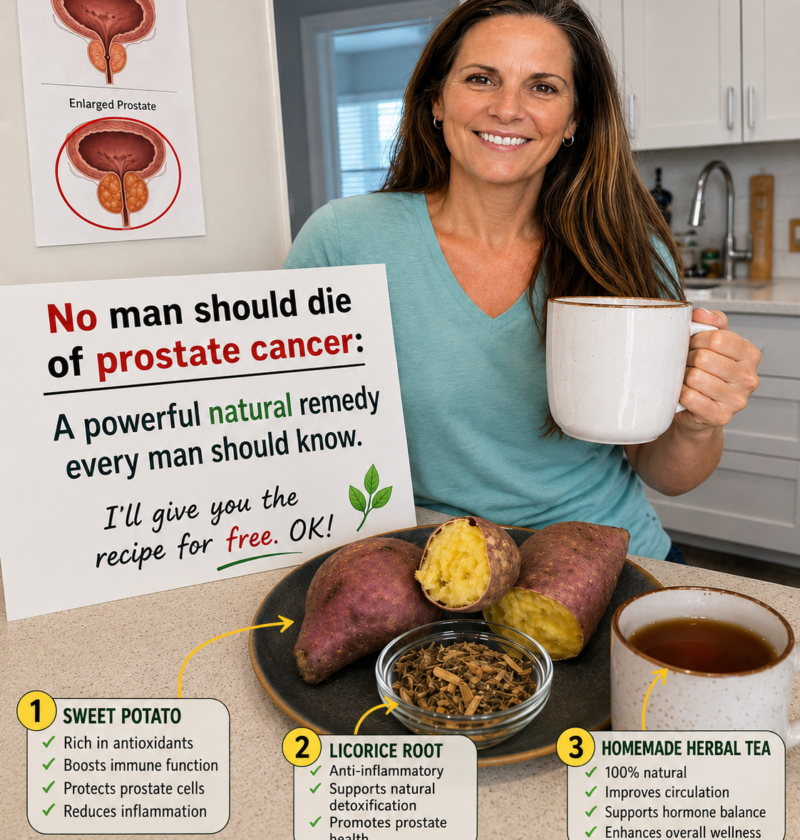
🌿 A Modern Approach to Prostate Wellness Begins at Home
In today’s home, wellness is no longer hidden in medicine cabinets or reserved for doctor’s appointments. It is part of the kitchen counter, the morning routine, the cup of tea beside a laptop, and the quiet choices people make every day. For many men, prostate health is one of those subjects that feels important but uncomfortable to discuss. Yet the more naturally it becomes part of everyday living, the easier it is to approach with confidence, calm, and consistency.
Prostate wellness is not about chasing miracle cures or relying on one dramatic ingredient. It is about building a smarter environment around the body: better food choices, more balanced routines, regular medical conversations, and a home lifestyle that supports long-term health. A warm kitchen, a simple herbal drink, a plate rich in colorful vegetables, and a thoughtful evening routine can become part of a broader wellness rhythm.
This matters because prostate cancer and prostate-related concerns are often silent in the early stages. The CDC notes that many men with prostate cancer have no symptoms, while possible symptoms can include frequent urination, difficulty urinating, blood in urine or semen, or persistent pain in the back, hips, or pelvis. Anyone with symptoms should speak with a doctor rather than trying to self-treat at home. (CDC)
Still, a healthy home routine has real value. Food, hydration, movement, and stress management can support overall wellness, improve daily comfort, and help men feel more involved in their health. The key is to see natural habits as support — not as a replacement for screening, diagnosis, or professional treatment.
🍠 Why Prostate Wellness Matters in Modern Homes
A modern home is more than a place to sleep. It is where people recover, eat, think, work, connect, and create habits that shape their health over time. When prostate wellness becomes part of home life, it removes some of the fear around the topic. Instead of feeling like a distant medical issue, it becomes something practical and approachable.
A man may start his morning with warm herbal tea instead of a sugary drink. He may add sweet potatoes, leafy greens, tomatoes, beans, or whole grains to meals more often. He may keep water nearby while working. He may schedule a checkup after noticing changes in urination. These are not dramatic acts, but they are the kind of small decisions that build a stronger foundation.
Health organizations consistently emphasize the importance of overall lifestyle. The American Cancer Society recommends a healthy eating pattern that includes vegetables, fruits, whole grains, and limited highly processed foods as part of cancer prevention guidance. (Cancer.org) The National Cancer Institute also explains that research on prostate cancer, nutrition, and supplements is mixed, which is exactly why balanced habits are more reliable than extreme promises. (Institut National du Cancer)
This is where a home-centered wellness routine becomes powerful. It does not claim to cure disease. It creates a calm, supportive environment where better choices become easier.
🏡 How Prostate-Friendly Habits Shape the Atmosphere of a Home
Wellness has an atmosphere. You can feel it when a kitchen is clean, when ingredients are fresh, when a cup of tea is prepared slowly, and when meals feel intentional instead of rushed. For men dealing with health concerns, that atmosphere can make a difference emotionally.
A thoughtful wellness corner in the kitchen can create a sense of order. A glass jar of herbal tea, a bowl of sweet potatoes, a container of pumpkin seeds, a bottle of olive oil, and fresh vegetables in view can quietly encourage better choices. The space begins to communicate care.
The effect is not only physical. It is emotional. A man who feels supported at home may be more likely to maintain healthy routines, talk openly about symptoms, and take screening seriously. The home becomes less about fear and more about daily responsibility.
🍵 Calmness, Comfort, and the Daily Ritual Effect
One of the most underrated parts of prostate wellness is routine. Many people look for powerful answers, but the strongest habits are often quiet and repeatable.
A warm drink in the evening can signal the end of a stressful day. A balanced breakfast can reduce the need for processed snacks. A planned dinner can help avoid late-night heavy meals. A walk after eating can support digestion, mood, and weight management.
These rituals create emotional comfort. They help men feel like they are doing something positive without turning life into a strict medical program. That balance matters. A routine that feels punishing rarely lasts. A routine that feels calming can become part of identity.
For example, a simple evening routine might include:
- A light dinner with vegetables, fiber-rich foods, and healthy fats
- A caffeine-free herbal tea
- A short walk or gentle stretching
- A reminder to track symptoms or questions for the doctor
- A consistent sleep schedule
This kind of rhythm supports the whole person, not just one organ.
🌱 Visual Appeal: Why Healthy Ingredients Belong on Display
There is a design element to wellness that many blogs ignore. Healthy choices become easier when they are visible and beautiful.
Sweet potatoes in a ceramic bowl, fresh herbs near the window, glass jars of dried tea blends, and a clean wooden cutting board can make a kitchen feel more intentional. When the healthiest items are hidden away and processed snacks are the most visible, the home quietly encourages the wrong habits.
A prostate-conscious kitchen does not need to look clinical. In fact, it should feel warm and inviting. Think natural textures, soft lighting, clean counters, and ingredients that look abundant rather than restrictive.
Sweet potatoes, for example, bring color and warmth to the counter. They are rich in nutrients and fiber, and they can be used in comforting meals without feeling like “diet food.” Herbal teas can add a ritual element. Olive oil, tomatoes, leafy greens, beans, nuts, and whole grains can create meals that feel premium, satisfying, and nourishing.
🧼 Cleanliness Perception and Health Confidence
A clean kitchen often changes how people behave. When counters are clear, ingredients are organized, and cooking tools are easy to reach, preparing a better meal feels less like work. Cleanliness also creates a perception of control, which is important when discussing health topics that can feel uncertain.
This does not mean the home has to be perfect. It means the environment should reduce friction. A man is more likely to make tea if the mug, kettle, and tea blend are ready. He is more likely to eat a balanced lunch if healthy ingredients are visible. He is more likely to drink water if a bottle is nearby.
Wellness is often less about motivation and more about setup.
🍽️ Where Prostate Wellness Fits in the Home
🍳 Kitchen: The Center of the Routine
The kitchen is the natural starting point. It is where food choices happen, and food choices influence weight, energy, inflammation patterns, and overall wellness. A kitchen that supports prostate health should make whole foods easy.
Practical ideas include keeping roasted sweet potatoes ready for meals, using beans and lentils as fiber-rich staples, adding tomatoes to sauces and soups, and choosing whole grains more often than refined carbohydrates.
A high-quality kitchen setup can also improve consistency. Sharp knives, glass storage containers, a good kettle, a blender, and a quality baking tray make healthy food easier to prepare. This is where commercial intent fits naturally: people do not need luxury for wellness, but better tools can make the routine more enjoyable and sustainable.
🛋️ Living Room: The Space for Calm and Conversation
The living room is where health conversations can become less intimidating. A man may be more open to talking about symptoms or checkups in a relaxed space than in a stressful moment.
It is also a place for better evening habits. Replacing late-night snacking with herbal tea, keeping water nearby, or doing light stretching while watching television can gently shift the routine.
A calming living room supports emotional comfort. Soft lighting, fewer distractions, and a cleaner layout can make the evening feel less chaotic, which helps reduce stress-driven habits.
🚿 Bathroom: Awareness Without Anxiety
The bathroom is often where men first notice urinary changes. Frequent urination, weak flow, difficulty starting urination, or blood in urine should not be ignored. The CDC advises seeing a doctor right away for concerning symptoms, while also noting that symptoms may come from conditions other than cancer. (CDC)
A practical home tip is to keep a simple symptom note on the phone. Not obsessive tracking, just useful awareness: when symptoms started, how often they happen, and whether they are changing. This makes doctor conversations clearer.
🚪 Entryway: Movement Starts Here
The entryway can support daily movement. Shoes placed neatly near the door, a light jacket ready for walks, and a visible reminder can make physical activity easier. Regular movement supports weight management and overall health, both of which are often included in cancer prevention lifestyle guidance. (Cancer.org)
💻 Workspace: Hydration, Posture, and Breaks
Many men spend long hours sitting. A workspace designed for health should include water within reach, scheduled movement breaks, and fewer sugary snacks. A simple mug of unsweetened tea can replace constant coffee or sweet drinks for some people, especially later in the day.
The goal is not perfection. The goal is to make healthier choices the default.
🛒 How to Choose the Best Prostate-Wellness Products for Home Use
The best prostate-wellness products are not the ones with the loudest claims. They are the ones that support consistent, realistic habits.
For food and kitchen routines, look for:
- Whole, recognizable ingredients
- Low added sugar
- High fiber options
- Minimal processing
- Good freshness and storage quality
- Clear ingredient labels
For herbal teas, choose blends that are caffeine-free if used at night, clearly labeled, and purchased from reputable brands. Men taking medication or dealing with a diagnosis should ask a healthcare professional before using concentrated herbs or supplements, because “natural” does not automatically mean safe for everyone.
For supplements, be especially careful. The National Cancer Institute notes that evidence around many prostate-related supplements is mixed, and some nutrients may not have enough evidence to prove prevention or treatment benefits. (Institut National du Cancer)
A premium wellness product should feel transparent, not exaggerated. Avoid products that promise to cure cancer, shrink tumors, or replace medical treatment.
⭐ Premium vs Regular: What Actually Makes a Difference?
Premium does not always mean expensive. In prostate wellness, premium means trustworthy, consistent, and thoughtfully made.
A premium herbal tea may have cleaner sourcing, better packaging, fresher aroma, and clearer ingredient information. A premium storage container may keep cooked vegetables fresh longer. A premium kettle may make the evening tea ritual more enjoyable. A premium cutting board or knife may encourage more home cooking.
Regular products can still work well, especially when they are simple and honest. The difference is usually in durability, experience, and consistency. If a product makes healthy habits easier to repeat, it has real value.
The mistake is paying more for dramatic claims instead of paying for quality.
⚠️ Common Mistakes Buyers Make
Many people buy prostate-health products when they are worried, and worry can make marketing more powerful. That is when mistakes happen.
Common buyer mistakes include:
- Trusting “miracle cure” language
- Replacing doctor visits with home remedies
- Taking multiple supplements without checking interactions
- Buying products without reading ingredients
- Assuming natural means risk-free
- Focusing on one ingredient instead of the full lifestyle
- Ignoring symptoms because they are using a home remedy
A smarter approach is calm and balanced. Use food, tea, movement, and better routines as support, while keeping medical care at the center.
🌿 Practical Usage Ideas in Modern Homes
A prostate-wellness routine can feel elegant and simple when it fits naturally into daily life.
Try roasted sweet potatoes with olive oil and herbs as a dinner side. Prepare a tomato-rich vegetable soup for the week. Keep herbal tea in a glass jar near the kettle. Add pumpkin seeds to salads or oatmeal. Keep a water bottle at the workspace. Create a weekly “men’s health check-in” reminder to schedule appointments, review symptoms, or prepare questions for the doctor.
These details may seem small, but they create a lifestyle that feels supportive rather than stressful.
And this is where the real transformation begins: not with a secret recipe, but with a home that quietly makes better health easier every single day.