🥗 How to Prepare Edible Cactus at Home
One of the most exciting parts of learning about cactus as the plant of life is discovering that edible cactus can actually be prepared in a simple home kitchen. For people who have only seen cactus as a decorative plant, this can feel surprising at first. But once the fear of the spines and unfamiliar texture fades, cactus begins to feel much more approachable.
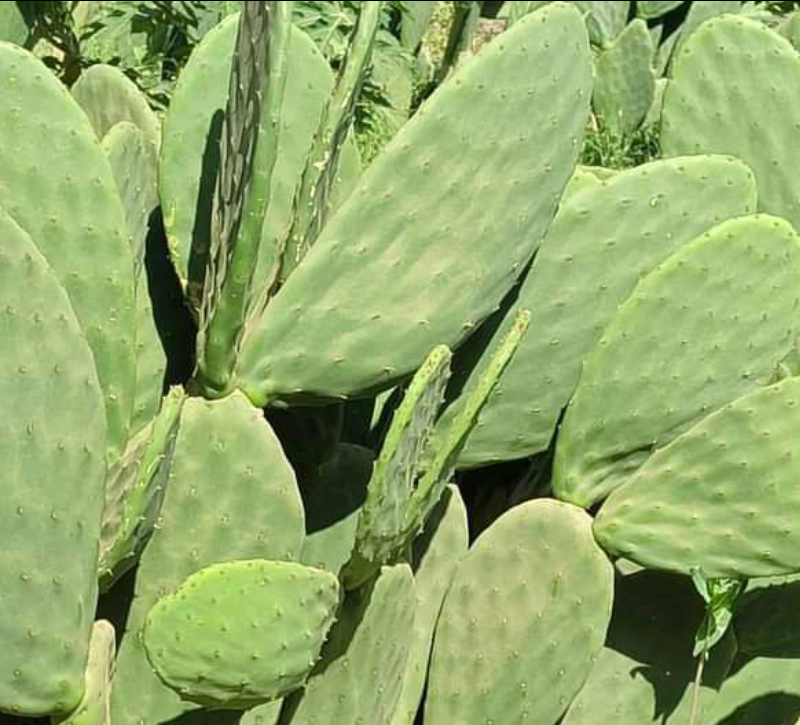
The most common edible form is the nopal pad from prickly pear cactus. Fresh pads need to be cleaned carefully to remove spines and rough spots. In many places, markets sell them already cleaned, which makes the process easier for beginners. Once cleaned, the pads can be sliced into strips or cubes and cooked in a variety of ways.
One thing that often surprises first-time cooks is the texture. Cactus can release a slippery substance when cut and heated, somewhat like okra. This is completely normal. Some people enjoy it, while others prefer methods that reduce it, such as grilling, rinsing sliced cactus, or cooking it with acidic ingredients like tomato or lime. The key is not to panic. Familiarity changes the experience quickly.
🌵 Basic Cactus Pad Preparation
What you need:
Fresh cleaned nopal pads
A sharp knife
Water for rinsing
A pan or grill
A little oil, optional
Salt, lime, tomato, onion, or herbs, optional
Simple method:
Rinse the cleaned cactus pads well. Slice them into thin strips or small cubes. If you want a softer, home-style preparation, sauté them in a pan with a small amount of oil and optional onion or tomato. If you prefer a firmer texture and less slipperiness, grill the whole pads first, then slice them once cooked. Finish with lime juice, herbs, or seasoning of your choice.
This approach keeps the ingredient simple and lets you learn its character without overwhelming it. As with many traditional foods, the first goal is not perfection. It is familiarity.
🍉 How to Use Prickly Pear Fruit
The fruit of the prickly pear cactus is another beloved part of the plant of life story. The fruit is colorful, mildly sweet, and often used in drinks, fresh preparations, jams, and other recipes. It must also be handled carefully because the outer skin can carry tiny irritating spines. Once peeled, however, the interior becomes much easier to enjoy.
Prickly pear fruit can be blended into drinks, added to fruit bowls, or used in simple refreshing recipes. Its vivid color alone makes it memorable, but what keeps people interested is the combination of desert origin and juicy interior. It feels like a hidden reward inside a tough shell, which fits the symbolism of cactus beautifully.
📝 Step-by-Step Ways to Add Cactus to Everyday Life
Step 1: Start with prepared cactus if possible
If you are new to cactus, buying cleaned nopal pads from a market can make the first experience much easier. Removing spines at home is possible, but beginners often enjoy the process more when that step is already done.
Step 2: Choose a simple recipe first
Do not start with an elaborate wellness project. Begin with a straightforward preparation like grilled cactus strips, a warm cactus-and-tomato sauté, or a simple salad with cooked nopal, onion, and lime.
Step 3: Use flavors that help the cactus shine
Lime, tomato, onion, garlic, chili, herbs, and eggs are all common partners because they support the cactus without hiding it. These combinations also make the dish feel more familiar to people trying cactus for the first time.
Step 4: Treat prickly pear fruit gently
If using the fruit, peel it carefully and enjoy it chilled, blended, or as part of a colorful fresh preparation. The fruit is often the easiest way for many people to appreciate cactus at first.
Step 5: Build routine through familiarity
As with any traditional ingredient, cactus becomes easier and more enjoyable with repetition. The goal is not to force it into every meal. It is to let one or two preparations become familiar enough that the plant stops feeling exotic and starts feeling useful.
⏰ Best Daily or Weekly Routines for Enjoying Cactus
The beauty of cactus is that it does not need to become a dramatic ritual to be meaningful. In fact, it often works best when folded quietly into ordinary life. That is where its “plant of life” reputation feels most authentic. It is not about spectacle. It is about usefulness.
🌞 Morning routine
Cooked nopal can be added to breakfast dishes such as eggs or savory vegetable combinations. This is one of the easiest entry points because the cactus becomes part of a familiar meal instead of standing alone.
🥗 Lunch routine
Cactus fits beautifully in light lunches, especially salads or grain and vegetable bowls where its tart, green character can brighten the plate. It helps simple food feel more interesting.
🍽️ Dinner routine
At dinner, grilled or sautéed cactus can sit beside beans, vegetables, or other traditional ingredients. Because it brings both texture and freshness, it can make a meal feel more layered without becoming heavy.
🍹 Fruit-focused routine
Prickly pear fruit works well as an occasional refreshing ingredient in drinks or fruit bowls. It is especially appealing in warm weather when people want something colorful and hydrating-feeling.
The smartest routine is not necessarily daily. Weekly use can be just as meaningful if it leads to a more diverse, tradition-rooted way of eating. Cactus does not need to dominate the kitchen to earn its place there.
🌟 Additional Benefits of Bringing Cactus Into Your Lifestyle
People may first become interested in cactus because of the nickname plant of life, but many continue exploring it for reasons that go beyond symbolism. One major benefit is simple culinary diversity. Cactus introduces a new texture, flavor, and cultural story into the kitchen. That alone can make meals more interesting and more intentional.
Another benefit is that cactus often encourages people to learn about the food traditions of arid regions and the resourcefulness of communities that have long worked with the land rather than against it. This creates a richer relationship with food. Instead of seeing ingredients only as nutrients, people start seeing them as carriers of history, adaptation, and wisdom.
Cactus also offers aesthetic value without needing to be shallow. It is visually dramatic, whether in the form of a pad, a vibrant fruit, or a prepared dish. This visual character makes it easier for people to stay curious and engaged. Healthy habits and meaningful food traditions are often easier to maintain when they are not boring.
There is even a mindset benefit. Cactus reminds people that strength does not always look lush or obvious. Sometimes it looks guarded, efficient, and patient. Many readers find that symbolism inspiring in daily life, especially during difficult seasons. In that sense, cactus nourishes more than the plate. It nourishes perspective.
🥗 Lifestyle Tips Inspired by the Plant of Life
One of the most interesting things about cactus is that it can shape how people think, not just what they eat. The plant of life nickname invites broader reflection on resilience and simplicity.
💧 Value your resources
Cactus stores what it needs and uses it wisely. This can inspire a more thoughtful approach to energy, food, hydration, and daily habits. Not everything must be wasted or rushed.
🌿 Respect slow strength
Cactus does not grow frantically. It grows with intelligence. That is a powerful reminder that health and change often come through patience rather than constant intensity.
🍽️ Explore traditional foods
Learning to prepare plants like nopal can reconnect people with food cultures that valued practicality, local ingredients, and deep respect for the environment.
🏜️ Find beauty in difficult places
Cactus thrives where life seems sparse. That symbolism can be comforting. It suggests that growth remains possible even when conditions are not perfect.
🧠 Choose usefulness over hype
Cactus is a good model for wellness itself. It does not need to shout to matter. Its value is proven by usefulness, not by flashy promises.
⚠️ Common Mistakes People Should Avoid
Confusing all cactus varieties as edible
This is one of the biggest mistakes. Not every cactus should be eaten. When people discuss edible cactus, they usually mean specific varieties such as nopal or prickly pear. Identification matters.
Handling fresh cactus carelessly
Spines and tiny prickly hairs can cause irritation. Proper cleaning and careful handling are essential when working with fresh cactus pads or fruit.
Expecting a miracle ingredient
Cactus is interesting and tradition-rich, but it is not magic. It fits best within a balanced diet and grounded lifestyle, not as a cure-all.
Giving up after one texture surprise
Many people are startled by the natural slipperiness of cactus. That does not mean they dislike the ingredient. Often it simply means they need a different preparation style.
Ignoring cultural context
Cactus has deep roots in real food traditions. Treating it only as a trend strips away part of what makes it meaningful. Learning the cultural story enriches the experience.
🛡️ Safety and Precautions
Although cactus may be called the plant of life, it still requires common sense. Only use cactus varieties that are known and intended for safe consumption. If you are unfamiliar with handling fresh pads or fruit, buying prepared edible cactus from a reliable market is often the easiest and safest way to begin.
Take care with spines and fine prickly hairs, especially on fruit. These can irritate the skin and mouth if not removed properly. Wash tools, boards, and hands carefully after handling fresh cactus.
As with any food, individual tolerance matters. Some people may enjoy cactus immediately, while others may prefer to start with small amounts and see how it fits into their diet. Sensible portions and simple recipes are often the best entry point.
It is also important to keep expectations realistic. Cactus can be part of a plant-rich, culturally grounded lifestyle, but it is not a substitute for medical care or a shortcut around broader habits that support health. The wisest approach is to appreciate it as a meaningful food and symbol, not as a miracle claim.
❓ Frequently Asked Questions
1. Why is cactus called the plant of life?
Because it symbolizes resilience, stores water, survives harsh environments, and in some traditions provides edible pads and fruit that helped sustain life in dry regions.
2. Which cactus do people usually mean?
Most often they mean edible prickly pear cactus, especially nopal pads and prickly pear fruit.
3. Can all cactus be eaten?
No. Only certain varieties are commonly used as food. Proper identification is very important.
4. What does edible cactus taste like?
It is often described as fresh, green, slightly tart, and unique in texture. The exact experience depends on how it is prepared.
5. What is the best way to try cactus for the first time?
Starting with cleaned nopal in a simple cooked dish or trying peeled prickly pear fruit is usually easiest for beginners.
6. Why is cactus sometimes slippery?
Like some other plants, cactus releases a natural mucilage when cut or cooked. Different cooking methods can reduce that texture if preferred.
7. Is cactus mainly food or symbolism?
It is both. In some cultures it is an important traditional food, and in many modern conversations it also represents resilience, endurance, and life.
8. Is cactus a medical remedy?
It is best viewed as a traditional food and meaningful plant rather than a replacement for medical advice or treatment.
🏁 Final Thoughts: Why Cactus Still Deserves the Name Plant of Life
The cactus does not ask for admiration in the way many other plants do. It does not drape itself in softness or depend on perfect conditions to survive. It simply persists. It learns the landscape. It stores what matters. It protects its core. And, in certain forms, it offers nourishment from a place where many would expect only scarcity. That is why the nickname plant of life feels so fitting.
To understand cactus is to understand that life can be resourceful. It can be disciplined. It can be protective and generous at the same time. The edible cactus, especially nopal and prickly pear, turns that idea into something tangible. It moves the plant from symbol to plate, from metaphor to meal, from desert image to lived usefulness. Few plants manage to do both so well.
What makes cactus especially powerful today is that it speaks to several modern needs at once. It reminds people to respect traditional foods. It offers a plant-based ingredient that feels rooted rather than manufactured. It reflects resilience in a time when many feel overstretched. And it quietly challenges the idea that only lush, easy things are life-giving. Sometimes the things that sustain us most are the ones that learned how to endure first.
That is the deeper beauty of the cactus story. It is not just about what the plant contains. It is about what the plant teaches. Strength can be quiet. Nourishment can come from unexpected places. Survival can be beautiful. Simplicity can still carry wisdom. And a plant does not need to be soft to be full of life.
So whether you are exploring cactus as a traditional food, admiring it as a symbol of endurance, or simply curious about why so many people call it the plant of life, the answer is ultimately the same. Cactus earns that title not through hype, but through history, usefulness, and meaning. It has fed, inspired, and endured. And in a world searching for more grounded forms of wellness, that may be exactly the kind of plant people need to remember.
In the end, the cactus stands as a quiet reminder that life is not always lush, easy, or obvious. Sometimes it is careful, protected, adaptive, and strong. Sometimes it carries thorns and still gives fruit. And sometimes, the toughest plant in the landscape turns out to be one of the most life-affirming of all.