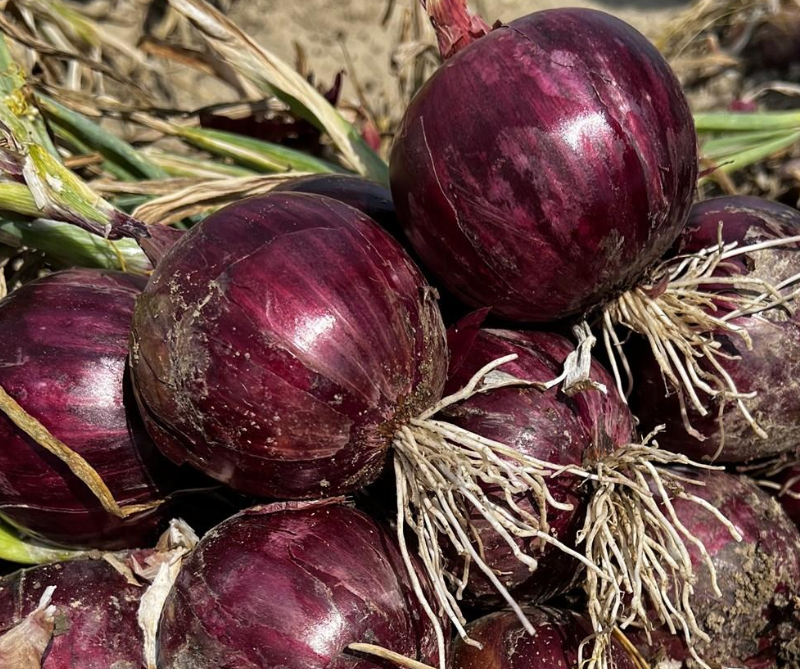
🍽 How to Include Red Onion in Everyday Meals
One of the greatest advantages of red onions is how easy they are to include in everyday cooking. Unlike some specialized health foods that require complicated recipes or expensive ingredients, red onions can be added to many familiar dishes.
Their slightly sweet flavor and crisp texture make them particularly popular in salads, sandwiches, and fresh vegetable dishes.
Because red onions can be eaten both raw and cooked, they offer flexibility in meal planning. Cooking methods such as roasting, sautéing, and grilling can bring out different flavor profiles while still providing nutritional benefits.
Let’s explore practical ways to incorporate red onions into daily meals.
Fresh Salads
Thinly sliced red onions add color, crunch, and flavor to salads.
They pair especially well with:
• tomatoes
• cucumbers
• leafy greens
• avocado
• feta cheese
For a milder taste, soaking sliced onions in cold water for about 10 minutes before adding them to salads can reduce sharpness.
Vegetable Stir-Fries
Red onions work beautifully in stir-fry dishes.
Simply sauté them with vegetables such as:
• bell peppers
• broccoli
• mushrooms
• snap peas
Adding onions early in the cooking process allows them to soften and develop a natural sweetness.
Whole-Grain Bowls
Grain bowls made with brown rice, quinoa, or farro often include vegetables, legumes, and healthy fats.
Red onions can be added either raw or lightly grilled to enhance both flavor and nutritional diversity.
Salsas and Fresh Toppings
Red onions are a classic ingredient in fresh salsa.
A simple salsa might include:
• chopped tomatoes
• red onion
• cilantro
• lime juice
• a pinch of sea salt
This mixture can be used as a topping for grilled vegetables, fish, or whole-grain dishes.
Roasted Vegetables
Roasting red onions with other vegetables brings out their natural sweetness.
Try roasting them alongside:
• carrots
• zucchini
• sweet potatoes
• cauliflower
A drizzle of olive oil and a sprinkle of herbs can transform this into a flavorful side dish.
🌞 Daily Habits That Support Healthy Blood Sugar
While certain foods may contribute beneficial nutrients, balanced blood sugar levels are influenced by overall lifestyle habits.
Here are some daily practices that can help support metabolic health.
Balanced Meals
Meals that combine carbohydrates, protein, healthy fats, and fiber are often digested more gradually than meals dominated by refined carbohydrates.
For example, pairing whole grains with vegetables, legumes, and healthy fats may help promote steady energy levels.
Regular Physical Activity
Movement helps the body use glucose more efficiently.
Activities such as walking, cycling, swimming, or strength training can contribute to metabolic balance.
Adequate Sleep
Sleep plays a crucial role in hormone regulation.
Poor sleep patterns can influence how the body manages blood sugar.
Most adults benefit from **7–9 hours of sleep per night**.
Stress Management
Chronic stress can affect hormones that influence metabolism.
Practices such as meditation, deep breathing, or time spent in nature may help support overall wellness.
⚠️ Common Mistakes When Trying to Support Blood Sugar Naturally
When people attempt to improve metabolic health, certain misconceptions can arise.
Focusing on One “Superfood”
No single food can control blood sugar levels on its own.
Healthy metabolic balance depends on **overall dietary patterns** rather than individual ingredients.
Skipping Meals
Irregular eating patterns can lead to fluctuations in energy levels and appetite.
Consistent meal timing may help support stable metabolism.
Overlooking Fiber
Fiber plays an important role in slowing digestion and supporting balanced glucose levels.
Foods rich in fiber include:
• vegetables
• legumes
• whole grains
• nuts and seeds
Ignoring Hydration
Water is essential for nearly every metabolic process in the body.
Staying hydrated supports digestion, circulation, and energy balance.
🛡 Safety and Precautions
Red onions are widely consumed and generally safe for most people as part of a balanced diet.
However, a few considerations may apply.
Some individuals may experience digestive sensitivity when consuming large quantities of raw onions. Cooking onions can make them easier to digest.
People with specific medical conditions related to blood sugar should always consult a healthcare professional before making significant dietary changes.
Nutrition can support wellness, but it should not replace professional medical advice or treatment.
❓ Frequently Asked Questions
1. Can red onions lower blood sugar on their own?
No single food can control blood sugar independently. Red onions contain beneficial nutrients, but overall dietary patterns play a much larger role.
2. Are raw onions healthier than cooked onions?
Both raw and cooked onions provide nutrients. Cooking may reduce some compounds but also enhances flavor and digestibility.
3. How often should red onions be eaten?
They can be included regularly as part of balanced meals with vegetables, whole grains, and proteins.
4. Do onions contain sugar?
Yes, onions naturally contain small amounts of natural sugars, but they are also rich in fiber and nutrients.
5. Can onions be included in low-carbohydrate diets?
Yes, onions are relatively low in carbohydrates and are often used in many dietary patterns.
6. What is the healthiest way to cook onions?
Light sautéing, roasting, or grilling are popular methods that maintain flavor while preserving many nutrients.
🌟 Final Thoughts: A Simple Kitchen Ingredient With Surprising Potential
Red onions may not look like a typical “health food,” yet they contain a remarkable combination of nutrients, antioxidants, and plant compounds that have attracted growing attention from nutrition researchers.
Their natural flavonoids, fiber content, and vibrant pigments contribute to their reputation as a nutrient-dense vegetable.
However, the most important lesson is not about any single food.
Balanced blood sugar levels depend on **consistent lifestyle habits**, including nutritious meals, regular movement, good sleep, and stress management.
When included as part of a varied and balanced diet, red onions can add flavor, color, and valuable nutrients to everyday meals.
Sometimes, the most powerful additions to a healthy lifestyle are already in our kitchens—simple ingredients that have been part of traditional diets for generations.
And the humble **red onion** is a perfect example of how everyday foods can play a role in supporting long-term wellness.