🍵 How to Prepare Guava Leaf Tea at Home
One of the best things about guava leaf tea is that it does not demand an elaborate kitchen setup. You do not need a juicer, a specialty machine, or a long shopping list. If you have good-quality guava leaves, clean water, and a small pot or kettle, you already have the foundation. That simplicity is part of the tea’s enduring charm. It feels closer to real life than many highly marketed wellness drinks.
The first choice is whether to use fresh or dried leaves. Fresh guava leaves often produce a brighter, greener herbal note, while dried leaves tend to create a deeper, more concentrated flavor. Neither is automatically better. It depends on availability and preference. In regions where guava trees are common, fresh leaves may feel natural and easy. In other places, dried leaves may be the more practical option and can still make an excellent tea if they are clean and stored well.
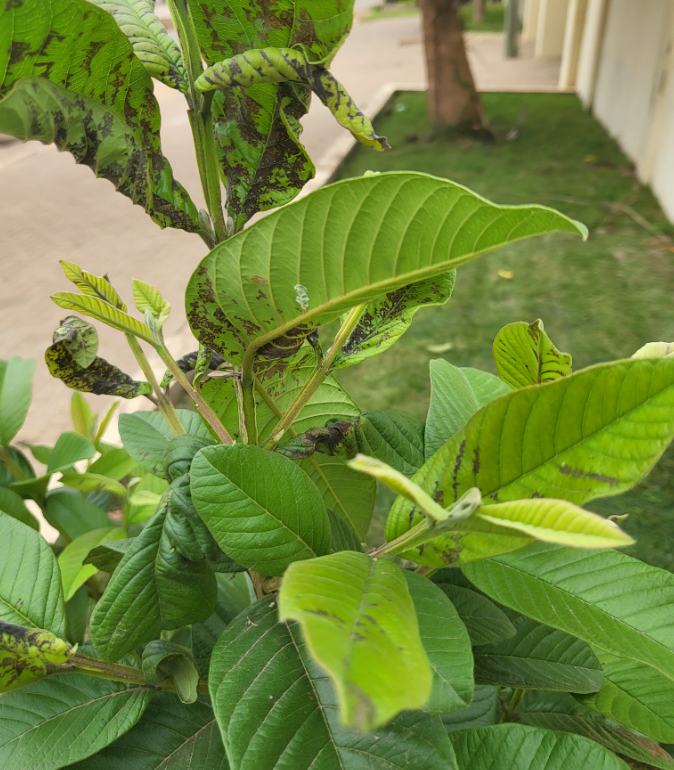
Leaf quality matters a great deal. Choose leaves that look healthy, intact, and free from dirt or damage. If using fresh leaves, wash them thoroughly before brewing. If using dried leaves, make sure they smell clean and herbal rather than dusty or stale. Because the recipe is so simple, the ingredients speak loudly. Good leaves produce a good cup.
Guava leaf tea can be made by steeping or by simmering. A shorter steep tends to create a milder cup, while a gentle simmer extracts a stronger, more assertive herbal flavor. Many traditional preparations lean toward simmering, especially when the goal is a more robust tea. Modern drinkers, however, often prefer a gentler brew at first, especially while they are getting used to the taste.
🛒 Basic Ingredients for Guava Leaf Tea
The most basic version requires only guava leaves and water. That is enough. However, some people like to add lemon, ginger, mint, cinnamon, or a small amount of honey after brewing. These additions can soften bitterness or create a more aromatic experience, but they should support rather than overwhelm the leaves. The goal is still to taste guava leaf tea, not to hide it completely.
For a first experience, simplicity is usually best. Brew the leaves plain, taste the result, and then decide what kind of variation suits you.
👩🍳 Step-by-Step Instructions for the Perfect Guava Leaf Tea
🌿 Step 1: Select and Clean the Leaves
If you are using fresh guava leaves, start by selecting a small handful of healthy leaves. Younger leaves may taste slightly milder, while mature leaves can produce a stronger tea. Rinse them well under clean running water to remove dust and any surface residue. If the leaves are very large, you can tear them slightly to help release their flavor more easily.
If you are using dried leaves, measure out a modest amount and give them a quick visual check. They should look dry but not brittle to the point of crumbling into dust.
💧 Step 2: Bring Water to a Gentle Boil
Pour water into a small pot and bring it to a gentle boil. Avoid the temptation to use too little water, especially if you are simmering the leaves for several minutes. A balanced ratio gives the tea room to develop without becoming overly concentrated or harsh.
This step seems simple, but it shapes the final flavor. Too much aggressive boiling can flatten delicate herbal notes, while too little heat may produce a weak brew.
🔥 Step 3: Add the Leaves and Simmer or Steep
Once the water is hot, add the guava leaves. For a mild tea, turn off the heat and let the leaves steep for several minutes. For a stronger cup, reduce the heat and let the leaves simmer gently. The liquid will begin to take on a pale greenish-brown tone and a soft herbal aroma.
A longer brew creates more intensity, but it can also bring more bitterness. When starting out, it is wise to stay on the lighter side until you learn your taste preference.
⏳ Step 4: Let the Tea Rest Briefly
After simmering or steeping, allow the tea to sit for a moment before straining. This brief rest gives the leaves a little more time to infuse and allows the temperature to come down slightly. That makes the first sip easier to evaluate.
Herbal teas often reveal more character after a short rest than they do at a rolling boil.
🫗 Step 5: Strain and Serve
Strain the tea into a cup or teapot. At this stage, you can leave it plain or add a small finishing touch like lemon or a little honey. Taste first before adding anything. Guava leaf tea has a character worth noticing on its own, and you may find you enjoy its earthy seriousness more than expected.
Serve warm for comfort, or cool it later for an iced version if that suits your routine better.
🍋 Easy Flavor Variations for Guava Leaf Tea
Not everyone falls in love with guava leaf tea at first sip, and that is perfectly normal. The taste is herbal, slightly bitter, and more functional than indulgent. A few thoughtful additions can make it more approachable without stripping away its identity.
Lemon is one of the easiest choices. A squeeze of fresh lemon brightens the tea and gives it more lift. Ginger adds warmth and can make the brew feel more comforting, especially in cooler weather. Mint creates a fresher, cleaner finish that works beautifully in iced versions. Cinnamon adds a soft aromatic note and can make the tea feel more rounded.
The key is restraint. One simple addition is often enough. Too many extra ingredients turn the tea into something else entirely. Guava leaves deserve to remain at the center.
You can also experiment with temperature. Some people who find the hot tea too intense discover they enjoy it much more chilled over ice with a slice of lemon. The bitterness tends to feel different in cold form, often lighter and more refreshing.
⏰ Best Times to Drink Guava Leaf Tea
Guava leaf tea is flexible enough to fit into different parts of the day, which is one reason it adapts so well to real-life routines. In the morning, it can be a gentle way to begin the day for those who do not want caffeine right away. It offers warmth and herbal focus without the stimulating edge of coffee or black tea.
After meals, it can feel especially appropriate. Many people naturally enjoy unsweetened herbal drinks in this space because they create a sense of closure and lightness. Guava leaf tea’s slightly serious, astringent quality makes it especially suited to that role.
In the afternoon, it can become a calming alternative to a second or third caffeinated drink. This is a valuable use because many people want something flavorful at that time but do not want to interfere with sleep later. Guava leaf tea provides the comfort of a cup without pushing the nervous system harder.
In the evening, a mild brew may suit those who enjoy herbal rituals before bed. Since it is caffeine-free, it fits naturally into calmer nighttime routines, especially when taken plain or with a simple addition like a little mint.
🗓️ Daily Routines That Work Well With Guava Leaf Tea
A tea becomes truly valuable when it fits into a routine that feels natural rather than forced. One of the easiest ways to use guava leaf tea is as a post-lunch or post-dinner habit. This creates a clear place for it in the day and helps it feel linked to a moment of transition and digestion rather than random consumption.
Another good routine is the calm morning cup. For people who want something warm before breakfast or before starting work, guava leaf tea can provide a small ritual that feels grounded and clean. This can be especially useful for those trying to reduce sugary breakfast drinks or late-morning snacking.
Some people also enjoy batching it. A larger amount can be brewed, cooled, and kept in the refrigerator for a short time, making it easy to pour over ice later. This works especially well in warm climates where herbal iced drinks feel more appealing than hot ones.
The best routine is always the one that feels repeatable. Guava leaf tea does not need to be used in a rigid or extreme way. Even a few times a week can be enough for it to become a meaningful part of a balanced, plant-friendly lifestyle.
🌟 Additional Benefits of Making Guava Leaf Tea at Home
Home preparation brings its own set of advantages beyond the tea itself. One of them is cost. Compared with many bottled wellness beverages or specialty herbal blends, homemade guava leaf tea can be refreshingly affordable, especially if leaves are already available from a tree or easy to buy dried. That affordability matters because sustainable health habits are usually the ones people can continue without financial strain.
Another benefit is ingredient control. When you make the tea yourself, you decide how strong it is, whether anything is added, and how fresh the preparation feels. There are no mystery sweeteners, preservatives, or marketing-driven extras. For many readers, that transparency is a major part of the appeal.
Home brewing also encourages a more intentional relationship with plants. Instead of consuming wellness as a finished product, you participate in creating it. That can make the habit more satisfying and more likely to last.
Finally, there is the pleasure of ritual. Even simple kitchen routines can feel grounding when repeated with care. Boiling water, steeping leaves, and pouring a warm cup can become a moment of pause in a busy day. That alone makes the tea more powerful than its ingredient list might suggest.
🧘 Lifestyle Tips That Make Guava Leaf Tea More Meaningful
Guava leaf tea works best when it is part of a bigger pattern of thoughtful living. That does not mean a perfect lifestyle. It means simple habits that help the tea make sense in context. Pairing it with balanced meals is a good start. Herbal drinks tend to shine when the rest of the diet includes real foods, plenty of produce, and reasonable hydration.
It also helps to keep expectations realistic. Guava leaf tea is not meant to carry an entire wellness routine on its own. Its value grows when it complements other healthy choices such as adequate sleep, regular movement, and mindful eating. In that kind of environment, even a small herbal habit can feel surprisingly supportive.
Another useful tip is to pay attention to how your body and palate respond. Some people love a strong brew. Others do better with a lighter version and a little lemon. Building a personal relationship with the tea is more effective than following a rigid formula.
Finally, let the tea remain enjoyable. A good herbal habit should feel like care, not punishment. If the flavor is too harsh, adjust it. If hot tea is not your thing, try it chilled. Flexibility is one of the reasons plant-based routines survive.
⚠️ Common Mistakes People Make With Guava Leaf Tea
One of the most common mistakes is brewing the tea far too strong on the first try. Because guava leaves have a naturally assertive character, overboiling them can produce a cup that feels uncomfortably bitter and discourages future use. Start milder and build from there.
Another mistake is using leaves that are not clean or properly sourced. Since this is a simple preparation, leaf quality matters more than people often expect. Dirty, damaged, or poorly stored leaves will affect both flavor and peace of mind.
Some people also add too many ingredients in an attempt to “improve” the tea. Guava leaf tea can absolutely be paired with lemon, ginger, or mint, but if too many flavors are layered on top, the identity of the tea disappears. It becomes impossible to know whether you actually like the leaves themselves.
A final mistake is turning the tea into an exaggerated health promise. Herbal drinks tend to work best as supportive rituals, not as miracle solutions. Expecting instant dramatic results can lead to disappointment and distract from the real value of the habit.
🛡️ Safety and Sensible Precautions
Guava leaf tea is usually approached as a traditional herbal beverage, but basic caution still matters. Fresh leaves should be washed carefully, and dried leaves should come from a clean, trustworthy source. This is especially important because leaves may collect dust or residues if they are not handled properly.
Moderation is wise with any herbal drink. A balanced approach is better than assuming more is always better. Some people may prefer starting with a smaller cup or a lighter brew to see how it suits them personally. Because herbal responses can vary, paying attention to your own comfort is always sensible.
It is also important not to treat guava leaf tea as a replacement for medical advice or prescribed care. A tea can be a supportive part of a healthy lifestyle, but it is still just one part. People with specific health concerns, those who are pregnant or breastfeeding, or anyone following individual dietary guidance may want to think about how any herbal beverage fits into their overall routine.
The safest mindset is simple: enjoy guava leaf tea as a whole-food-style herbal infusion within a varied, realistic lifestyle. That is where it tends to be most valuable.
❓ Frequently Asked Questions About Guava Leaf Tea
1. What does guava leaf tea taste like?
Guava leaf tea usually tastes earthy, herbal, and slightly bitter with a mild astringent finish. Some people find it pleasantly grounding, while others prefer to soften it with lemon or mint.
2. Can I use fresh guava leaves instead of dried ones?
Yes. Fresh guava leaves are commonly used, especially in places where the tree grows easily. Just make sure they are clean and well washed before brewing.
3. Is guava leaf tea caffeine-free?
Yes. Guava leaf tea is a herbal infusion and does not naturally contain caffeine, which makes it a good option for those who want a non-stimulating drink.
4. How often can I drink guava leaf tea?
Many people enjoy it regularly as part of a varied routine, but moderation and variety are always sensible with herbal beverages. It does not need to replace every other drink to be useful.
5. Can I drink guava leaf tea cold?
Absolutely. It can be brewed, cooled, and served over ice. Some people actually prefer it this way, especially with a little lemon.
6. What can I add to make guava leaf tea taste better?
A little lemon, ginger, mint, cinnamon, or honey can help, depending on your taste. Start small so the leaves still remain the focus.
7. Are young or mature guava leaves better for tea?
Both can work. Younger leaves may taste a bit milder, while mature leaves often create a stronger, more robust cup. The best choice depends on your flavor preference.
8. Can guava leaf tea replace water?
No. It is best treated as a supportive herbal beverage alongside regular water intake, not as a complete substitute for hydration basics.
🏁 Expert-Style Conclusion: Why Guava Leaf Tea Deserves a Place in Modern Wellness
Guava leaf tea is one of those rare herbal drinks that manages to feel both ancient and timely. It carries the weight of traditional use without feeling trapped in the past. It fits neatly into modern natural living without needing to be transformed into something flashy or artificial. At its core, it remains beautifully simple: leaves, water, heat, and the quiet power of ritual.
That simplicity is exactly why it deserves attention. In a world where wellness is often overcomplicated, guava leaf tea offers a different path. It suggests that a useful habit can be made at home, enjoyed without caffeine, shaped to personal taste, and anchored in the wisdom of familiar plants. It may offer antioxidant-rich botanical interest, digestive comfort appeal, and a meaningful place in a balanced beverage routine. But even beyond those properties, it offers something equally valuable: a slower, more intentional way to care for yourself.
The tea’s slightly bitter, earthy character may not be designed for instant mass appeal, and that is part of what makes it special. It teaches the palate to appreciate herbs that feel functional, grounded, and real. It creates a space in the day that is less about stimulation and more about presence. Whether enjoyed warm after a meal, sipped slowly in the morning, or poured over ice on a hot afternoon, guava leaf tea has a way of making ordinary moments feel more considered.
Its real strength lies in context. No single drink can do everything, and guava leaf tea does not need to. Its power comes from how it supports a healthier pattern: more plant variety, fewer overly sweet drinks, more home preparation, and more mindful pauses. That is where many lasting wellness habits begin.
For readers looking for a herbal drink that is practical, traditional, affordable, and full of character, guava leaf tea is more than worthy of a closer look. It is a reminder that some of the most compelling health rituals are not the newest ones. They are the ones that have been quietly waiting in the leaves all along.