🍂 Aidan Fruit: Health Benefits & Preparation
🌿 The Powerful African Fruit Gaining Global Attention
Across many parts of West and Central Africa, there is a traditional fruit that has quietly played a role in kitchens and herbal practices for generations. Known as Aidan fruit, this remarkable plant has long been valued not only for its distinctive flavor but also for its reputation in traditional wellness routines.
In recent years, Aidan fruit has begun to attract attention beyond its native regions. Herbal enthusiasts, natural health advocates, and food explorers are becoming curious about its potential benefits and unique preparation methods.
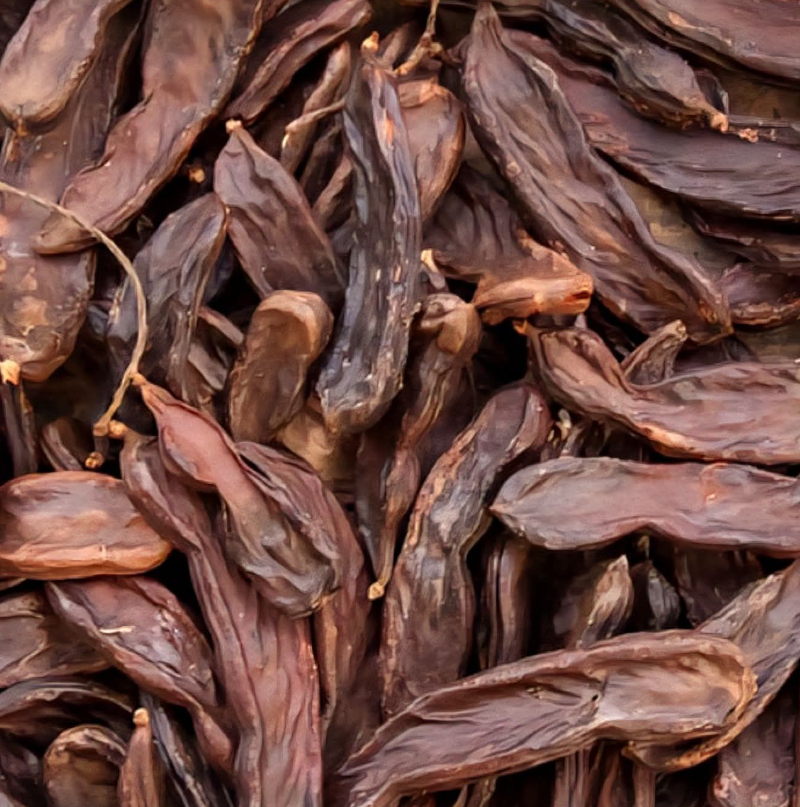
What makes Aidan fruit especially interesting is that it is rarely eaten raw like common fruits. Instead, it is typically used as an aromatic ingredient in soups, herbal drinks, and traditional infusions. Its long pod-like shape and rich aroma make it stand out among other tropical plants.
Many people who are discovering this fruit for the first time are fascinated by its long history in African traditional practices, where it has been used in both culinary and cultural contexts.
In this guide, we will explore:
• What Aidan fruit is
• Its traditional uses and cultural significance
• The natural compounds it contains
• Potential health-supporting benefits
• How to prepare and use it at home
🌳 What Is Aidan Fruit?
Aidan fruit comes from a tree scientifically known as Tetrapleura tetraptera, which grows widely in tropical regions of Africa. The tree produces long, dark brown pods that contain seeds and aromatic pulp.
Because of its appearance and structure, the fruit is sometimes called:
• Prekese in Ghana
• Uyayak in Nigeria
• Aridan in Yoruba traditions
The pods are long, slightly curved, and deeply ridged. When dried, they develop a strong, sweet, and smoky aroma that makes them popular in cooking.
In many traditional dishes, small pieces of the fruit are added to soups and stews to enhance flavor while also contributing to the nutritional profile of the meal.
📜 Traditional Uses of Aidan Fruit
For generations, Aidan fruit has played a role in both cuisine and traditional herbal practices.
In many communities, the fruit is believed to support general wellness and is used in preparations meant to promote recovery, digestion, and vitality.
Some traditional uses include:
• Flavoring soups and broths
• Preparing herbal teas and infusions
• Supporting postpartum recovery traditions
• Enhancing the aroma of traditional meals
These uses reflect the long-standing cultural knowledge surrounding the plant.
While modern science is still exploring many of these traditional claims, the fruit continues to be valued for its nutritional and aromatic qualities.
🧪 Natural Compounds Found in Aidan Fruit
Like many plant-based foods, Aidan fruit contains a variety of natural compounds that researchers are interested in studying.
Some of the key plant compounds associated with the fruit include:
🌿 Polyphenols
Polyphenols are plant compounds that act as antioxidants. They may help support the body’s natural defenses against oxidative stress.
🌿 Flavonoids
Flavonoids are widely found in fruits and vegetables and are known for their role in supporting cellular health.
🌿 Plant Fiber
The fruit contains natural fiber that may support digestive comfort when consumed as part of balanced meals.
🌿 Aromatic Oils
Aidan fruit contains aromatic compounds responsible for its strong scent and flavor.
These natural oils also contribute to its popularity in cooking.
✨ Potential Health Benefits of Aidan Fruit
While research is ongoing, traditional practices and preliminary studies suggest several possible wellness-supporting properties associated with Aidan fruit.
1. Supports Digestive Comfort
Traditional uses often include adding Aidan fruit to soups believed to support digestion.
2. May Provide Antioxidant Support
The plant compounds in Aidan fruit may help support the body’s natural antioxidant defenses.
3. Supports Natural Energy Balance
In traditional diets, nutrient-rich plant foods contribute to sustained energy levels.
4. May Support Immune Wellness
Some of the plant compounds found in Aidan fruit are being studied for their potential role in supporting immune balance.
5. Supports Healthy Digestion
Fiber and plant compounds found in the fruit may contribute to digestive comfort.
6. Adds Flavor Without Artificial Additives
Using natural ingredients like Aidan fruit can enhance meals without relying on processed seasonings.
7. Encourages Traditional Plant-Based Nutrition
The fruit highlights the value of indigenous foods and traditional culinary knowledge.
8. May Support Post-Meal Comfort
In traditional practices, soups prepared with the fruit are sometimes consumed to support digestion after meals.
9. Rich Aromatic Profile
The fruit’s aroma enhances the sensory experience of food preparation.
10. Encourages Cultural Culinary Heritage
Using traditional ingredients helps preserve valuable cultural food traditions.
🌍 Cultural Importance of Aidan Fruit
In many West African communities, Aidan fruit holds cultural significance beyond its nutritional value.
It is often associated with:
• family cooking traditions
• community meals
• postpartum care practices
• herbal wellness preparations
Elders often pass down knowledge about how to prepare and use the fruit correctly, emphasizing moderation and balance.
This cultural heritage contributes to the growing global interest in Aidan fruit as people seek to rediscover traditional plant foods.
🔬 Growing Scientific Interest
Researchers have started examining Aidan fruit to better understand its chemical composition and potential health-supporting properties.
Studies are exploring:
• antioxidant activity
• plant compounds present in the pods
• nutritional value of traditional African fruits
Although research is still developing, the fruit’s rich composition continues to attract scientific curiosity.
👀 Why Aidan Fruit Is Becoming Popular Worldwide
Several trends are contributing to the increasing popularity of Aidan fruit.
First, there is a growing interest in traditional superfoods and indigenous ingredients.
Second, people are looking for natural ways to enhance flavor without relying on artificial additives.
Finally, global cuisine is expanding, and ingredients from African culinary traditions are gaining recognition around the world.
But one question remains for many new readers:
How exactly do you prepare Aidan fruit at home?
On the next page, we’ll explore preparation methods, step-by-step instructions, daily usage tips, safety precautions, and answers to frequently asked questions.