Soil and Drainage Matter
Snake plants thrive in fast-draining soil. Heavy, compact soil holds moisture too long and suffocates roots.
Use a cactus or succulent mix, or create your own blend using:
- Regular potting soil
- Coarse sand or perlite
- A small amount of compost
Always use pots with drainage holes. Good drainage prevents root rot and supports healthy root stress — a key factor in blooming.
Do Not Repot Too Often
Snake plants bloom best when slightly root-bound. Frequent repotting encourages leaf growth but delays flowers.
Only repot when roots begin pushing against the pot or emerging from drainage holes — usually every 2–4 years.
Best Time to Repot
If repotting is necessary, do it in early spring before the growing season begins.
Temperature and Stability
Snake plants prefer stable indoor temperatures between 60°F and 85°F (16°C–29°C). Sudden temperature changes can interrupt blooming cycles.
Avoid placing plants near:
- Cold drafts
- Heating vents
- Air conditioners
Consistency is more important than warmth.
Fertilizing for Flowers (Not Leaves)
Too much fertilizer encourages lush leaves but suppresses flowers. If you fertilize, do so sparingly.
Use a diluted, balanced fertilizer once or twice during the growing season. Organic options such as compost tea or diluted worm castings are ideal.
Natural Feeding Schedule
- Spring: one light feeding
- Summer: optional second feeding
- Fall and Winter: no fertilizer
The Role of Stress (The Healthy Kind)
Snake plants often bloom after mild stress — not neglect, but controlled conditions that mimic nature.
Examples include:
- Extended dry periods
- Root-bound containers
- Consistent light exposure
This “comfortably stressed” state signals the plant that it is time to reproduce.
What to Do When Flower Stalks Appear
Once a flower stalk emerges, avoid moving the plant. Continue normal care without changes.
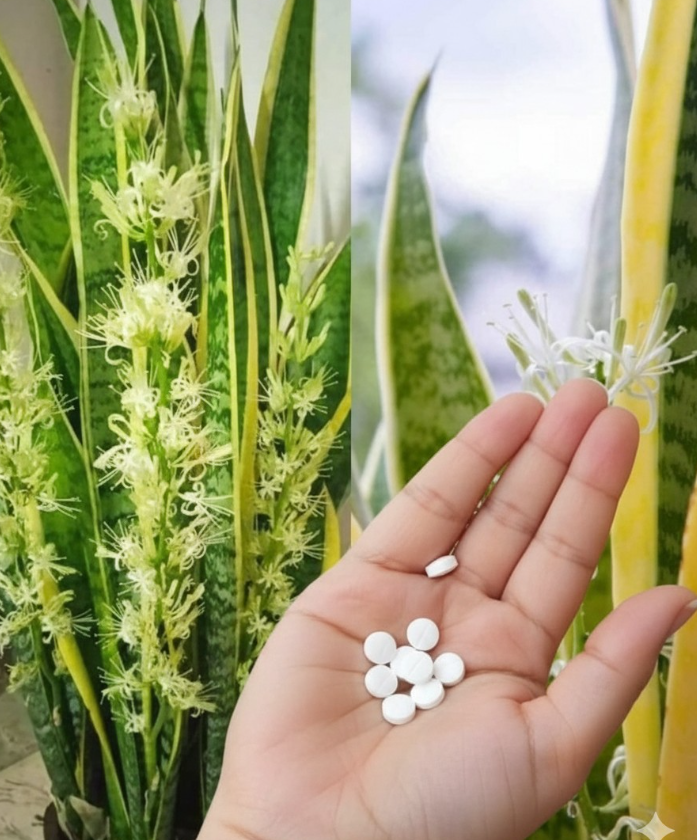
Do not cut the stalk. Let the flowers open naturally. Blooms may last several weeks.
After flowering ends, the stalk will dry out. You can remove it gently at the base.
Common Myths About Snake Plant Blooms
Myth: Blooming Means the Plant Is Dying
False. Blooming is a sign of maturity and stability.
Myth: Chemicals Are Needed
False. Natural care produces stronger, healthier blooms.
Myth: All Snake Plants Will Bloom Quickly
False. Blooming can take years and depends on conditions.
Frequently Asked Questions
How often do snake plants bloom?
Indoors, blooming may happen once every few years, or not at all. Outdoors in ideal climates, blooming is more common.
Do snake plant flowers smell?
Yes. They release a light, sweet fragrance, especially in the evening.
Should I cut flowers after blooming?
Wait until the stalk dries completely, then remove it gently.
Can blooming harm the plant?
No. As long as care remains consistent, blooming does not weaken the plant.
Final Thoughts: Let Nature Lead
Making a snake plant bloom is not about tricks or shortcuts. It is about patience, observation, and respect for natural rhythms.
By providing stable light, careful watering, good soil, and time, you allow the plant to decide when it is ready. When blooms finally appear, they are a quiet reward — proof that slow, thoughtful care truly works.
Trust the process. Let nature do the rest.