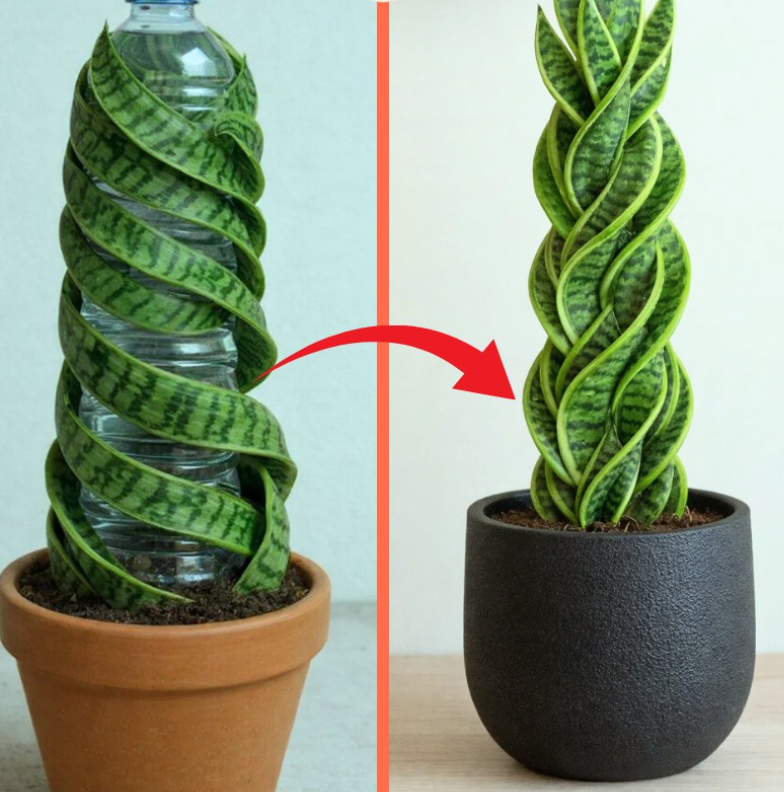
All You Need Is One Empty Plastic Bottle
Sometimes the most effective plant care solutions are not found in stores, fertilizers, or complicated routines. They are already in our homes, quietly waiting to be reused in a smarter way.
An empty plastic bottle — something most people throw away without thinking — can become one of the most useful tools for caring for houseplants. When used correctly, it helps regulate watering, improve humidity, protect delicate roots, and support consistent growth.
For sensitive flowering plants like African violets, this simple object can make a noticeable difference over time. Not by forcing growth, but by creating stable conditions that plants naturally respond to.
Why African Violets Need Consistency More Than Anything
African violets are not difficult plants, but they are very particular. They thrive on routine and stability. Sudden changes in moisture, temperature, or airflow often cause them to stop blooming.
The most common problems include:
- Uneven watering
- Dry indoor air
- Water sitting on leaves
- Root stress from soggy soil
An empty plastic bottle can help solve several of these issues at once.
The Hidden Power of a Plastic Bottle in Plant Care
Plastic bottles are lightweight, waterproof, easy to shape, and safe for plants when used properly. Gardeners around the world use them for slow watering, humidity control, and root protection.
The key is not the bottle itself, but how it is prepared and positioned.
This method focuses on controlled moisture — giving plants what they need, when they need it, without stress.
Method One: Gentle Slow-Watering System
African violets dislike sudden floods of water. A slow-release watering system allows moisture to reach roots gradually.
What You Need
- One clean empty plastic bottle (500 ml to 1 liter)
- A small pin or needle
- Room-temperature water
How to Prepare It
- Wash the bottle thoroughly to remove residue
- Use the pin to make 2–3 tiny holes near the cap
- Fill the bottle with water
- Screw the cap on tightly
How to Use It
Turn the bottle upside down and gently insert the cap end into the soil near the edge of the pot. Water will slowly drip into the soil over time.
This prevents overwatering and keeps moisture levels steady — ideal for African violet roots.
Method Two: Bottom Watering Made Easy
African violets prefer bottom watering. It keeps leaves dry and reduces disease risk.
A plastic bottle can help control how much water the plant absorbs.
How It Works
- Cut the bottle in half
- Place the pot inside the bottom half
- Add water to the bottle base, not the pot
- Remove the pot after 20–30 minutes