🌿 Why Gardeners Love Cinder Block Raised Beds: Simple, Tidy & Surprisingly Effective
Looking for a raised bed solution that’s **affordable, low-maintenance, and looks clean** in your backyard? Many gardeners are turning to an unlikely hero: **cinder blocks**. These humble building materials are being repurposed in gardens across the U.S. to create raised beds that are as **functional** as they are **stylish**.
But what makes cinder block raised beds so popular? Are they safe? Are they better than wood or galvanized options? And how do you build one that works long-term?
In this guide, we’ll explore everything you need to know before you start stacking those blocks.
🏡 What Is a Cinder Block Raised Bed?
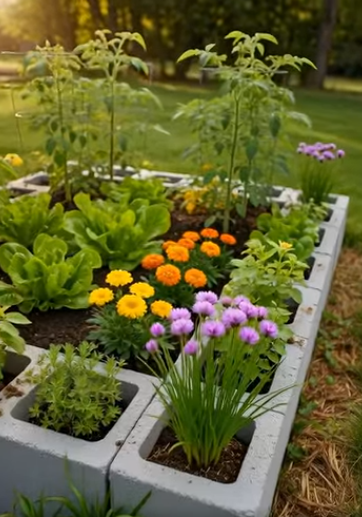
A cinder block raised bed is a garden bed built using standard concrete or cinder blocks, stacked in a rectangle or square to form the perimeter. The **block holes** (also called cells) can be left open for planting, filled with soil, or even used as a decorative feature.
This method has gained traction because it’s:
- ✅ Durable — lasts for decades without rot
- ✅ Affordable — no lumber prices or special tools needed
- ✅ Customizable — build any size, height, or shape
- ✅ Low-maintenance — no painting or sealing required
🌱 Why Gardeners Are Choosing Cinder Blocks Over Wood
Many raised beds are made of untreated or pressure-treated wood. While wood can look nice, it comes with drawbacks:
| Feature | Wood Beds | Cinder Block Beds |
|---|---|---|
| Lifespan | 5–10 years (rot risk) | 20+ years |
| Cost | Moderate to high | Low (about $2–3/block) |
| Assembly | Tools required | Stack and fill |
| Maintenance | Needs staining/sealing | None |
| Weed Control | Depends on liner | Excellent (thick barrier) |
| Bonus Planting Space | No | Yes (in block holes) |
Many gardeners who’ve tried both say they’ll never go back to wood after building their first cinder block bed.
👩🌾 Expert Insights: Why It Works
According to garden designer Sarah Coleman of Evergreen Design, the appeal of cinder block beds is more than just convenience:
“Cinder blocks provide structure, thermal mass, and weed suppression — all without needing annual upkeep. I often recommend them for beginner gardeners or clients who want a clean, modern look without the maintenance headaches.”
Additionally, horticulturist Dr. Leila Nour notes:
“As long as the blocks are not made from fly ash (which some older versions were), they’re perfectly safe for edible crops. Their heat-retaining properties can even extend the growing season by warming soil earlier in spring.”
🧱 Are Cinder Blocks Safe for Vegetable Gardening?
One concern some gardeners raise is about **toxicity**. Let’s break it down:
- Modern concrete blocks are made from cement, water, and aggregates. These are safe for gardening.
- Old-school cinder blocks (pre-1950s) used coal ash (fly ash), which may contain heavy metals. These are rare today.
To ensure safety:
- ✔ Buy blocks from reputable home improvement stores
- ✔ Avoid using reclaimed blocks if you don’t know their origin
- ✔ Line the inside with landscape fabric or heavy-duty plastic if you’re still concerned
For most modern gardeners, cinder block beds are as safe as any other material.
🪴 Planting Tips: Use Every Inch of Space
One of the best things about cinder block beds is the **bonus planting space** in the hollow block holes. You can use these for:
- 🌿 Herbs like thyme, chives, and parsley
- 🪻 Flowers to attract pollinators
- 🪴 Succulents and low-water plants
- 🧄 Garlic, onions, or shallow-rooted crops
Fill each cell with compost or potting mix, and treat it like a mini container garden!
🛠️ How to Build a Cinder Block Raised Bed (Step-by-Step)
Step 1: Plan Your Layout
Measure your space. Common bed sizes include:
- 4×8 feet (perfect for small yards)
- 4×4 feet (square foot gardening)
- Custom L or U shapes
Step 2: Level the Ground
Use a shovel or rake to flatten the ground. Remove weeds and debris. Optional: lay down landscape fabric to block weeds from below.
Step 3: Stack the Blocks
- Place blocks in a rectangle, holes up.
- You can stack a second layer for added height.
- Use landscaping adhesive between layers for extra stability (optional).
Step 4: Fill with Soil
Use a mix of:
- 1 part compost
- 1 part topsoil or garden soil
- 1 part coconut coir or peat moss
Step 5: Plant & Water
Start planting in both the center and the cinder holes. Water deeply and regularly until roots are established.
🧾 Table: Practical Benefits at a Glance
| Feature | Measurement | Weight/Size | Value |
|---|---|---|---|
| Standard Block Size | 8″ x 8″ x 16″ | ~30–35 lbs | Easy to stack |
| Hole Volume | ~0.13 cu ft per cell | ~10 lbs soil | Bonus mini planters |
| Lifespan | 20+ years | Resistant to rot | Long-term value |
| Water Retention | Moderate | Better than wood | Reduces drought stress |
⚠️ Common Mistakes to Avoid
- ❌ Skipping ground leveling — causes uneven walls or wobbling
- ❌ Using fly ash blocks — avoid unknown reclaimed materials
- ❌ Not adding drainage — even concrete beds need proper soil drainage
- ❌ Overwatering block holes — they can retain more moisture than expected
- ❌ Ignoring weed barrier — grass can still sneak in without a base layer
❓ Top 10 FAQs About Cinder Block Beds
1. How much does it cost to build one?
Expect $30–$80 depending on size. Each block costs around $2–3.
2. How many blocks do I need for a 4×8 bed?
For one level: ~28 blocks. For two levels: ~56 blocks.
3. Are cinder blocks toxic?
Not modern ones. Avoid old “ash” blocks and buy from trusted retailers.
4. Do I need to use mortar or adhesive?
No. Dry stacking works well. But landscape adhesive adds extra stability for 2+ layers.
5. What do I plant in the holes?
Herbs, flowers, strawberries, succulents — anything with a small root system!
6. How do I stop weeds inside the bed?
Use a weed barrier layer below, and top with mulch.
7. Do the blocks heat the soil too much?
Only in very hot climates. In most zones, the warmth is beneficial for spring planting.
8. Will they shift or fall over?
Not if the ground is level. You can also glue layers with landscaping adhesive.
9. Can I move them later?
Yes — they’re modular. It takes effort, but you can rearrange or rebuild.
10. Are they good for renters or temporary gardens?
Yes — they’re affordable, movable, and don’t require digging or drilling.
🌟 Final Thoughts: Is a Cinder Block Bed Right for You?
If you’re looking for a raised bed that’s easy to build, budget-friendly, long-lasting, and gives you extra planting space — **cinder block gardening is a smart choice**. Whether you’re growing vegetables, herbs, or pollinator flowers, this setup keeps weeds at bay, holds water better than expected, and makes your garden look neat and organized.
As you plan your raised beds this season, don’t overlook the concrete blocks at your local hardware store. With just a little stacking and soil, you could have a beautiful, functional garden space in just a day or two.
💡 Want to get started? Check out these related garden bed ideas and easy DIY recipes to make the most of your growing space!