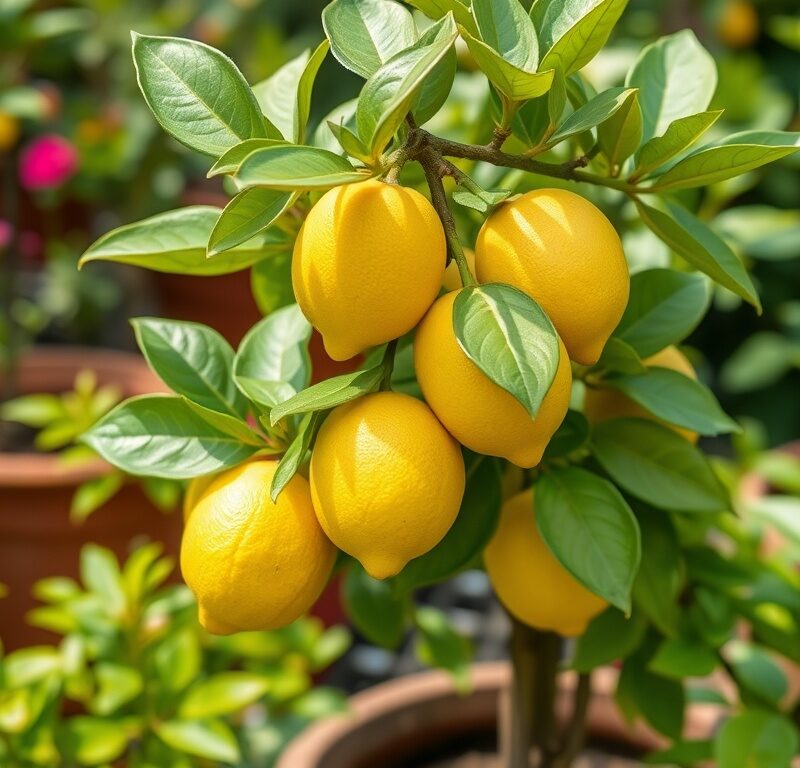
Lemon plant: how to grow it in pots and have citrus fruits always fresh and fragrant
Imagine stepping onto your patio or into your sunroom, and being greeted by the sweet, intoxicating scent of lemon blossoms. Then, picture reaching out and plucking a perfectly ripe, bright yellow lemon, still warm from the sun, ready to infuse your cooking, drinks, or desserts with its vibrant zest and tangy juice. This isn’t a fantasy reserved for Mediterranean villas; it’s an achievable reality for anyone with a potted lemon tree! Growing lemons in containers brings a touch of the exotic to any space, offering not just fresh fruit, but also a beautiful, fragrant, and surprisingly manageable plant.
Beyond the sheer joy of fresh produce, cultivating a lemon tree in a pot offers a host of practical advantages. It’s an ideal solution for those with limited garden space, as well as gardeners in colder climates who need to protect their citrus from frost. The portability of a potted tree means you can chase the sun, bring it indoors during winter, and even use it as a decorative focal point. Throughout this article, we’ll guide you through every step of this rewarding journey, from selecting the perfect dwarf variety to the ultimate satisfaction of harvesting your very own fragrant lemons.
By the time you finish reading, you’ll have all the knowledge you need to nurture a thriving lemon tree in a container. We’ll cover everything from choosing the right pot and soil, to essential care practices like watering, fertilizing, and pruning, and even how to ensure successful pollination and a bountiful harvest. Prepare to transform your home or garden into a personal citrus grove, enjoying the beauty, the fragrance, and the unparalleled flavor of homegrown lemons, always fresh and always at your fingertips.
Choosing Your Lemon Tree & Essential Starting Supplies
Best Lemon Varieties for Pots
When it comes to growing lemons in containers, variety selection is paramount. You’ll want to opt for dwarf varieties which are naturally smaller and better suited to confined spaces. Here are some of the best:
- Meyer Lemon: Often considered the most popular choice for home growers, the Meyer lemon is a hybrid thought to be a cross between a lemon and a mandarin orange. This gives it a sweeter, less acidic flavor than true lemons. Meyer lemons are also more cold-tolerant than other varieties and are prolific producers, making them an excellent starting point for beginners.
- Eureka Lemon: If you’re after that classic supermarket lemon flavor, the Eureka is your go-to. It’s a true lemon with a tart, bright flavor and a good amount of juice. Eureka trees are known for their vigorous growth and abundant fruit production.
- Lisbon Lemon: Similar to the Eureka, the Lisbon lemon is another true lemon variety, known for its hardiness and excellent juice quality. Lisbon trees tend to be thornier than Eureka, but they are very resilient and produce well.
- Dwarf Varieties: Regardless of the specific type, always look for “dwarf” or “semi-dwarf” versions. These are grafted onto rootstock that limits their mature size, making them perfect for pot culture. This is a crucial factor for long-term success in a container.
Pot Selection
The pot you choose is more than just a decorative item; it’s the foundation of your lemon tree’s home. Proper sizing and material are critical for healthy growth.
- Size: Start with a pot that’s at least 15 gallons or 18 inches in diameter. This provides enough space for initial root development. As your tree grows, you’ll need to repot it into larger containers, eventually aiming for 20-25 gallons or even larger to accommodate its mature size. A general rule of thumb is to go up one pot size (e.g., from 18 to 24 inches) when repotting.
- Material: The material of your pot impacts moisture retention and temperature regulation.
- Terracotta: These pots are breathable, allowing air to reach the roots and preventing waterlogging. They also add a classic, earthy aesthetic. However, terracotta dries out faster than other materials, requiring more frequent watering, especially in hot climates. They are also heavy and can be fragile.
- Glazed Ceramic: Decorative and often beautiful, glazed ceramic pots retain moisture better than unglazed terracotta. They are also heavy and can be expensive.
- Plastic: Lightweight, affordable, and durable, plastic pots retain moisture well, meaning less frequent watering. However, they can heat up quickly in direct sun, potentially stressing roots. Ensure they are made from UV-resistant plastic to prevent degradation.
- Drainage: This is non-negotiable. Your pot MUST have multiple drainage holes at the bottom. Root rot, caused by standing water, is the biggest killer of potted citrus trees. Never use a pot without adequate drainage.
Soil & Planting Medium
The right soil provides the necessary nutrients, aeration, and drainage for your lemon tree.
- Specific Citrus Potting Mix: The easiest and often best option is to use a potting mix specifically formulated for citrus trees. These mixes are designed to be well-draining, slightly acidic, and contain the right balance of nutrients.
- DIY Mix: If a specialty mix isn’t available, you can create your own well-draining, slightly acidic, sandy loam. A good general recipe is a mix of good quality potting soil, perlite or coarse sand (for drainage), and some compost or peat moss (for acidity and nutrients). Aim for a pH between 6.0 and 7.0.
- Avoid Heavy Garden Soil: Never use heavy garden soil directly from your yard in a pot. It compacts easily, retains too much water, and lacks the necessary aeration for container-grown plants, leading to root rot.
Other Essential Tools
Having the right tools on hand will make planting and ongoing care much smoother.
- Pruning Shears: Sharp, clean pruning shears are essential for maintaining the tree’s health and shape, removing dead branches, and encouraging fruit production.
- Watering Can: A watering can with a fine rose attachment allows for gentle and even watering, preventing soil displacement.
- Fertilizer: A specialized citrus fertilizer is crucial for providing the specific nutrients your lemon tree needs.
- Moisture Meter (optional but helpful): A moisture meter can take the guesswork out of watering, helping you determine exactly when your plant needs a drink.
Planting Your Potted Lemon Tree: Step-by-Step
Pre-Planting Preparation
A little preparation goes a long way in ensuring a smooth transition for your new lemon tree.
- Hydrate the Root Ball: Before planting, give your lemon tree a good drink. Place the nursery pot in a bucket of water for about 15-30 minutes, allowing the root ball to thoroughly soak up moisture. This prevents transplant shock.
- Prepare the Pot with Drainage Material: While not strictly necessary if your potting mix is good, a thin layer (about 1-2 inches) of gravel, broken terracotta pieces, or even mesh at the bottom of the pot can help prevent soil from washing out of the drainage holes and improve overall drainage. Avoid thick layers of gravel, as this can create a “perched water table” effect, actually hindering drainage.
The Planting Process
Careful planting sets your tree up for long-term success.
- Place a Small Amount of Potting Mix: Add a layer of your chosen citrus potting mix to the bottom of the prepared pot. The amount will depend on the size of your plant’s root ball, as you want the tree to sit at the correct height.
- Gently Remove the Plant from its Nursery Container: Carefully tip the nursery pot on its side and gently slide the tree out. If it’s stubborn, you might need to gently squeeze the sides of the plastic pot. Avoid pulling the tree by its trunk. Inspect the roots; if they are tightly circling the root ball, gently tease them apart with your fingers to encourage outward growth.
- Position the Tree: Place the lemon tree in the center of the new pot. The goal is to have the root flare (where the trunk widens at the base) at or slightly above the soil line. Planting too deep can lead to stem rot. Adjust the amount of potting mix beneath the root ball until the tree is at the correct height.
- Fill with Potting Mix: Begin filling the pot around the root ball with your potting mix. Gently firm the soil down with your hands as you go to remove large air pockets, but avoid compacting it too densely. Leave about 1-2 inches of space from the top rim of the pot to allow for watering without overflow.
- Water Thoroughly: Once planted, water the tree deeply and slowly until water drains freely from the bottom of the pot. This settles the soil around the roots and eliminates any remaining air pockets.
Initial Care & Placement
The first few days are crucial for your new tree to acclimate.
- Find a Sunny Spot: Immediately move your newly potted lemon tree to its permanent or temporary sunny location. Citrus trees are sun lovers and need at least 6-8 hours of direct sunlight daily to thrive and produce fruit.
- Protection from Strong Winds: For the first week or two, especially if your tree is small, try to protect it from strong winds, which can stress the plant and damage new growth. A sheltered corner on a patio or deck is ideal.
Ongoing Care for Thriving Potted Lemons
Sunlight Requirements
Sunlight is the energy source for your lemon tree, directly impacting its health and fruit production.
- Minimum 6-8 Hours Direct Sun Daily: This is a non-negotiable requirement. The more sun your lemon tree receives, the happier and more productive it will be. Full sun encourages flowering and fruiting.
- South-Facing Window Indoors: If you’re growing your lemon tree indoors, place it in the brightest possible location. A south-facing window is usually ideal, as it offers the most prolonged and intense light exposure. During winter, consider supplementing with a grow light if natural light is insufficient.
Watering Wisely
Proper watering is critical; both overwatering and underwatering can be detrimental.
- Frequency: The golden rule for watering is to do so when the top 1-2 inches of soil feel dry to the touch. Stick your finger into the soil to check. Don’t water on a rigid schedule, as environmental factors (temperature, humidity, pot size) will affect how quickly the soil dries out.
- Technique: When you do water, water deeply. Pour water slowly and evenly over the entire soil surface until you see it draining from the bottom of the pot. This ensures the entire root ball receives moisture.
- Avoid:
- Overwatering: This is the most common cause of root rot, a fungal disease that can quickly kill your tree. Symptoms include yellowing leaves, leaf drop, and a general decline in health.
- Underwatering: While less common than overwatering, consistent underwatering stresses the plant, leading to wilting, leaf drop, and poor fruit development.
Fertilization Schedule
Potted plants rely entirely on you for their nutrient supply, making regular fertilization essential.
- Specific Citrus Fertilizer: Always use a fertilizer specifically formulated for citrus trees. These fertilizers are high in nitrogen (N) to support foliage growth and contain essential trace minerals like iron, zinc, and manganese, which citrus trees often need in higher quantities. Look for a balanced NPK ratio (e.g., 5-1-3 or similar) with added micronutrients.
- Frequency: Follow the product instructions carefully, as concentrations vary. Generally, you’ll fertilize every 4-6 weeks during the active growing season (spring through fall). Reduce or stop fertilization during the winter months when the plant’s growth slows down.
Pruning for Health & Shape
Pruning maintains the health, shape, and productivity of your lemon tree.
- Purpose: Pruning serves multiple functions:
- Air Circulation: Improves airflow through the canopy, reducing the risk of fungal diseases.
- Fruit Production: Directs the plant’s energy into fruit-bearing branches.
- Aesthetic Shape: Helps maintain a desirable size and shape for container growing.
- Removing Dead/Diseased Branches: Eliminates unhealthy plant material that can harbor pests and diseases.
- When: The best time to prune is in late winter or early spring, just before new growth begins. Light pruning can be done at any time to remove problematic branches.
- Techniques:
- Remove Suckers: These are vigorous shoots that grow from the rootstock below the graft union. They will not produce good fruit and will sap energy from the main tree. Cut them off flush with the trunk.
- Remove Cross Branches: Eliminate branches that rub against each other, as this can create wounds where pests and diseases can enter.
- Tip Prune for Bushiness: Pinching back the tips of young branches encourages lateral branching, creating a fuller, bushier plant.
- Remove Dead, Damaged, or Diseased Branches: Always remove these immediately to prevent the spread of issues.
Pest & Disease Management
Vigilance is key to catching and addressing problems early.
- Common Pests:
- Aphids: Small, soft-bodied insects that cluster on new growth.
- Spider Mites: Tiny pests that cause stippling on leaves and fine webbing.
- Scale: Small, immobile bumps on stems and leaves, often with a waxy coating.
Treatment for these pests often involves organic solutions like neem oil sprays or insecticidal soaps. Consistent inspection of the undersides of leaves is crucial.
- Common Diseases:
- Root Rot: Almost always caused by overwatering. Prevention through proper watering techniques and excellent drainage is the best cure.
- Citrus Scab: A fungal disease causing raised, wart-like lesions on leaves and fruit. Good air circulation and avoiding overhead watering can help prevent it.
Good cultural practices (proper watering, light, air circulation) are your first line of defense against most diseases.
Winter Care & Protection (Crucial for Non-Tropical Climates)
If you live in an area with cold winters, bringing your lemon tree indoors is essential.
- Bringing Indoors: When temperatures consistently drop below 40-50°F (5-10°C), it’s time to bring your potted lemon tree inside. A sudden hard freeze can severely damage or kill the plant.
- Indoor Environment:
- Brightest Possible Location: Place it in a south-facing window or under a grow light to provide as much light as possible.
- Humidity: Indoor heating can dramatically lower humidity, which citrus trees dislike. Increase humidity by misting the leaves regularly, placing the pot on a pebble tray filled with water (ensure the pot doesn’t sit directly in the water), or using a small room humidifier.
- Reduced Watering and Fertilization: During winter, the tree’s growth slows down significantly. Reduce watering frequency (still check the soil first) and stop fertilizing entirely until spring when new growth resumes.
Repotting
As your lemon tree grows, it will eventually outgrow its pot.
- Frequency: Repot your lemon tree every 2-3 years, or when you notice signs of it becoming root-bound (roots growing out of drainage holes, water running straight through, stunted growth).
- Method: When repotting, go up one pot size (e.g., from an 18-inch to a 24-inch pot). Gently remove the tree, loosen any circling roots, and replant it in fresh citrus potting mix, following the same steps as initial planting.
Pollination, Fruiting & Harvesting Your Bountiful Crop
Pollination
Even though most lemon varieties are self-pollinating, a little help can go a long way, especially indoors.
- Self-Pollinating: Lemon trees generally have perfect flowers, meaning each flower contains both male and female parts and can pollinate itself. Outdoors, wind and insects usually do the job naturally.
- Hand-Pollination: Indoors, where there are no natural pollinators, hand-pollination can significantly increase your fruit yield. Use a small, soft paintbrush or a cotton swab to gently transfer pollen from one flower to another, or even within the same flower. Do this daily when the tree is in bloom.
Fruit Development
Patience is a virtue when waiting for your lemons to mature.
- Time from Flower to Fruit: It can take anywhere from 6 to 9 months, or even longer, for a lemon to fully develop from a tiny flower to a ripe fruit. This time frame varies depending on the variety, climate, and overall health of the tree.
- Fruit Drop: It’s completely normal for a lemon tree to drop some of its small, immature fruits. This is a natural thinning process where the tree sheds fruits it cannot sustain. Excessive fruit drop, however, can be a sign of stress (e.g., watering issues, nutrient deficiencies, or extreme temperature fluctuations).
Knowing When to Harvest
Harvesting at the right time ensures the best flavor and juiciness.
- Color: The most obvious sign of ripeness is color. Lemons should be bright yellow all over. Green patches indicate they are not yet ready.
- Firmness: Gently squeeze the lemon. It should feel slightly soft and supple, not rock hard.
- Size: While size varies by variety, a ripe lemon will generally have reached its expected mature size.
- Taste Testing: The ultimate test! If you’re unsure, pick one and taste it. It should be tart but flavorful.
Harvesting Technique
Harvesting correctly helps protect your tree and ensures a fresh fruit.
- Use Clean Pruning Shears or Snips: Do not pull the lemons off the tree, as this can damage the branch. Instead, use clean, sharp pruning shears or snips to cut the stem just above the fruit.
- Leave a Small Piece of Stem Attached: Leaving a small piece of stem (about 1/4 to 1/2 inch) attached to the lemon helps it store longer and prevents premature rot.
Conclusion: Enjoying Your Homegrown Lemons
Congratulations! You are now equipped with the knowledge to embark on the incredibly rewarding journey of growing your own lemon tree in a pot. We’ve covered the essentials, from selecting the perfect dwarf variety and the right container, to the step-by-step planting process, and the ongoing care crucial for a thriving plant. Remember the key takeaways: choose a dwarf variety, ensure excellent drainage, provide abundant sunlight (6-8 hours daily), water deeply but only when the top soil is dry, fertilize regularly with a specialized citrus food during the growing season, and protect your precious tree from cold temperatures.
Cultivating a potted lemon tree requires consistency and attention, but the effort is minimal compared to the immense satisfaction it brings. Be patient with your plant; fruit development takes time, and each stage, from fragrant blossom to tiny green fruitlet, is a delight to observe. Monitor for pests and diseases, prune for health and shape, and don’t be afraid to hand-pollinate indoors to maximize your harvest.
The ultimate reward awaits: baskets full of your very own fresh, fragrant, and intensely flavorful lemons. Imagine the culinary possibilities – zesty lemonades, vibrant vinaigrettes, decadent lemon tarts, or simply a squeeze of sunshine over your favorite dishes. There’s nothing quite like the taste of a homegrown lemon, picked fresh from your own tree. So, go ahead, embrace the challenge, and prepare to elevate your home and your kitchen with the unparalleled joy of fresh, fragrant, homegrown lemons, always within reach!