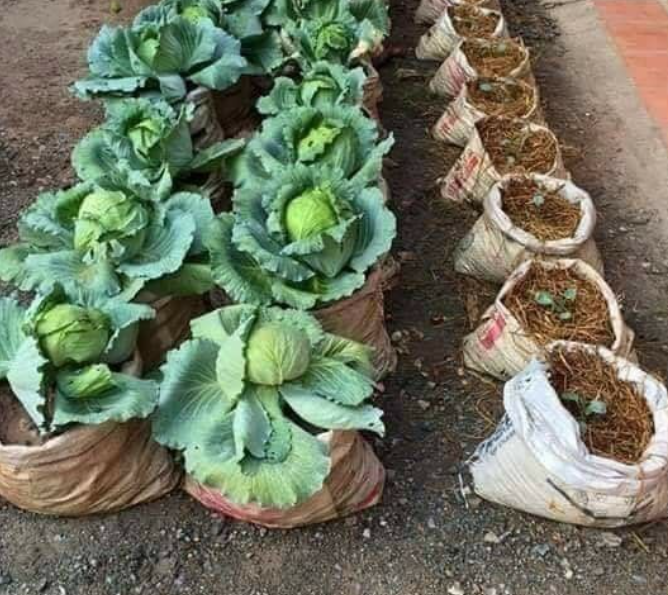
🥬 How To Grow Cabbage in a Container With Minimal Space and Effort
Written by Jenny | October 17, 2023
Think you need a sprawling garden bed to grow cabbage? Think again! Cabbage is not only a healthy, fiber-packed vegetable — it’s also incredibly easy to grow in containers, even if you’re working with a small patio, balcony, or windowsill garden.
With the right setup, you can enjoy **compact, crisp cabbages from your own container garden**, all without digging up soil or needing tons of space. Whether you’re growing for nutrition, flavor, or fun, this guide walks you through everything — from selecting the right cabbage variety to harvesting those leafy greens with ease.
🌱 Why Grow Cabbage in Containers?
Container gardening is one of the easiest ways to cultivate your own food, especially when space is limited. Growing cabbage in pots or containers offers:
- 🪴 Portability — Move your cabbage into or out of the sun
- 🌿 Less risk of pests and soil-borne diseases
- 💧 More control over watering and drainage
- 🌞 Ability to extend your growing season indoors or on patios
Plus, container gardening is ideal for renters, apartment dwellers, or anyone with limited space who still wants to enjoy **fresh, nutritious homegrown food**.
🥬 Step 1: Choose the Right Cabbage Variety
Not all cabbages are created equal when it comes to container growing. Large, sprawling varieties may need more space than a container allows. Instead, opt for **compact, quick-maturing types** such as:
- 🌱 Gonzales: Small, tightly wrapped heads perfect for small containers
- 🌱 Mini Ball: Early maturing, small footprint
- 🌱 Yankee: Cold-hardy and compact
These varieties allow you to **maximize yield in minimal space** and still enjoy full-sized flavor and nutrition.
🪴 Step 2: Pick the Right Container
Cabbages need room for their roots to develop strong and stable heads, so choose:
- 📏 Container depth: At least 12–14 inches deep
- 🌐 Diameter: Minimum 12 inches wide per plant
- 🕳️ Drainage: Ensure your container has good drainage holes
Materials like food-safe plastic, ceramic, or even repurposed buckets work well — just avoid containers that retain too much moisture.
🌿 Step 3: Use the Best Soil Mix
The right soil can make all the difference. Cabbage needs rich, well-draining soil with good moisture retention and aeration. Use:
- 🌱 Quality potting mix (not garden soil)
- 🌾 Mix in compost for organic nutrition
- 💧 Add perlite or vermiculite for drainage
Aim for a slightly acidic to neutral pH between 6.0 and 7.5.
🌱 Step 4: Planting and Spacing
If you’re starting from seed, sow ¼ inch deep and thin seedlings once they sprout. If you’re transplanting seedlings, plant them:
- 🌿 One cabbage per 12″ pot
- 🌿 Firmly into moist soil, with 1–2 inches between the base and the pot rim
Leave enough headspace in the container to allow for watering without spillover.
💧 Step 5: Watering and Light
Cabbage is a thirsty plant — especially in containers. But the key is balance.
- 💦 Water when the top 1 inch of soil feels dry
- ☀️ Provide 6–8 hours of full sun daily (or supplement with grow lights indoors)
- 🌬 Good airflow prevents mildew and rot
Avoid overhead watering which can lead to rot — water directly at the base of the plant.
🌿 Step 6: Fertilize for Maximum Growth
Cabbage is a **heavy feeder**, especially in containers. Use a balanced fertilizer (10‑10‑10) every 2–3 weeks, or:
- 🍂 Mix in slow-release compost at planting time
- 🌱 Apply liquid seaweed or fish emulsion for leafy growth
Reduce feeding once heads start forming — too much nitrogen at this stage may delay harvest.
🛡️ Step 7: Watch for Pests and Problems
Even in containers, cabbage can attract some common pests:
- 🦋 Cabbage worms and moths
- 🐌 Slugs
- 🕷 Aphids
Prevent or treat by:
- 🧴 Spraying diluted neem oil weekly
- 🌼 Interplanting with pest-repelling herbs like thyme or marigold
- 🧤 Checking under leaves regularly
📅 When to Harvest Container-Grown Cabbage
Most compact cabbage varieties mature in **60–80 days** from transplanting. You’ll know it’s time to harvest when:
- 🥬 Heads feel firm and tight when squeezed
- 🌱 Outer leaves may begin to yellow slightly
Use a sharp knife to cut the head at the base, leaving the outer leaves and root system in place — these may grow smaller secondary heads!
📊 Quick Guide: Container Cabbage Growing Tips
| Factor | Best Practice |
|---|---|
| Container Size | 12–14″ deep and wide per plant |
| Soil Type | Rich, well-draining potting mix + compost |
| Sunlight | 6–8 hours per day |
| Watering | When top inch of soil is dry |
| Fertilizing | Balanced fertilizer every 2–3 weeks |
| Pest Control | Neem oil spray + physical checks |
| Harvest Time | 60–80 days after transplant |
❓ Frequently Asked Questions (FAQs)
1. Can I grow cabbage indoors in containers?
Yes — if you have strong grow lights or a very sunny window. Ensure air circulation to avoid mildew.
2. How many cabbages can I grow in one container?
One cabbage per 12-inch container is best for healthy head development.
3. What’s the best time to plant cabbage?
Spring and fall are ideal. Avoid mid-summer heat, which can stress the plant and attract more pests.
4. Can I regrow cabbage from kitchen scraps?
Yes — you can sprout cabbage bases in water and transplant them into soil, though results may vary.
5. Does cabbage need full sun to grow?
Yes — 6 to 8 hours of direct sunlight produces the healthiest growth and strongest heads.
6. Why is my cabbage not forming a head?
Likely causes: too much nitrogen, not enough sunlight, or overcrowding in the container.
7. How do I keep cabbage fresh after harvest?
Store whole heads in the refrigerator for up to 2 weeks. Wrap loosely in a plastic or mesh bag.
8. Is cabbage frost-tolerant?
Yes — cabbage can survive light frosts and may even become sweeter in cooler temps.
9. How long does it take to grow cabbage from seed?
From seed to harvest typically takes 80–100 days. Transplants reduce the timeline to 60–80 days.
10. Can I reuse soil from a cabbage container?
It’s best to refresh or rotate soil after harvesting. Mix in compost or replant with different veggies.
🥗 Final Thoughts — Grow Cabbage the Smart Way
Growing cabbage in containers is a smart, space-saving way to enjoy this versatile vegetable — with minimal effort and maximum reward. By choosing compact varieties, using rich soil, and providing the right care, you’ll soon have firm, delicious cabbage heads ready for your next meal.
Once you’ve harvested, why not turn them into crisp coleslaw, stir-fry them with garlic, or shred them fresh over tacos? Container-grown cabbage isn’t just easy — it’s delicious! 🥬✨