🌿 How to Make a Sansevieria Bloom and Fill Your Home with Fragrance
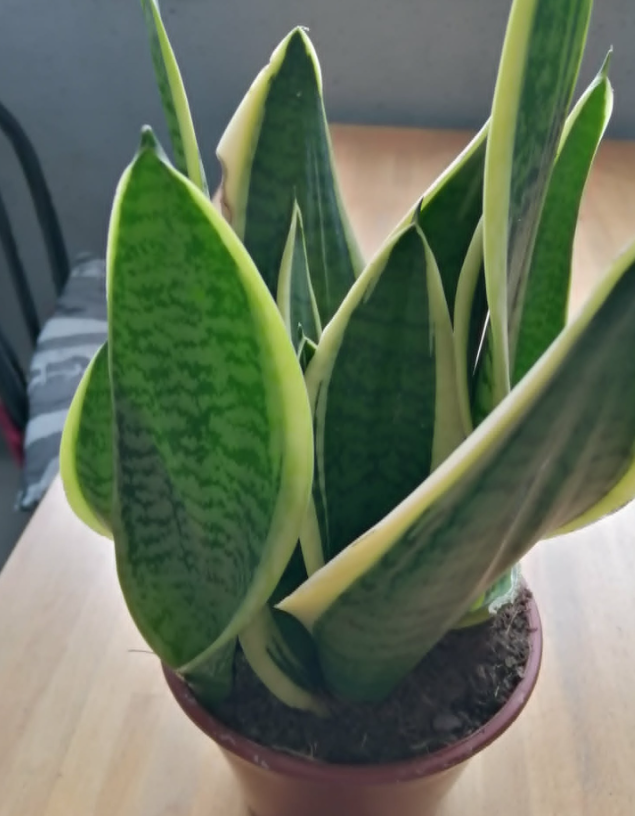
Sansevieria — commonly known as snake plant or mother-in-law’s tongue — is famous for its resilience. It survives neglect, low light, missed waterings, and busy households. But what most people never experience is its rare and magical bloom.
When a sansevieria flowers indoors, it feels almost unbelievable. Tall, delicate stalks rise from the base, crowned with clusters of creamy white or pale green blossoms. And then comes the surprise — a sweet, intoxicating fragrance that fills the room, often strongest at night 🌙.
Many plant owners go decades without ever seeing this moment. Others assume it’s impossible indoors. The truth is more subtle:
Sansevieria blooms not when it’s pampered — but when it’s perfectly balanced.
This guide will show you exactly how to create those conditions. Not forcefully. Not artificially. But in a way that mirrors how this ancient plant learned to flower in nature.
🌱 Understanding Sansevieria’s Nature: Why Blooming Is Rare
Sansevieria originates from arid and semi-arid regions of Africa and Asia. In the wild, it experiences:
- Long dry periods
- Bright but indirect sunlight
- Poor, fast-draining soils
- Seasonal temperature shifts
Flowering is not frequent because it is energy-expensive. The plant only blooms when it feels secure, mature, and slightly stressed — a signal that conditions are right for reproduction.
Dr. Leila Nour, plant physiologist, explains:
“Many succulents and semi-succulents bloom only when they sense environmental contrast — periods of restraint followed by abundance.”
That’s why constant watering, oversized pots, and overly rich soil often prevent flowering.
🌸 What Sansevieria Flowers Are Like
Before diving into care, it helps to know what you’re working toward.
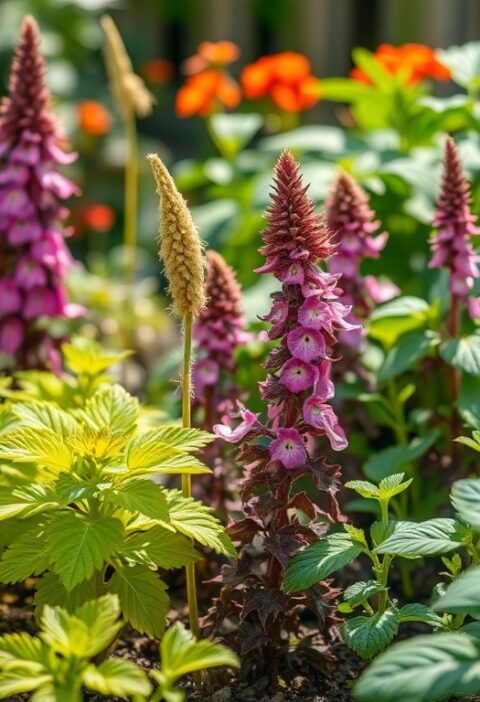
✨ Appearance
- Thin, upright flower stalks
- Clusters of star-shaped blossoms
- Creamy white or pale green color
🌼 Fragrance
The scent is often described as:
- Sweet and vanilla-like
- Lightly jasmine or lily-scented
- Most intense in the evening
Prof. Mark Benson, horticulture specialist, notes:
“The fragrance is designed to attract nighttime pollinators, which explains why it becomes stronger after sunset.”
☀️ Light: The Most Important Trigger
Sansevieria tolerates low light — but it blooms in bright light.
Best Lighting Conditions
- Bright, indirect sunlight
- Near an east or west-facing window
- Filtered south-facing light works well
Without enough light, the plant survives but never flowers.
Tip: If your snake plant has lived in low light for years, gradually move it to brighter conditions to avoid shock.
💧 Watering: Less Is More
This is where most people go wrong.
Sansevieria stores water in its thick leaves. Overwatering keeps it in a constant growth mode — which discourages blooming.
Correct Watering Method
- Allow soil to dry almost completely
- Water deeply, then wait again
- No standing water in saucers
A short period of mild drought stress often signals the plant to flower.
Warning: Soft, mushy leaves mean too much water.
🪴 Pot Size: Why a Snug Home Matters
Snake plants love being slightly root-bound.
An oversized pot causes:
- Excess moisture retention
- Root rot risk
- Leaf growth without flowers
When roots fill the pot, the plant redirects energy toward reproduction — flowering.
Rule of thumb: Only repot when roots physically distort or crack the container.
🌾 Soil: Fast-Draining Is Essential
In nature, sansevieria grows in sandy, rocky soils.
Ideal Soil Mix
- Cactus or succulent mix
- Add perlite or coarse sand
- Excellent drainage is non-negotiable
Heavy potting soil holds too much moisture and suffocates roots.
🌿 Feeding: Gentle, Seasonal Support
Snake plants are light feeders.
Fertilizer Guidelines
- Balanced fertilizer (10-10-10 or similar)
- Once a month in spring and summer
- Dilute to half strength
Overfeeding produces leaves, not flowers.
Dr. Nour adds:
“Nutrient excess signals constant growth. Flowering often requires restraint.”
❄️ Winter Rest: The Secret Most People Miss
This is the hidden trigger.
Sansevieria needs a cooler, drier winter period to bloom later.
Winter Care
- Reduce watering significantly
- Keep in cooler room (55–65°F / 13–18°C)
- No fertilizer
This rest mimics natural seasonal cycles and primes the plant for spring flowering.
⏳ Patience: Age Matters
Young plants rarely bloom.
Most flowering sansevierias are:
- At least 5–10 years old
- Well-established
- Undisturbed for long periods
Sometimes, doing nothing is the final step.
📊 Sansevieria Blooming Care Summary Table
| Factor | Ideal Condition | Why It Helps Blooming | Common Mistake |
|---|---|---|---|
| Light | Bright, indirect | Provides flowering energy | Too dark |
| Water | Dry between watering | Mild stress triggers flowers | Overwatering |
| Pot | Slightly root-bound | Signals maturity | Oversized pot |
| Soil | Fast-draining | Healthy roots | Dense soil |
| Winter rest | Cool & dry | Seasonal signal | Constant care |
🌼 What to Do When Your Sansevieria Blooms
- Do not move the plant
- Avoid fertilizing
- Enjoy the fragrance
- Expect sticky nectar droplets — normal!
Flowering can last several weeks.
❓ Frequently Asked Questions (FAQs)
1. How often does sansevieria bloom?
Indoors, sometimes only once every few years.
2. Do all snake plants bloom?
Most mature varieties can, but not all will.
3. Is the fragrance safe?
Yes — but it can be strong in small rooms.
4. Does blooming harm the plant?
No, it’s a natural phase.
5. Should I cut the flower stalk?
After flowering ends, yes.
6. Can I force blooming?
No — only conditions encourage it.
7. Is fertilizer required?
Minimal feeding only.
8. Will repotting stop blooms?
Yes, temporarily.
9. Do snake plants bloom at night?
The scent is strongest at night.
10. What’s the biggest mistake?
Too much care.
🌷 Final Thoughts: Let the Plant Lead
Sansevieria teaches a quiet lesson: growth doesn’t always come from doing more.
When you give it light, space, restraint, and seasonal rhythm, it may reward you — not with more leaves, but with a moment of beauty few ever witness.
And when those flowers open and the fragrance fills your home, you’ll understand why patience is sometimes the most powerful care of all 🌿.
Disclaimer: This article is for educational purposes only and does not replace professional horticultural advice.