How to Grow African Violets from Leaf Cuttings 🌿💜
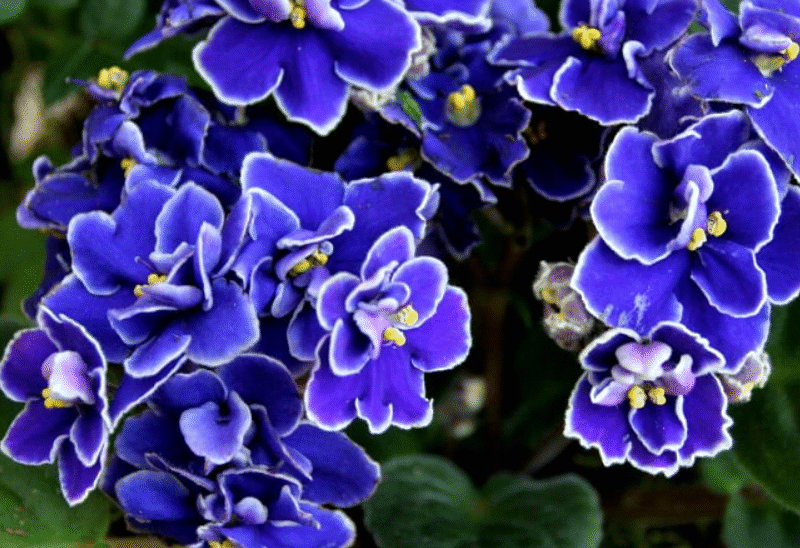
Few indoor plants are as enchanting and approachable as the African Violet. With their velvety foliage and soft, often violet‑ or pink‑colored flowers, they bring charm to any windowsill or small space. Even better: you don’t need seed, special equipment, or a large garden to multiply them — a single healthy leaf can give you a brand‑new plant.
In this guide you’ll get everything you need: how to choose the right leaf; how to root it (in water or soil); what conditions help cuttings thrive; how to transplant and care for the baby plants; and how to avoid common mistakes. By following these steps carefully, you’ll soon have a mini “African Violet nursery” at home. 🪴
Why Propagate African Violets by Leaf Cutting?
Propagation by leaf cuttings is the most common — and often easiest — method for African Violets. Here’s why many growers favor it:
- Reliability: African Violets (genus Saintpaulia) respond very well to leaf cuttings. Healthy leaves often produce roots and new plantlets within weeks. :contentReference[oaicite:3]{index=3}
- Clonal propagation: Plants grown from leaf cuttings are genetically identical to the parent — meaning you maintain the same flower color, leaf type, and characteristics. :contentReference[oaicite:4]{index=4}
- Cost‑effective & space‑saving: You don’t need large pots, special lighting, or a greenhouse — just a small pot or jar, a leaf, and a bit of patience. Ideal for apartments or small homes.
- Year‑round opportunity: Because they are houseplants, you can propagate African Violets anytime — no need to wait for a particular season. :contentReference[oaicite:5]{index=5}
What You’ll Need Before You Start
Before you begin, gather these basic tools and materials to ensure a smooth propagation process:
- A healthy parent African Violet plant
- Sharp, clean scissors or knife (sterilized) — to avoid infections or rot
- Small containers: either glass jars (for water rooting) or small pots (2–3 inch / ~5–8 cm) with drainage (for soil rooting) :contentReference[oaicite:6]{index=6}
- Light, well‑draining growing medium — e.g. a mix of perlite/vermiculite + African Violet potting mix, or a fine peat‑based potting mix amended for good drainage :contentReference[oaicite:7]{index=7}
- Clean water (room temperature) — if you choose water rooting
- Clear plastic bag, small humidity dome, or transparent container lid — helps maintain humidity when rooting in soil :contentReference[oaicite:8]{index=8}
- Bright, indirect light — avoid direct harsh sun, but ensure good light for root & leaf development :contentReference[oaicite:9]{index=9}
- Labels (optional) — helps track different cuttings if you propagate multiple at once
Step-by-Step Guide: Propagating African Violets from Leaf Cuttings
Step 1: Select a Healthy Leaf
Not all leaves are equally good for propagation. For the highest success rate, follow these guidelines:
- Pick a mature, healthy leaf from the middle “ring” of leaves on the parent plant. Avoid leaves that are very old (outermost) or too new (center of crown) — these root less reliably. :contentReference[oaicite:10]{index=10}
- Ensure the leaf has no damage, spots, pests, or disease. A firm, green leaf gives the best chance for a new plant.
- Water the parent plant a day before taking cuttings — this ensures leaves are hydrated and less likely to wilt. Some growers recommend this pre‑hydration step. :contentReference[oaicite:11]{index=11}
Step 2: Cut and Prepare the Leaf Cutting
Once you’ve chosen your leaf, here’s how to make the cutting:
- Using sterile scissors or a sharp knife, cut the leaf off at the base (where the petiole meets the crown). Pulling or twisting may injure the crown — avoid that. :contentReference[oaicite:12]{index=12}
- Trim the petiole (stem) to about 1 to 1.5 inches (≈ 2.5–4 cm). This length is ideal for rooting without oversaturating the base. :contentReference[oaicite:13]{index=13}
- Optionally, cut the petiole end at a 45‑degree angle — this increases surface area for root formation. Many growers recommend this angled cut to encourage better root development. :contentReference[oaicite:14]{index=14}
- Some growers lightly let the cuttings rest (air dry) for 10–30 minutes before rooting to reduce risk of stem rot — though this is more common with soil rooting. :contentReference[oaicite:15]{index=15}
Step 3: Choose Rooting Method — Water or Soil
You have two main options for rooting African Violet leaf cuttings. Both work — choose based on your comfort level and available materials.
🌊 Water Propagation (Traditional Method)
This method is very popular because you can watch the roots develop — and it’s often forgiving for beginners. Steps:
- Fill a small glass or jar with room‑temperature water. Use enough water to cover the petiole but keep the leaf blade above water to avoid rot. :contentReference[oaicite:16]{index=16}
- Some growers cover the top of the jar with plastic wrap (or foil), poking a small hole to insert the stem so the leaf stays dry. This prevents fungal/algae growth in water. :contentReference[oaicite:17]{index=17}
- Place the jar in bright, indirect light — not direct sun, which can overheat the water or scorch the leaf. :contentReference[oaicite:18]{index=18}
- Change the water every 3–5 days to prevent stagnation, bacteria, or algae, which can rot the cutting. :contentReference[oaicite:19]{index=19}
- Within ~3–4 weeks, roots should begin to form. After roots are long enough (1 inch or more), you can plant the cutting in soil. :contentReference[oaicite:20]{index=20}
🌱 Soil Propagation (Direct Planting)
If you prefer to skip the water phase, you can root directly in soil/soilless mix. Many growers find this gives stronger, more immediately soil‑adapted plants. Steps:
- Prepare a light, well‑draining rooting mix — often a blend of perlite/vermiculite + peat-based soil or a dedicated African Violet potting mix. :contentReference[oaicite:21]{index=21}
- Moisten the mix before planting (but avoid waterlogging). The ideal consistency is like a damp sponge — moist but not soggy. :contentReference[oaicite:22]{index=22}
- Make a small hole in the medium (using a pencil or similar tool), insert the petiole at a shallow 45° angle (or upright), and gently firm the soil around it — leaf blade should stay above the soil. :contentReference[oaicite:23]{index=23}
- Optionally dip the cut end in a rooting hormone before inserting (though not required — African Violets root easily without it). :contentReference[oaicite:24]{index=24}
- Cover the pot loosely with a clear plastic bag or small humidity dome to maintain moisture and humidity around the cutting. Use sticks or supports so the leaf doesn’t touch the plastic. :contentReference[oaicite:25]{index=25}
- Place the pot in bright, indirect light, in a warm location (ideally 65–75 °F or 18–24 °C). :contentReference[oaicite:26]{index=26}
- Keep medium lightly moist; avoid soggy soil. Check every few days. :contentReference[oaicite:27]{index=27}
- Expect root development in ~3–4 weeks; new plantlets may appear in 6–10+ weeks depending on conditions. :contentReference[oaicite:28]{index=28}
From Cutting to Baby Plant — What to Expect & When
Understanding the typical timeline helps you know what’s “normal” vs. what needs adjusting. Here’s a rough schedule many growers observe:
- Week 0: Leaf cutting taken and placed in water or soil.
- Weeks 2–4: Roots begin to form. In water, you may see fine root hairs; in soil, gently tug to feel resistance as a sign of root growth. :contentReference[oaicite:29]{index=29}
- Weeks 6–10: Small plantlets (baby leaves) may start forming at base of petiole — depending on cultivars and conditions. :contentReference[oaicite:30]{index=30}
- 2–4 months: When baby plants have several leaves and show vigor, you can transplant them to regular pots and begin normal care (light, watering, occasional fertilizing). :contentReference[oaicite:31]{index=31}
- 4–9 months (or later): With good care, new plants may eventually flower — though timing varies with variety, light, and overall care. African Violets bloom repeatedly under favorable conditions. :contentReference[oaicite:32]{index=32}
Caring for New Plants — Tips for Healthy Growth and Blooms
After you successfully propagate and pot your baby African Violets, proper care is key for good growth and future blooms. Here’s what to do:
- Light: Provide bright, indirect light — an east- or north‑facing window is ideal. Avoid harsh direct sun, which can scorch leaves, especially for tender young plants. :contentReference[oaicite:33]{index=33}
- Soil & Pot: Use light, airy soil. Pots should have drainage holes and preferably be shallow — African Violets have shallow roots. Too large pots can hold excess moisture and risk root rot. :contentReference[oaicite:34]{index=34}
- Watering: Keep soil evenly moist but never waterlogged. Many growers water from the bottom (tray or saucer) to avoid wetting leaves, which can cause spotting on the fuzzy leaf surface. :contentReference[oaicite:35]{index=35}
- Humidity: African Violets appreciate moderate humidity. In dry indoor air, a humidity tray or occasional misting (avoiding direct watering on leaves) can help. :contentReference[oaicite:36]{index=36}
- Fertilizing: Once plants are established (after several months), feed occasionally with a balanced houseplant or African‑Violet-specific fertilizer to encourage healthy leaves and flowers. Many growers wait until plants show new growth before starting fertilization. :contentReference[oaicite:37]{index=37}
- Airflow & Cleanliness: Ensure good ventilation — stagnant, humid air can encourage fungal issues. Avoid letting water sit on leaves. Remove dead or yellowed leaves to prevent decay or disease.
- Patience & Observation: Growth from leaf cuttings is slow. Be patient, maintain stable conditions, and avoid frequent disturbances (moving pots, overwatering, repotting) during early growth phases.
Common Mistakes & Troubleshooting — How to Avoid Failures
Even though African Violet propagation is relatively forgiving, mistakes can lead to failed cuttings or weak plants. Here are frequent problems and how to address them:
❌ Rotting Cuttings Before They Root
- Cause: soil or water too wet, poor drainage, leaf blade touching water/soil. Solution: ensure only the petiole contacts water/soil, use light well‑draining medium, allow slight drying, avoid waterlogging. :contentReference[oaicite:38]{index=38}
- Cause: poor air circulation or excessive humidity without ventilation. Solution: use domes/bags with airflow, or reduce humidity slightly.
🌱 No Rooting After Several Weeks
- Cause: leaf too old/weakened or too young. Solution: pick a healthy mature leaf from the proper middle layer. :contentReference[oaicite:39]{index=39}
- Cause: too little light or too cold/warm temperature. Solution: ensure bright indirect light, moderate stable temperatures (ideal 65–75 °F / 18–24 °C). :contentReference[oaicite:40]{index=40}
- Cause: leaf blade submerged or petiole placed poorly. Solution: keep leaf blade above the medium, insert petiole properly at an angle or upright. :contentReference[oaicite:41]{index=41}
🌿 Weak or Leggy Baby Plants
- Cause: poor light, overwatering, lack of nutrients, too large a pot. Solution: give adequate indirect light, water properly, use appropriately sized pot, fertilize lightly once established.
- Cause: potting soil too heavy or compact — restricting root growth. Solution: use light airy mix with perlite/vermiculite. :contentReference[oaicite:42]{index=42}
Comparing Methods: Water vs Soil Rooting — Pros & Cons
| Method | Pros | Cons |
|---|---|---|
| Water Propagation | • Easy to monitor root formation • High success rate with many cultivars • Simple setup (jar/lid, water) — no need for special soil |
• Risk of rot if leaf blade dips into water • Roots may need time to adapt when transplanted to soil • Water must be changed regularly to avoid stagnation |
| Soil Propagation | • New plant immediately adapted to soil environment • Less shock — no transplanting from water to soil • Good for growers wanting multiple cuttings at once in small pots |
• Risk of rot if soil too heavy or overwatered • Requires humidity control (bag/dome) to prevent leaf dehydration • Rooting may be slower or less visible than water method |
Bottom line: if you want visible root growth and enjoy watching roots develop, go for water propagation. If you prefer less transplant shock and want plants ready for soil life, soil propagation may be better. Many growers use both methods depending on their goals. :contentReference[oaicite:43]{index=43}
FAQ — Frequently Asked Questions About Propagation
Can I propagate African Violet leaf cuttings all year round?
Yes. Because African Violets are indoor houseplants, you can propagate them year‑round. However, many growers get better results when light and temperature are favorable (spring, summer). That said — even fall or winter propagation can work if indoor conditions are stable (light + warmth + humidity). :contentReference[oaicite:44]{index=44}
Do I need rooting hormone?
No — African Violets root reliably without hormone. A few growers use rooting hormone to possibly speed up root formation or improve success with difficult hybrids, but it’s optional. :contentReference[oaicite:45]{index=45}
How many new plants can one leaf produce?
Often you’ll get 1–3 plantlets per leaf cutting — but in some cases, especially with soil propagation and favorable conditions, a single leaf can result in multiple (3–10+) plants from offsets or multiple shoots. :contentReference[oaicite:46]{index=46}
When should I repot the new plants?
Wait until plantlets are well‑rooted and have a few sets of leaves (2–3 months or more). Move them to a small pot (2–3″) with a well‑draining mix. Avoid large pots — shallow and sized to the root ball is ideal. :contentReference[oaicite:47]{index=47}
How should I water them — from above or below?
It’s best to water African Violets from the bottom (tray or saucer) — pour water into the saucer and let plant absorb it. Avoid splashing water onto leaves to prevent water‑spots or rot. :contentReference[oaicite:48]{index=48}
What light conditions do young plants need?
Bright, indirect light — ideally from an east- or north‑facing window. Avoid intense afternoon sun, which can scorch tender leaves. If natural light is limited, a grow light (fluorescent or LED) placed about 10–12 inches above plants can help. :contentReference[oaicite:49]{index=49}
Do I need to fertilize early on?
Not immediately. Wait until plantlets are established and showing new leaf growth (a few months). Over-fertilizing too early can harm delicate roots. Use a diluted balanced fertilizer for African Violets when ready. :contentReference[oaicite:50]{index=50}
Why did my cutting rot or die?
Common causes: too much moisture (soil or water), leaf blade submerged, lack of air circulation, overly cold or hot temperature, or using a very old/weak leaf. Try again with a fresh leaf, ensure correct medium, drainage, humidity, light, and stable temperature.
Extra Tips & Best Practices from Experienced Growers
- ✨ Label your cuttings — especially if you have multiple cultivars — to avoid mix‑ups when plantlets emerge. :contentReference[oaicite:51]{index=51}
- 🌡 Maintain stable temperature (ideally 65–75 °F / 18–24 °C) — avoid cold drafts or hot radiators which stress cuttings. :contentReference[oaicite:52]{index=52}
- 💧 Maintain gentle humidity when rooting — either via a plastic dome, humidity tray, or light misting (avoid water on leaves). :contentReference[oaicite:53]{index=53}
- 🪴 Use small pots — young African Violets root better in snug containers. Oversized pots cause excess moisture and root issues. :contentReference[oaicite:54]{index=54}
- 🌞 Rotate pots occasionally to ensure even light — helps avoid lopsided growth and encourages balanced leaf development. (Important later, once plants are established.)
- 🕯 Be patient — propagation takes time. Don’t disturb cuttings or pot them too early; wait until roots/plantlets are strong and visibly healthy before transplanting or fertilizing.
Why Leaf‑Cutting Propagation Works (The Biology Behind It)
The success of propagating African Violets from leaf cuttings lies in their vegetative regeneration capacity. When you cut a healthy leaf with a petiole, the cells at the cut end — under the right conditions — are capable of de‑differentiating and forming new root cells. What follows is the development of new roots and eventually small shoots (plantlets) that become independent plants.
Because these new plants are genetically identical to the parent, they retain the same leaf texture, flower color, and growth habit — making leaf cuttings an excellent method for preserving cultivars. :contentReference[oaicite:55]{index=55}
Moreover, leaf propagation bypasses the need for seeds — seed‑produced plants often show variation, take longer to bloom, and may not resemble the parent. For home gardeners and hobbyists who want consistency and predictability, leaf cuttings are the go-to method. :contentReference[oaicite:56]{index=56}
In Summary: Why This Method Is a Winner
If you want more African Violets without buying new plants, propagating from leaf cuttings is among the easiest, most rewarding methods. It’s budget‑friendly — all you need is a leaf, a jar or pot, soil or water, and patience. It’s also space‑efficient — perfect for apartments, small homes, or balconies. And with reasonable care, success rates are high. Over time, you can build a full collection of gorgeous, blooming violets — all from one parent plant. 💜
As you gain experience, you’ll learn the quirks of your particular cultivar or home environment (light, humidity, temperature) and refine your technique. With time, you might even overcome stubborn cuttings that don’t root easily. Propagation becomes not just a task, but a satisfying ritual of growth and renewal.
So — gather a healthy leaf, set up a jar or pot, and start a new generation of violets today. May your windowsill bloom with soft petals, lush leaves, and the quiet joy of a plant you helped bring to life. 🌿✨