How to Build a Gravity Chicken Feeder with a 28-Gallon Barrel and PVC Elbows 🐔🔧
Looking for a low-maintenance, mess-free way to feed your backyard chickens? 🐓 This DIY gravity feeder, made from a repurposed 28-gallon food-grade barrel and some 3-inch PVC street elbows, is the ultimate upgrade for any poultry keeper.
Not only does it cut down drastically on refilling time, but it also reduces waste, keeps feed dry, and ensures your chickens have consistent access to food. And the best part? You can build it yourself for under $30 using simple tools and materials. 💪
This guide will walk you through step-by-step instructions on how to make your own chicken feeder, including tips to prevent cracking during drilling, material alternatives, expert tips on poultry nutrition, and frequently asked questions. Let’s dive in!
Why Use a Barrel Feeder?
- ✅ Massive Capacity: A 28-gallon barrel holds enough feed for weeks — perfect if you’re away or busy.
- ✅ Gravity-Fed: Chickens feed as needed with no complicated mechanisms involved.
- ✅ Weather Resistant: Keeps feed dry, reducing spoilage from rain or humidity.
- ✅ Less Waste: PVC elbows prevent chickens from scratching out feed, saving money.
- ✅ Easy to Build: Only basic tools and a little time needed!
Materials & Tools You’ll Need 🛠️
| Item | Description | Approx. Cost |
|---|---|---|
| 28-Gallon Food-Grade Barrel | Plastic, with lid; clean and dry | $10–$20 (used or secondhand) |
| 3″ PVC Street Elbows (90°) | Avoid D-shaped elbows — use round ones | $3–$5 each |
| 3″ Hole Saw Drill Bit | Attached to power drill (run in reverse to avoid cracking) | $10–$20 |
| Power Drill | Variable speed recommended | Already owned or ~$40+ |
| Marker / Tape Measure | To mark center points for holes | $1–$5 |
| Optional: Sealant or Caulk | To weatherproof around elbows if needed | $3–$6 |
Step-by-Step: Building Your DIY Gravity Chicken Feeder
🔄 Step 1: Prep the Barrel
- Choose a clean, food-grade plastic barrel (28 gallons or similar).
- Remove any labels or residue.
- Flip the barrel upside down — the lid becomes the bottom.
📏 Step 2: Mark Hole Positions
- Measure 4.5″ up from the base (now the bottom) of the barrel.
- Divide the circumference evenly (typically 3–4 holes depending on how many PVC elbows you’re using).
- Mark the centers with a permanent marker.
🛠 Step 3: Drill the Holes (Without Cracking)
- Use a 3″ hole saw attached to a drill.
- Pro tip: Run the drill in reverse! 🌀 This keeps the plastic from grabbing and cracking.
- Apply light pressure and let the bit do the work.
🔩 Step 4: Insert the PVC Elbows
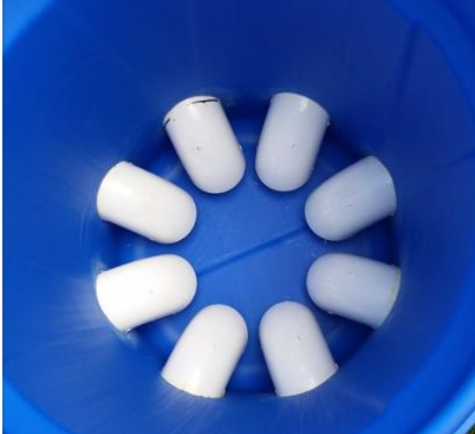
- Use 3″ PVC street elbows — these curve downward to keep feed dry.
- Push each elbow snugly into its hole. The tight fit reduces the need for adhesive.
- Ensure the opening is angled downward to prevent moisture from entering.
🌽 Step 5: Fill With Feed and Test
- Stand the barrel upright and unscrew the lid (now at the top).
- Fill with chicken feed.
- Watch the feed flow through gravity into each elbow.
- Let your chickens test it — they’ll learn quickly where to peck!
Optional Enhancements
- Add a lid extension or mini-roof if placed outdoors for added rain protection.
- Drill small drainage holes in the elbow base (inside) in case moisture gets in.
- Elevate the barrel slightly using bricks or blocks to prevent dirt buildup at the base.
🐓 Expert Insight: Dr. Leila Nour, Poultry Nutritionist
“Feed waste is one of the top hidden costs in backyard poultry. DIY gravity feeders, when built properly, can cut losses by over 50%. Just make sure the feeder stays dry, has good access for all birds, and is cleaned monthly.”
⚕️ Health & Safety Tips for Chickens
- ✔️ Check daily to ensure feed is flowing — sometimes large pellets can clog.
- ✔️ Clean out moldy feed or debris once a month.
- ✔️ Use only food-grade barrels — no chemical residues or oils.
- ✔️ Avoid metal barrels that may rust and contaminate feed.
- ✔️ In cold climates, store feeder in a sheltered area to prevent moisture buildup.
💡 Feeding Schedule & Nutrition Tips
| Type of Chicken | Feed Type | Daily Amount per Bird |
|---|---|---|
| Layers (Hens) | Layer pellets or crumbles | ~1/4 lb (~114g) |
| Broilers | Starter/grower feed | ~1/3 lb (~150g) |
| Chicks | Starter feed | Free choice (adjust by age) |
| Mixed Flock | All-flock feed + calcium side dish | ~1/4 lb per bird |
❓ Frequently Asked Questions (FAQs)
1. How many elbows should I install?
For up to 10 chickens, 2–3 elbows are plenty. For 15–20 chickens, install 4–5 elbows to reduce competition.
2. Why run the drill in reverse?
Reversing the drill reduces friction and prevents the hole saw from grabbing the plastic, which often causes cracks.
3. What kind of barrel should I use?
Only use barrels labeled “food-grade.” Avoid any that stored chemicals, oils, or non-food materials.
4. Can this feeder be used outdoors?
Yes! But elevate it off the ground and consider adding a weather cover or shielding it from direct rain.
5. How do I keep rodents out?
Place feeder on a stand and keep the area clean. Some add a cover flap to PVC elbows at night.
6. Do the elbows need glue or sealant?
If the fit is tight, no glue is needed. If water is a concern, use a food-safe silicone caulk around the joints.
7. How often should I clean the feeder?
Inspect weekly and deep clean monthly to prevent mold or feed spoilage.
8. What feed works best in this setup?
Dry crumbles or small pellets flow best. Avoid whole grains or wet mash in this system.
9. Can I make this with a smaller barrel?
Yes! Any size barrel (even 10–15 gallons) will work. Adjust hole placement and number of elbows accordingly.
10. Is this feeder safe for chicks?
Use caution — the elbows may be too high or wide for chicks. Stick with chick-specific feeders until they grow.
✅ Final Thoughts
Turning a 28-gallon barrel and some PVC elbows into a powerful gravity feeder is not only budget-friendly but incredibly practical. It’s one of the best backyard poultry upgrades you can make — and takes less than an hour to build!
Whether you’re looking to save time, reduce feed waste, or simply love a good DIY project, this feeder checks all the boxes. And best of all, your chickens will be well-fed and happy with minimal effort from you. 🐔💚