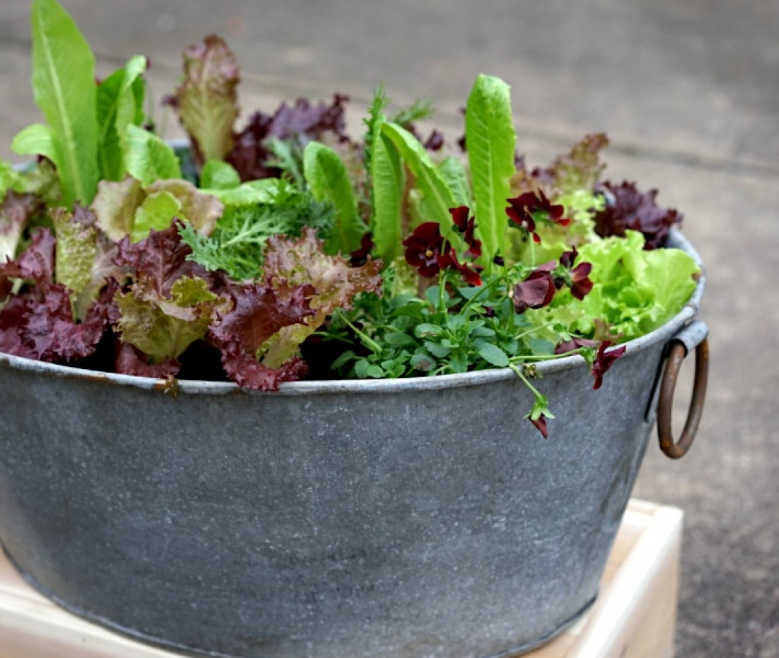
The Fastest and Easiest Way to Grow Lettuce at Home
If you love fresh, crisp lettuce, why not grow it at home? Lettuce is among the easiest and quickest vegetables to cultivate — perfect for beginners and experienced gardeners alike. Whether you have a backyard garden, a balcony, or even just a small indoor space, you can grow delicious, organic lettuce in no time. This guide walks you through the simplest, most effective way to grow lettuce for continuous harvests. 🥬🌱
Why Grow Lettuce at Home?
- Quick harvest cycles: Many lettuce varieties mature in 30–45 days; baby‑leaf lettuce can be ready in just 2–3 weeks — ideal for fast results.
- Minimal space needed: Lettuce grows well in containers, balcony planters, raised beds, or garden patches — no large plot required. ([RHS – Lettuce Growing Guide](https://www.rhs.org.uk/vegetables/lettuce/grow-your-own)) :contentReference[oaicite:1]{index=1}
- Continuous harvest potential: With the “cut‑and‑come‑again” method, you can harvest leaves multiple times from one sowing, giving a steady supply of fresh greens.
- Great for cool seasons or mild climates: Lettuce prefers cooler temperatures, making it suitable for spring, autumn, or shaded spots in warm seasons. :contentReference[oaicite:2]{index=2}
- Low maintenance: Lettuce doesn’t demand heavy feeding or complex care — just the right soil, regular moisture, and light. 🍃
Choosing the Right Lettuce Variety
For easy and fast growing, consider these types:
- Leaf/L loose‑leaf varieties (Looseleaf): These grow fastest and are ideal for “cut‑and‑come‑again” harvesting. Great for salads or baby‑leaf mixes. :contentReference[oaicite:3]{index=3}
- Romaine (Cos): Crisp texture and slightly slower than leaf types, but still relatively easy. Good for salads and sandwiches.
- Butterhead (Bibb, Boston): Tender, softer leaves — lovely for fresh salads and wraps. Needs a bit more space but still manageable at home.
- Heat‑tolerant or slow‑bolting varieties: If you live in a warm climate (or summer gets hot), these will give you a longer harvest window before the plant “bolts.” :contentReference[oaicite:4]{index=4}
Step 1: Pick Your Growing Method & Prepare Soil
🌱 Soil‑Based / Container / Balcony Gardening
- Choose a container with drainage — for leafy lettuce, a pot at least 15–20 cm deep works. For head‑type lettuce, slightly deeper containers are better. :contentReference[oaicite:5]{index=5}
- Use a light, well‑draining soil mix. A blend of potting soil + compost (or organic matter) works well. Compost enriches soil and supports healthy, leafy growth. :contentReference[oaicite:6]{index=6}
- Moisten soil before sowing so it’s evenly damp but not waterlogged. Lettuce seeds germinate best in moist, cool soil. :contentReference[oaicite:7]{index=7}
💧 Hydroponic or Indoor Tray Method (Optional)
If you don’t have outdoor space — you can grow lettuce indoors under grow lights, using trays or shallow containers, provided you ensure drainage, good ventilation, and appropriate lighting (natural or artificial). :contentReference[oaicite:8]{index=8}
Step 2: Sowing Seeds or Planting Seedlings
- Sow seeds shallowly: Lettuce seeds are tiny — sprinkle them lightly on soil surface, then cover with a thin layer (~ 0.5 cm) of soil or compost. :contentReference[oaicite:9]{index=9}
- Spacing depends on type: For loose‑leaf or baby‑leaf, you can sow more densely (since you harvest from outer leaves). For head‑forming lettuce, thin or transplant so each plant has enough room (about 20–25 cm between plants). :contentReference[oaicite:10]{index=10}
- Water lightly after sowing: Use a gentle spray or watering can — keep soil moist until seedlings emerge, avoid flooding. :contentReference[oaicite:11]{index=11}
- Succession planting: For continuous harvests — sow new seeds every 1–2 weeks. This ensures a steady supply rather than a single harvest spike.
Step 3: Care, Watering & Light Requirements
🌤️ Light & Temperature
- Lettuce prefers cooler weather — ideal daytime temps around 15–22 °C (60–72 °F). :contentReference[oaicite:12]{index=12}
- Provide 4–6 hours of sunlight per day, or bright indirect light if indoors. If it gets too hot (summer or strong sun), give some partial shade to avoid stress or bolting. :contentReference[oaicite:13]{index=13}
💧 Water & Moisture Management
Lettuce has shallow roots and dries out quickly — but over‑watering is also risky. Key points:
- Keep soil evenly moist but not waterlogged. Water when the top 1–2 cm of soil feels slightly dry. :contentReference[oaicite:14]{index=14}
- Avoid wetting leaves when watering — try to water directly at the soil/root level to reduce risk of fungal issues. :contentReference[oaicite:15]{index=15}
- Mulch lightly if you are using outdoor beds (or compost layer in pots) — helps retain soil moisture and keeps soil cooler during warm periods. :contentReference[oaicite:16]{index=16}
🌿 Feeding & Soil Health
Lettuce does not require heavy feeding but appreciates nutrient‑rich soil. A light compost amendment at planting or every few weeks supports healthy leaf production. Too much nitrogen may boost leafy growth but can weaken flavor — balance is key. :contentReference[oaicite:17]{index=17}
Step 4: Harvesting – Cut & Come Again or Full Heads
- Baby‑leaf or loose‑leaf lettuce: Harvest outer leaves once plants reach ~7–10 cm high (usually 2–3 weeks after sowing). Leave center leaves to continue growth — you can harvest repeatedly. This gives continual fresh greens. 👩🌾
- Head lettuce (butterhead, romaine, iceberg): Wait 30–45 days (depending on variety). When heads are firm and full, cut at the base for full‑head harvest. :contentReference[oaicite:18]{index=18}
- Regular harvesting encourages more growth: Removing outer leaves or mature heads prevents overcrowding and encourages remaining plants to grow vigorously. :contentReference[oaicite:19]{index=19}
Common Problems — Why Lettuce Might Bolt or Taste Bitter 🌡️
“Bolting” — when lettuce sends up a flowering stem instead of leafy growth — is a major cause of bitterness, poor taste, and ending your harvest early. 🌀
- High temperature:** If summer heat or prolonged warm weather hits, lettuce often bolts quickly, reducing leaf quality. :contentReference[oaicite:20]{index=20}
- Long daylight / long days: Increasing day length signals lettuce to bolt (many lettuce types respond to day‑length and temperature cues). :contentReference[oaicite:21]{index=21}
- Water or moisture stress: Drought, irregular watering, or soil drying triggers stress — a common bolting cause. :contentReference[oaicite:22]{index=22}
- Overcrowding: Tight spacing can stress roots and limit air circulation — both factors may lead to early bolting or poor growth. :contentReference[oaicite:23]{index=23}
Once bolting starts, the leaves often become bitter and the plant’s energy shifts to seed production. At that point, you can harvest remaining leaves quickly or pull up the plant and re‑sow. :contentReference[oaicite:24]{index=24}
Tips for Continuous Lettuce Growth & Harvest
- Succession sowing: Every 1–2 weeks, sow a new batch of seeds — this ensures you always have fresh young leaves. Good for regular salads all season. 🍽️
- Choose cool seasons: Plant in early spring or fall (or cooler periods) to avoid heat‑induced bolting. In hot climates, use partial shade or shade cloth. :contentReference[oaicite:25]{index=25}
- Use loose, nutrient‑rich soil + compost: Healthy soil supports leafy growth; compost helps supply balanced nutrients without overfeeding. :contentReference[oaicite:26]{index=26}
- Consistent moisture: Keep soil evenly moist — shallow roots need water regularly, but avoid soggy soil to prevent root problems. :contentReference[oaicite:27]{index=27}
- Harvest often: Frequent harvesting (especially outer leaves) encourages regrowth — and reduces overcrowding. :contentReference[oaicite:28]{index=28}
- Pay attention to weather / heat spells: If temperature rises, provide shade, increase watering, or harvest early to avoid bitterness due to bolting. :contentReference[oaicite:29]{index=29}
When & Where to Grow Lettuce: Best Conditions
Lettuce thrives best under these conditions:
- Cool to mild temperatures — daytime around 15–22 °C (60–72 °F), tolerates lower or slightly higher but avoid prolonged heat. :contentReference[oaicite:30]{index=30}
- Partial or full sun — 4‑6 hours of sunlight is ideal; avoid scorching direct midday sun in hot climates.
- Containers, balcony planters, window boxes, or garden beds with good soil and drainage — flexible enough for urban apartments or small gardens. :contentReference[oaicite:31]{index=31}
- Regular moisture and soil enriched with compost — supports leafy growth and healthy plants.
Why This Method Works — And What to Expect
This approach works because lettuce is naturally a “cool‑season, fast‑leaf‑producer” — it grows quickly if conditions are right, and doesn’t need deep roots or heavy feeding. What it dislikes is stress: heat, drought, compact soil, or long days trigger bolting (flower and seed production), which ruins leaf quality. :contentReference[oaicite:32]{index=32}
Using containers or pots gives you control over soil quality, drainage, watering, and positioning (sun/shade). Succession sowing + frequent harvesting lets you enjoy fresh lettuce over a long period without wasting time or space.
Conclusion — Fresh Lettuce at Your Fingertips 🥗
Growing lettuce at home can be one of the easiest, most rewarding kitchen‑garden projects. With minimal space, a container or small patch, some good soil, and regular care — you’ll have fresh, organic greens ready within weeks. Whether you’re a beginner or already love gardening, lettuce delivers quick results and steady harvests.
Follow these simple steps — choose the right variety, provide good soil & moisture, harvest often, and avoid heat stress — and you’ll never want to buy store‑bought greens again. 🏡🌿