⚡ Cloves for Wellness? Benefits, Risks, and What to Know First
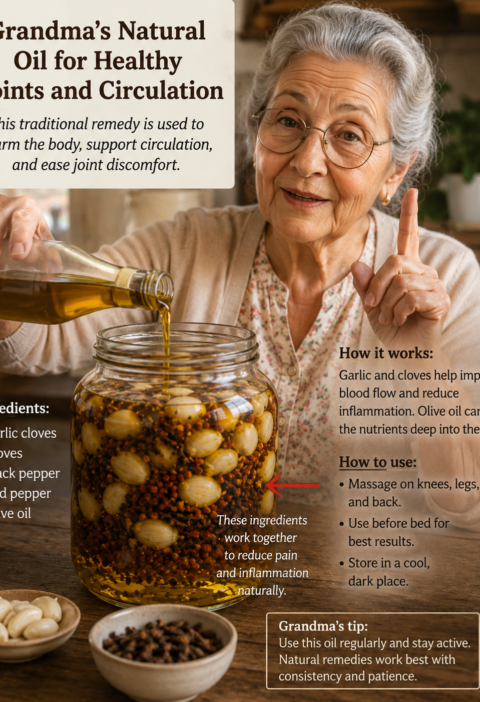
Cloves are going viral online.
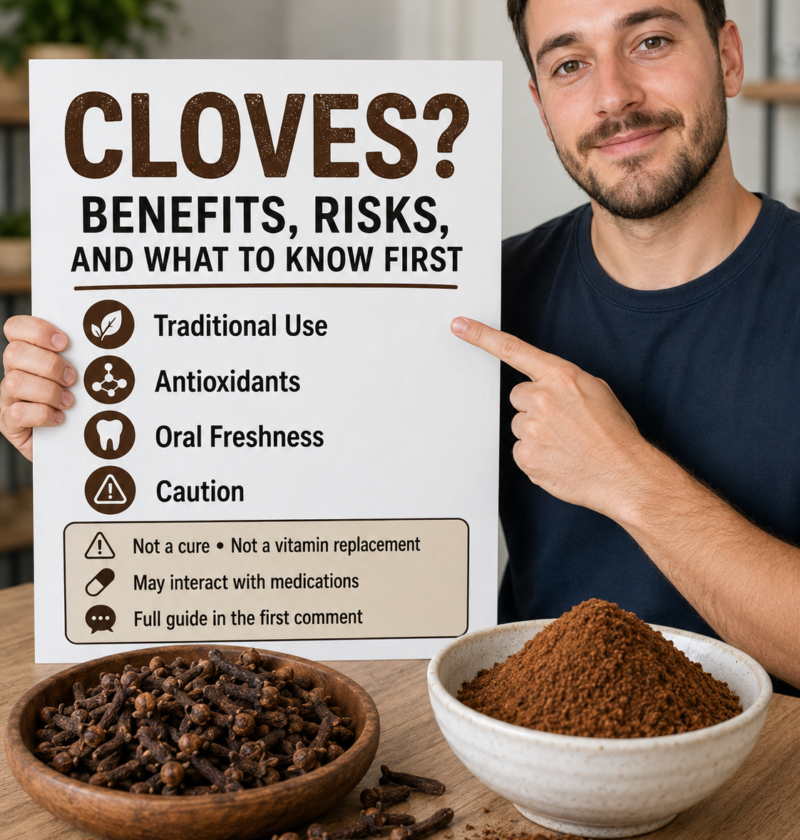
Some posts show whole cloves and ground clove powder.
Then they claim cloves are “the vitamin your body lacks” when you have pain in your legs and bones.
That sounds simple.
But it is not a safe claim.
Cloves are not a vitamin.
They do not diagnose a deficiency.
They do not cure leg pain.
They do not fix bone pain.
And they should not replace medical testing or advice.
Cloves are a common spice.
They are used in cooking, tea, oral freshness routines, and traditional wellness practices.
They contain a plant compound called eugenol.
But clove oil and concentrated clove products can be strong and may cause side effects.
Before using cloves as a daily routine, here is what to know first.
🌿 Why Cloves Became Popular Online
Cloves have a strong smell and warm flavor.
People use them in tea, desserts, rice dishes, sauces, spice blends, and holiday recipes.
Because cloves feel powerful, many online posts turn them into a miracle remedy.
That is where the problem starts.
Using cloves as a spice is different from using clove oil.
A few cloves in food are not the same as taking concentrated drops.
A mild clove tea is not the same as a supplement.
And ground cloves are not a vitamin replacement.
The safe way to explain cloves is simple:
They may be part of a traditional routine.
They may add antioxidants and flavor.
They may support oral freshness.
But they are not a cure.
🦴 Leg and Bone Pain: Do Not Guess the Cause
Leg pain and bone pain can have many causes.
It may be from muscle strain.
It may be from injury.
It may be from nerve issues.
It may be from circulation problems.
It may be from arthritis.
It may be from vitamin D deficiency.
It may be from low minerals.
It may be from another medical condition.
The NIH Office of Dietary Supplements says vitamin D deficiency in adults and teens can cause osteomalacia, which may cause bone pain and muscle weakness.
But that does not mean every person with leg pain has vitamin D deficiency.
And it does not mean cloves are the answer.
The only safe way to know if you lack a vitamin is testing and professional guidance.
🍂 What Cloves May Offer as a Spice
Cloves are dried flower buds from the clove tree.
They are used in small amounts because their flavor is very strong.
Cloves contain eugenol, an aromatic compound that gives clove oil its strong smell and flavor. LiverTox explains that eugenol, also called clove oil, is widely used as a flavoring in foods and teas and is also used in herbal oil products.
As a food spice, cloves may help:
Add flavor without much sugar
Make tea taste warm
Support oral freshness
Add plant compounds to meals
Fit into traditional cooking
But food use is different from medical use.
Cloves should not be promoted as treatment for pain, infection, diabetes, liver problems, or disease.
⚠️ Common Online Claim / Safer Truth
| Common Online Claim | Safer Truth |
|---|---|
| Cloves are the vitamin your body lacks | Cloves are a spice, not a vitamin |
| Cloves fix leg pain | Leg pain can have many causes and may need medical care |
| Cloves cure bone pain | Bone pain should not be treated with internet recipes |
| Clove powder replaces supplements | It does not replace vitamin or mineral testing |
| Clove oil is safe because it is natural | Clove oil can be strong and toxic in high amounts |
| More cloves means better results | More may increase side effects |
| Cloves cure tooth problems | Tooth pain needs dental care |
| Everyone can drink clove tea daily | Some people should ask a doctor or pharmacist first |
🦷 Cloves and Oral Freshness
Cloves are often connected with oral care.
The smell is strong.
The flavor feels fresh.
Some people use clove-containing products for mouth freshness.
But this does not mean cloves cure tooth pain, gum disease, cavities, or infections.
Dental problems need a dentist.
Clove oil can also irritate the mouth if used incorrectly.
Putting strong clove oil directly on gums or teeth can cause burning or irritation.
A safer approach is to use approved dental products and see a dentist for pain, swelling, bleeding, or infection.
🧴 Clove Oil Is Different From Whole Cloves
This is one of the most important safety points.
Whole cloves in food are usually used in tiny amounts.
Clove oil is concentrated.
That means it can be much stronger.
WebMD notes that clove oil contains eugenol, which may slow blood clotting, and it warns that clove oil might cause bleeding in people with bleeding disorders.
Clove oil should not be swallowed casually.
It should not be used by children without medical advice.
It should not be applied directly to sensitive skin or mouth tissue without proper guidance.
Natural oils can still be powerful.
💊 Medication Interactions: Ask First
Clove products may interact with some medications.
This is especially important for clove oil, supplements, extracts, or daily strong clove tea.
Be careful if you take:
Blood thinners
Aspirin
Antiplatelet medication
Diabetes medication
Liver medication
Pain medication
Medication before surgery
Daily supplements that affect bleeding
WebMD says cloves contain chemicals that might affect blood sugar and slow blood clotting, and it advises stopping clove at least 2 weeks before scheduled surgery.
If you take daily medication, ask a pharmacist or doctor before using concentrated clove products.
🚫 Too Much Clove Oil Can Be Dangerous
Clove oil should be treated carefully.
High amounts can be dangerous.
LiverTox notes that while therapeutic doses of eugenol have not usually been linked to liver injury, high-dose ingestions or overdose can cause severe liver injury.
A PubMed case report described a 15-month-old child who developed severe liver failure after ingesting 10 mL of clove oil.
This is why clove oil should be kept away from children.
It should never be treated like a simple kitchen ingredient.
Whole cloves and clove oil are not the same level of risk.
🤰 Pregnancy and Breastfeeding Caution
Cloves in food amounts are different from clove oil or clove supplements.
Pregnancy and breastfeeding are not the time to experiment with strong herbal oils or concentrated spice routines.
Pregnant or breastfeeding people should ask a healthcare provider before using clove oil, strong clove tea, or clove supplements.
A small amount of spice in food is one thing.
A daily medicinal drink or oil routine is another.
🔥 Stomach and Mouth Irritation
Cloves are strong.
Some people may feel irritation from clove tea, powder, or oil.
Possible side effects include:
Mouth burning
Throat irritation
Nausea
Stomach upset
Heartburn
Diarrhea
Skin irritation
Allergic reaction
People with acid reflux, ulcers, gastritis, sensitive mouth tissue, or digestive problems should be careful.
If cloves cause burning or discomfort, stop using them.
Wellness should not hurt.
🧒 Children and Clove Oil
Clove oil is not safe to treat casually around children.
Because it is concentrated, accidental swallowing can be dangerous.
Keep clove oil away from children.
Do not use clove oil for a child’s tooth pain unless a healthcare professional specifically says so.
Do not add clove oil to homemade drinks for children.
If a child swallows clove oil, contact poison control or emergency medical help immediately.
🛒 What to Look for When Buying Cloves
For cooking or tea, choose simple food-grade cloves.
Look for:
Whole cloves with a strong aroma
Clean packaging
No moldy smell
Trusted brand
Clear ingredient label
No disease claims
No “pain cure” promises
No “vitamin replacement” claims
For ground cloves:
Choose a fresh sealed container.
Check the expiration date.
Avoid old powder with weak smell.
Store away from heat and moisture.
Food-grade cloves are best used as spice, not as medicine.
🛍️ What to Look for When Buying Clove Products
If buying clove oil or supplements, be more careful.
Check:
External-use instructions
Supplement facts label
Clear dosage
Medication warnings
Pregnancy warning
Child safety warning
Brand reputation
Third-party testing if available
No “cure” claims
No “works better than medicine” language
Avoid products that promise:
Pain cure
Bone repair
Leg pain relief
Diabetes cure
Infection cure
Instant tooth pain fix
Vitamin replacement
Guaranteed results
These are red flags.
A responsible product should not make medical promises.
🍵 Safer Ways to Use Cloves
A safer routine keeps cloves in food amounts.
You can use cloves in:
Tea
Rice dishes
Stews
Soups
Baked apples
Spice blends
Chai-style drinks
Holiday recipes
Homemade sauces
A gentle clove tea may include:
Hot water
One or two whole cloves
Short steep time
No strong oil
No large spoonfuls of powder
No medical promises
If you are sensitive to spices, start small.
🚫 Mistakes to Avoid
Do not call cloves a vitamin.
Do not use cloves to diagnose leg pain.
Do not use clove powder as a vitamin replacement.
Do not drink strong clove oil.
Do not apply undiluted clove oil to gums.
Do not use clove oil for children without medical advice.
Do not take clove products before surgery without telling your doctor.
Do not combine clove supplements with blood thinners without asking a pharmacist.
Do not ignore persistent leg or bone pain.
🧠 The Real Wellness Takeaway
Cloves are a useful spice.
They can add flavor.
They may support oral freshness.
They contain plant compounds like eugenol.
But cloves are not a cure.
They are not a vitamin replacement.
They do not explain leg pain or bone pain.
Clove oil is concentrated and can be risky, especially for children, people taking blood-thinning medication, people with bleeding disorders, people preparing for surgery, and people with liver concerns.
The safest approach is simple:
Use cloves as food.
Be cautious with oils and supplements.
Ask a professional if you have symptoms or take medication.
✅ Final Answer: Should You Try Cloves?
Yes, cloves can be used as a spice in food or mild tea if you tolerate them well.
But do not use cloves as a treatment for leg pain, bone pain, tooth pain, diabetes, infection, or any serious health condition.
Cloves are not a vitamin.
They do not replace testing.
They do not replace medical care.
If you have ongoing leg pain, bone pain, weakness, swelling, numbness, or unexplained symptoms, talk to a healthcare professional.
If you take medication, have a bleeding disorder, have liver problems, are pregnant or breastfeeding, or are preparing for surgery, ask a doctor or pharmacist before using clove oil or clove supplements.
Cloves can be helpful in the kitchen.
But miracle claims should stay out of your health routine.