🌞 Why Vitamin D Matters in Modern Daily Life
In modern homes, wellness is no longer something people think about only at the doctor’s office. It lives quietly in everyday routines: the morning light that enters the kitchen, the nourishing meals prepared after a long day, the small supplements arranged neatly in a bathroom cabinet, and the calming rituals that make a home feel cared for.
One nutrient that often appears in conversations about bone comfort, muscle function, and overall body support is vitamin D. It is sometimes called the “sunshine vitamin” because the body can make it when skin is exposed to sunlight. But modern living has changed the way people interact with the sun. More time indoors, office work, sunscreen use, seasonal weather, covered clothing, and limited outdoor routines can all influence vitamin D levels.
Vitamin D helps the body absorb calcium, an essential mineral for strong bones. It also supports normal muscle function and nerve communication. Low vitamin D can be linked with bone pain and muscle weakness, though leg pain and bone discomfort can have many different causes and should not be self-diagnosed. (ods.od.nih.gov)
That is why a smart approach is not fear-based. It is balanced, practical, and informed.
A premium wellness home is not built around quick fixes. It is built around fundamentals: good light, thoughtful food choices, a calm environment, consistent routines, and responsible health decisions.
🦴 The Connection Between Vitamin D, Bones, and Everyday Comfort
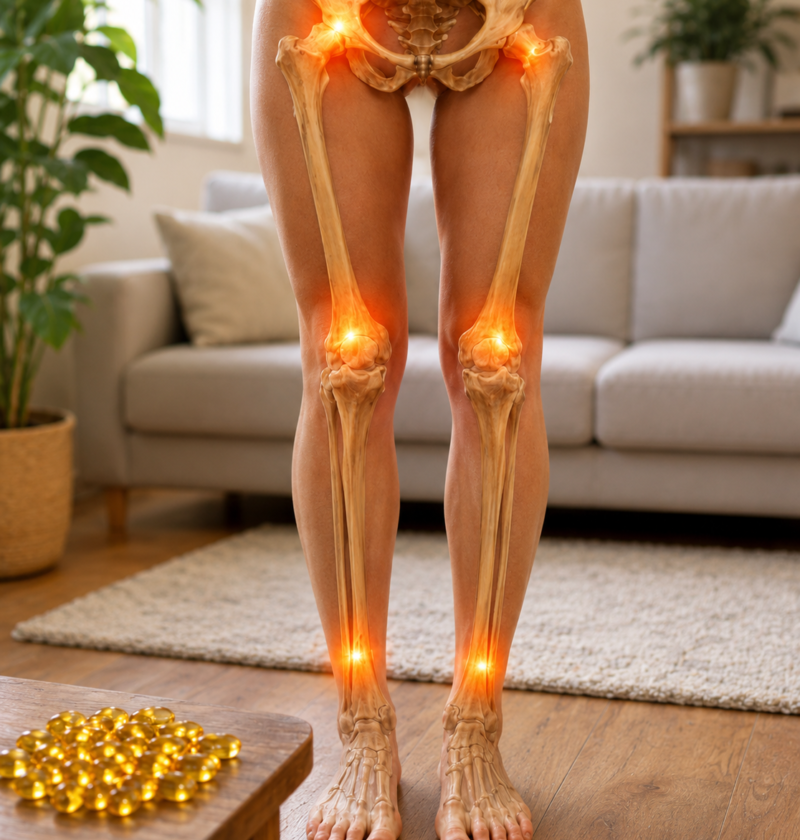
When people see the phrase “legs and bones hurt,” they often immediately look for one missing vitamin. Vitamin D is commonly discussed because deficiency can affect bone and muscle health. In children, severe deficiency may cause rickets, while in teens and adults it can contribute to osteomalacia, a condition associated with bone pain and muscle weakness. (ods.od.nih.gov)
However, it is important to be careful. Not every ache means vitamin D deficiency. Leg discomfort may also come from overuse, poor sleep, posture, dehydration, injuries, growth-related discomfort, low iron, joint issues, or other medical reasons. Persistent, severe, or unusual pain deserves proper medical attention.
Still, vitamin D remains important because it works behind the scenes. It supports how the body uses calcium and phosphorus, nutrients needed for bones, teeth, and muscles. (nhs.uk)
In a modern lifestyle context, this makes vitamin D more than a supplement topic. It becomes part of a wider wellness design: how the home supports healthy routines, how meals are planned, how sunlight is welcomed, and how daily comfort is protected.
🏡 Why Vitamin D Awareness Matters in Modern Homes
A beautiful home is not only about marble countertops, soft linen curtains, and minimalist shelving. It is also about how the space makes people feel.
When the body feels tired, heavy, or uncomfortable, even the most stylish room can feel less relaxing. Wellness-focused design understands this connection. The goal is to create rooms that support energy in the morning, calm in the evening, and consistency throughout the day.
Vitamin D awareness fits naturally into this idea because it influences several lifestyle factors:
🌤️ Atmosphere
Natural light changes the emotional quality of a home. A sunlit kitchen feels more inviting. A bright workspace feels more energizing. A softly illuminated bedroom feels more peaceful in the morning.
Even though sunlight exposure should be safe and moderate, designing a home to receive natural light can encourage better daily rhythms.
🧘 Calmness
Wellness routines reduce decision fatigue. When breakfast, hydration, movement, and supplement storage are organized, the day feels less chaotic.
A calm home makes healthy habits easier to repeat.
🪴 Visual Appeal
Vitamin D routines can be integrated beautifully. A clean breakfast tray, a glass water carafe, a small ceramic supplement organizer, and a bowl of vitamin-D-supportive foods can become part of a polished lifestyle aesthetic.
The best wellness habits do not need to look clinical. They can look elegant.
🤍 Emotional Comfort
People feel more secure when their home supports their body’s needs. A warm morning corner, a supportive chair, a tidy kitchen, and a peaceful bathroom routine all contribute to emotional comfort.
✨ Cleanliness Perception
A well-organized wellness space often feels cleaner, fresher, and more intentional. Supplements stored properly, food kept fresh, and counters kept uncluttered create a sense of order.
In high-end homes, cleanliness is not only about hygiene. It is also about visual calm.
🍳 Where Vitamin D Fits Into the Home
Vitamin D awareness can be woven naturally into different areas of the home. It does not need to feel like a medical project. It can become part of a refined daily rhythm.
🌿 Kitchen
The kitchen is where vitamin D habits often begin. Some foods naturally contain vitamin D, while others may be fortified, such as certain dairy products, plant milks, cereals, and orange juice depending on the country and brand. Fatty fish and egg yolks are also commonly mentioned dietary sources. (ods.od.nih.gov)
A modern kitchen can support this through:
- A breakfast station with fortified foods
- A clean supplement drawer away from heat and moisture
- A weekly meal plan that includes bone-supportive nutrients
- A sunny breakfast nook that encourages a peaceful morning routine
The kitchen becomes more than a place to cook. It becomes a wellness anchor.
🛋️ Living Room
The living room shapes how people rest and move. A room that encourages gentle stretching, good posture, and natural light can support daily comfort.
A soft rug near a bright window, an uncluttered walking path, and furniture arranged for movement can make a difference in how the body feels at home.
🛁 Bathroom
Many people store supplements in the bathroom, but this is often not ideal because bathrooms can be humid. Quality supplements are usually better kept in a cool, dry place, unless the label says otherwise.
Still, the bathroom can support wellness through routine. A calm evening bath, proper grooming lighting, and organized cabinets can make health habits feel intentional rather than rushed.
🚪 Entryway
The entryway affects outdoor behavior. Comfortable shoes, a walking jacket, a sun hat, and a reusable water bottle placed near the door can encourage short outdoor walks.
This is where design becomes behavior. A practical entryway can gently remind the body to move.
💻 Workspace
Many people spend long hours indoors at desks. A workspace near natural light, paired with standing breaks and proper seating, can support overall comfort.
A premium workspace is not just visually beautiful. It protects energy.
💎 How to Choose the Best Vitamin D Product Responsibly
When people search for vitamin D, they often find capsules, softgels, sprays, gummies, and liquid drops. This can feel overwhelming. The best choice depends on personal needs, age, diet, medical history, and blood test results.
For anyone under 18, it is especially important to involve a parent, guardian, pharmacist, or healthcare professional before taking supplements regularly.
🌞 What to Look for in Quality
A quality vitamin D product should feel trustworthy before it ever reaches the body. Look for:
- Clear labeling of the form of vitamin D
- Transparent dosage information
- Third-party testing where available
- Simple ingredient lists
- Proper expiration date
- Storage instructions
- Reputable manufacturer standards
Vitamin D exists mainly as D2 and D3 in supplements. Both can be absorbed, while many products use D3. The right choice depends on personal needs and professional guidance. (ods.od.nih.gov)
🧴 Premium vs Regular Differences
A premium vitamin D product is not automatically better just because it costs more. The real differences are usually in testing, ingredient quality, packaging, form, and user experience.
Premium options may offer:
- Cleaner ingredient profiles
- Better packaging protection from light
- More precise dropper or capsule design
- Third-party testing
- Allergen-conscious formulas
- Better taste or texture for liquids and gummies
Regular options can still be effective when properly labeled and safely used. The smartest buyer looks beyond branding and checks quality signals.
⚠️ Common Mistakes Buyers Make
Many people make the same mistakes when choosing vitamin D:
- Buying based only on viral claims
- Taking high-dose products without testing
- Ignoring the difference between maintenance and deficiency treatment
- Forgetting that too much vitamin D can be harmful
- Storing supplements in hot or humid areas
- Expecting one vitamin to solve every ache
Vitamin D toxicity is possible, usually from excessive supplement intake, and can lead to high calcium levels and serious health problems. (ods.od.nih.gov)
This is why responsible use matters.
🌿 Practical Usage Ideas in Modern Homes
Vitamin D habits become easier when they are connected to routines people already enjoy.
A calm morning routine might include opening the curtains, drinking water, eating a nourishing breakfast, and stepping outside briefly when appropriate. A family routine might include planning meals that support bone health. A work-from-home routine might include a short walk during a lunch break.
The most successful wellness habits are rarely dramatic. They are simple, repeated, and built into the home environment.
Imagine a quiet Sunday morning: sunlight moves across the floor, breakfast is prepared slowly, a ceramic bowl holds fruit, and the week’s wellness routine is reviewed without stress. This is where health and home design meet. It is not about panic. It is about creating a life that supports the body gently and consistently.
🔍 The Curiosity Most People Miss
Vitamin D is important, but it works best as part of a bigger lifestyle picture. The real question is not only, “Am I missing vitamin D?” The better question is, “Is my home helping me build the habits my body needs every day?”
That is where Page 2 becomes even more useful—because the deeper value is in how to use vitamin D awareness wisely, style it into daily life, avoid common mistakes, and create a home routine that feels both beautiful and sustainable.