✨ The Kitchen Leaf That Quietly Entered Beauty Rituals
Some beauty trends arrive with loud promises, glossy packaging, and complicated ingredient lists. Others begin in a much quieter way. They live in old family habits, handwritten remedy notebooks, and the memory of someone in the kitchen simmering herbs on the stove. Bay leaves belong to that second world. They are familiar, fragrant, and deeply woven into traditional life. Most people know them as a cooking ingredient, but in many homes they have also been appreciated for personal care rituals, herbal rinses, and simple skin-supporting routines.
That is part of what makes bay leaves so fascinating in modern wellness conversations. They do not feel like a trendy invention. They feel rediscovered. At a time when many people are trying to simplify their skincare, reduce exposure to overly harsh formulas, and reconnect with plant-based habits, bay leaves have started to attract fresh curiosity. Can this common leaf do more than flavor soup? Could it play a gentle role in supporting skin that looks fresher, calmer, and more vibrant?
The idea is appealing because it fits a wider shift in how people think about beauty. A youthful appearance is no longer seen only as a matter of covering imperfections. More readers now care about skin that looks balanced, cared for, and naturally alive. They want glow rather than heaviness, comfort rather than irritation, and routines that feel sustainable rather than exhausting. In that search, traditional botanical ingredients are gaining attention once again. Bay leaves have stepped into that conversation as a humble but intriguing contender.
The truth is that bay leaves are not a miracle cure, and they should not be treated as one. But they are rich in aromatic compounds and antioxidants, and they have a long cultural history in herbal traditions. That combination is enough to inspire thoughtful exploration. Used carefully and realistically, bay leaves may offer supportive benefits within a broader skincare lifestyle focused on hydration, gentle cleansing, healthy eating habits, sun awareness, and consistency.
This is where the story becomes more interesting. Bay leaves are not just about what they contain. They are also about the rituals built around them. Steaming, infusing, rinsing, and blending herbs for the skin were once everyday acts in many homes. These rituals created a sense of care that modern skincare often overlooks. There is something powerful about slowing down, preparing something by hand, and giving your skin attention in a calm, mindful way. Even before any leaf touches water, that mindset changes the experience.
So why are people talking about bay leaves for skin today? Because they sit at the crossroads of tradition and curiosity. They are affordable, widely available, naturally aromatic, and easy to include in simple home routines. They invite experimentation without demanding a shelf full of products. And perhaps most importantly, they remind us that beauty has always had roots in the kitchen, the garden, and the wisdom passed between generations.
📚 Understanding Bay Leaves in a Skincare Context
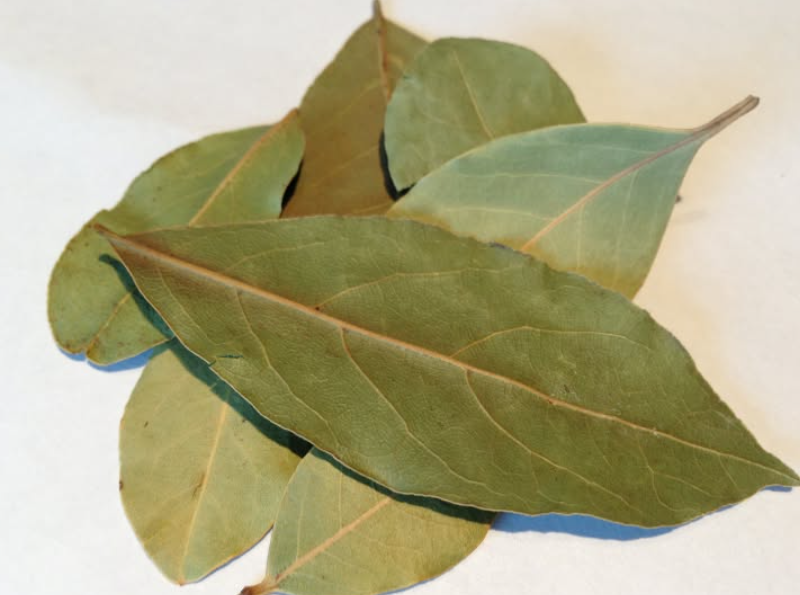
Bay leaves usually come from the bay laurel plant, an evergreen tree known for its glossy leaves and warm, herbal aroma. In cooking, those leaves are added to rice, soups, sauces, stews, and braised dishes to give depth and fragrance. In traditional home care, however, bay leaves have been valued for other reasons. Their scent, their natural plant compounds, and their role in herbal preparations helped them earn a place beyond the dinner table.
When used in beauty traditions, bay leaves were often infused in hot water, combined with other herbs, or used in external preparations meant to refresh the skin and scalp. They were not usually thought of in the modern language of anti-aging skincare, but the intention behind their use was familiar: maintaining a clearer complexion, encouraging freshness, and supporting skin that looked healthy and well cared for. In other words, they were part of routines that aimed to preserve appearance rather than transform it overnight.
A youthful appearance, after all, is influenced by many visible qualities. Skin that appears hydrated, smoother, calmer, and more even-toned often reads as younger and healthier. Ingredients that help support comfort, cleanliness, and antioxidant protection may contribute to that overall impression. That is why bay leaves are now being discussed in relation to skin vitality. The conversation is less about turning back time and more about helping skin look its best through simple supportive habits.
There is also a sensory dimension to bay leaves that should not be ignored. Their scent feels warm, grounding, and clean. That matters because skincare is not just chemistry. It is also ritual, emotion, and consistency. People are more likely to stay loyal to a routine that feels pleasant and soothing. Bay leaf preparations, especially when paired with steam or warm water, can create a spa-like moment at home. That experience alone can make the routine feel more nurturing and sustainable.
Still, it is important to approach the topic with balance. Bay leaves are not a replacement for sunscreen, a balanced diet, adequate sleep, or medically guided skincare when needed. They work best as part of a lifestyle that supports skin from multiple angles. Their potential lies in complementing good habits, not replacing them. That realistic view is exactly what makes this subject so useful for readers who are tired of exaggerated beauty claims and want a more grounded, natural approach.
🏺 The Traditional Background of Bay Leaves in Beauty and Home Care
Bay leaves have a long and symbolic history. In the ancient Mediterranean world, bay laurel was associated with honor, wisdom, and vitality. Wreaths made from laurel leaves crowned poets, athletes, and leaders. The plant carried prestige, but it also had a practical domestic life. Leaves and branches appeared in kitchens, baths, herbal bundles, and household remedies. Over time, that everyday presence helped bay leaves become one of the herbs many families trusted instinctively.
In different traditional settings, aromatic leaves were valued not only for their scent but for the feeling of cleanliness and renewal they created. Leaves might be steeped into water for washing, blended into herbal baths, or mixed into preparations intended to soothe the skin. Bay leaves fit naturally into that pattern. Their fragrance gave them a refreshing quality, while their plant profile made them attractive in herbal traditions focused on purification and daily care.
In some homes, herbal skincare was never a separate category at all. It was simply part of the weekly rhythm of life. Someone prepared an herbal rinse. Someone else simmered leaves and let the steam fill the room. A parent passed along a method for using simple botanical ingredients to support clearer-looking skin or a refreshed face after a hot day. These practices were often informal, but they mattered because they reflected a practical relationship with plants.
That historical context helps explain why bay leaves continue to hold emotional appeal today. They represent a style of beauty care that feels slower, more intuitive, and less commercial. Readers who are overwhelmed by endless skincare launches often respond strongly to ingredients that carry a sense of heritage. A bay leaf is not glamorous in the modern marketing sense, but that is exactly its charm. It feels dependable. It feels familiar. It feels like something that belongs to real life.
🔥 Why Bay Leaves Are Getting Attention in Modern Skin Conversations
The renewed interest in bay leaves for skin is part of a bigger shift toward plant-based self-care. More people are reading labels, questioning overly aggressive products, and seeking ingredients that feel gentler and closer to nature. At the same time, social media has created a new curiosity around traditional remedies, kitchen beauty rituals, and herbal water infusions. Bay leaves naturally fit into this trend because they are easy to find, affordable, and already trusted in the home.
Another reason they are gaining attention is that the skincare world has changed its language. Years ago, beauty marketing often focused on dramatic promises. Today, many readers prefer softer, more realistic terms like glow, balance, barrier support, skin comfort, and healthy-looking texture. Bay leaves enter the conversation through those ideas. Their appeal lies in their potential to support skin that looks refreshed and cared for rather than artificially altered.
There is also a growing appreciation for antioxidant-rich plant ingredients in skincare routines. Environmental stress, dryness, and the visible effects of a busy lifestyle can leave skin looking dull or tired. People are increasingly interested in ingredients that may help skin maintain a brighter, more resilient appearance. Bay leaves have become part of that curiosity, especially in DIY circles where herbal infusions and natural toning waters are popular.
But perhaps the biggest reason bay leaves are being talked about again is emotional. They offer a return to something simpler. A person can make a bay leaf facial steam or herbal rinse without spending much money. They can transform an ordinary evening into a calming ritual. In a beauty landscape crowded with expensive promises, that kind of simplicity feels refreshing.
🧪 Key Plant Compounds That Make Bay Leaves Interesting for Skin
Bay leaves contain a mix of naturally occurring compounds that help explain why they have earned interest in traditional and modern skincare discussions. These compounds do not turn the leaf into a miracle ingredient, but they do make it worth exploring in thoughtful home care routines.
🍃 Antioxidant Compounds
Bay leaves contain plant antioxidants, which are often valued because they help protect against oxidative stress. In the context of skin appearance, antioxidant support matters because skin is constantly exposed to environmental factors that can contribute to dullness and visible fatigue. When people talk about maintaining youthful-looking skin, antioxidants often become part of the discussion because they support a fresher overall look.
🌸 Aromatic Essential Components
The strong scent of bay leaves comes from naturally aromatic compounds. These are part of what makes bay leaves feel cleansing and invigorating in herbal water, steam, and rinse preparations. Aroma may seem secondary, but it affects how a skincare ritual feels. A pleasant herbal scent can make routines more enjoyable and calming, which encourages consistency.
💧 Plant Polyphenols
Polyphenols are often discussed in wellness because they are found in many botanicals associated with protective and supportive properties. In skincare conversations, polyphenol-rich plants are often appreciated for helping skin look more vibrant and less tired over time when included in a broader care routine.
🌿 Naturally Cleansing Properties
Traditional users often valued herbs like bay leaves for the sense of freshness they created. This is one reason bay leaf water and herbal rinses became part of home care. Skin that is gently cleansed and refreshed tends to look brighter and more awake, which naturally contributes to a more youthful appearance.
💚 Potential Benefits of Bay Leaves for a More Youthful Appearance
1. ✨ Helping Skin Look Fresher and More Awake
One of the most immediate reasons people turn to herbal facial preparations is the visible boost in freshness they can give the skin. Bay leaf steam, bay leaf-infused water, or a carefully prepared rinse can become part of that refreshing ritual. When skin feels clean, comfortably warmed by steam, and gently awakened, the face often appears more lively. That matters because tired-looking skin is one of the first things people associate with aging.
A fresh appearance is not about dramatic change. It is about subtle cues: a more comfortable surface, a cleaner feel, and a complexion that looks less flat or congested. Bay leaves may support this effect by fitting into routines that encourage gentle cleansing, circulation, and a sense of renewal. The result can be skin that appears better rested even on ordinary days.
2. 🌟 Supporting a Brighter-Looking Complexion
Dullness can make skin look older than it is. Many people are not chasing perfection; they simply want their skin to look clearer, smoother, and more radiant. Bay leaves have attracted attention because of their antioxidant profile and their place in cleansing herbal rituals. While they are not a substitute for targeted skincare, they may complement efforts to maintain a brighter overall look.
Herbal preparations can be especially appealing when the goal is to simplify. Instead of layering too many products, some people prefer one or two calm rituals that help the skin feel refreshed. A bay leaf facial rinse after cleansing, for example, can become a soothing step that contributes to that bright, just-cared-for appearance many readers love.
3. 🍃 Encouraging the Feeling of Cleaner, Calmer Skin
Skin often looks more youthful when it appears balanced. That does not necessarily mean shiny or matte. It means comfortable. When the surface of the skin seems less stressed and more settled, the entire face benefits. Traditional bay leaf preparations were often used because they felt purifying and clarifying. That sense of cleanliness can be especially appealing for those who enjoy herbal self-care.
Bay leaves are frequently discussed in connection with gentle skin comfort. When skin feels calmer, people are less likely to overdo harsh routines that can leave the face stripped or irritated. In that sense, bay leaves may encourage a softer approach to skincare, and that softer approach alone can improve how the skin looks over time.
4. 💦 Complementing Hydration-Focused Routines
Youthful-looking skin usually has one thing in common: it does not look dehydrated. Fine lines, rough texture, and a tired finish often appear more obvious when the skin lacks moisture. Bay leaves do not replace moisturizers or hydrating serums, but they may fit nicely into a hydration-friendly routine. A cooled bay leaf infusion used after cleansing can feel soothing before moisturizer is applied, helping create a ritual that centers comfort and replenishment.
This matters because rituals influence habits. Someone who takes time to prepare a gentle botanical rinse is often also the kind of person who moisturizes consistently, drinks enough water, and respects the skin barrier. Bay leaves can therefore become part of a broader system that supports a plumper, healthier appearance.
5. 🌼 Adding Antioxidant Interest to Natural Skincare
One reason bay leaves stand out in natural beauty discussions is their connection to antioxidants. Antioxidants are valued in skincare because they help support skin exposed to everyday environmental stress. Modern life brings sun exposure, pollution, indoor dryness, and general lifestyle strain. A routine that includes antioxidant-rich botanical elements may help skin look more resilient and alive.
Bay leaves are not the only plant with antioxidant appeal, of course, but they are an accessible option. Their familiarity makes them less intimidating than rare ingredients, and that helps readers feel more confident exploring them. For someone building a gentle botanical skincare ritual, bay leaves can feel like an easy place to start.
6. 🌿 Supporting Gentle Weekly Skin Rituals
Not every benefit comes from chemistry alone. Some come from repetition. Bay leaves are ideal for rituals because they are simple to prepare and naturally aromatic. A weekly facial steam, herbal compress, or bay leaf rinse can turn skincare into a more intentional act. That consistency often shows on the face. Skin tends to look better when it is cared for regularly rather than treated aggressively in cycles.
A youthful appearance is strongly connected to how skin is treated over time. Gentle rituals promote patience. They encourage observation. They help people avoid the frustration-driven habit of trying too many products at once. Bay leaves fit beautifully into that slower rhythm of care.
7. 😊 Helping the Face Look Less Tired Through Self-Care Rituals
Beauty is not only about ingredients touching the skin. It is also about what those routines do for stress, rest, and mood. Preparing bay leaf water, inhaling the herbal steam, or taking a few minutes to press a warm cloth over the face creates a restorative pause. Stress often shows on the skin through dullness and tension. A calm face can look noticeably more youthful.
This is one of the most underrated reasons natural rituals matter. They create a bridge between skincare and nervous system comfort. When readers say they want a more youthful look, they are often also asking for a less exhausted one. Bay leaf rituals can support that feeling of reset.
8. 🌺 Pairing Well With Other Gentle Botanical Ingredients
Bay leaves are rarely used alone in traditional home care. They are often paired with rose water, chamomile, green tea, cucumber, or oatmeal-based routines. This versatility increases their appeal. Someone interested in a botanical approach can incorporate bay leaves into broader rituals designed for freshness and comfort.
That flexibility matters because skincare is personal. Some people enjoy warm steam. Others prefer cool compresses or simple rinses. Bay leaves adapt well to different styles, which makes them practical for readers who want natural options without rigid rules.
9. 🌞 Contributing to the Look of Better-Maintained Skin Over Time
The most realistic beauty benefits are gradual. Bay leaves are best understood this way. They are not likely to deliver a dramatic transformation, but they may contribute to better-maintained skin when used consistently as part of a balanced routine. That means cleansing gently, moisturizing well, using sun protection, managing stress, eating nutrient-rich foods, and using natural rituals thoughtfully.
Over time, these habits can influence the skin’s overall appearance in meaningful ways. The face may look more even, more comfortable, and more cared for. Bay leaves can belong to that long-term story.
🌍 Traditional Uses of Bay Leaves in Different Cultures
Across regions, bay leaves have been valued for more than flavor. In Mediterranean homes, bay laurel carried symbolic and practical importance. It appeared in cooking, herbal bundles, and domestic rituals meant to create a sense of freshness and wellness. In parts of the Middle East and North Africa, aromatic herbs were often used in home steaming and cleansing customs, especially in beauty routines linked to bath culture and herbal self-care.
In some folk traditions, leaves were steeped into water for washing or combined with other plants for scalp and skin care. In others, aromatic herbs were used in steam rituals intended to open the senses, refresh the face, and create an atmosphere of calm. Even where exact methods differed, the logic was similar: plants with scent, warmth, and supportive qualities belonged in both the kitchen and personal care.
That shared history gives bay leaves a unique beauty identity. They were never only culinary. They were part of the domestic pharmacy, part of the bath, part of the weekly rhythm of care. This cultural depth is one reason they continue to feel meaningful today.
🔬 Modern Curiosity and Skincare Interest
Modern readers often approach ingredients like bay leaves from two angles at once. They are inspired by tradition, but they also want to understand what might explain those traditional uses. Bay leaves have attracted attention because of their antioxidant content, aromatic compounds, and role in herbal preparations that feel purifying and refreshing. Even when research around traditional beauty use is still evolving, the ingredient remains interesting because it aligns with current skincare priorities: gentleness, simplicity, and plant-based support.
What makes the discussion useful is moderation. Bay leaves should be explored with care, patch testing, and realistic expectations. Their role is supportive. They are best seen as part of a healthy skincare lifestyle rather than a stand-alone solution. That balanced perspective makes them especially well suited to wellness blogs and readers who value natural beauty without exaggeration.
And that brings us to the next chapter of the story. Knowing why bay leaves are interesting is only the beginning. The real magic lies in how people actually use them at home, how they turn them into practical rituals, and how small habits can shape skin over time. On the next page, we’ll explore exactly how to prepare bay leaves for skin, how to build them into a daily or weekly routine, what mistakes to avoid, and the safest ways to enjoy their potential benefits.