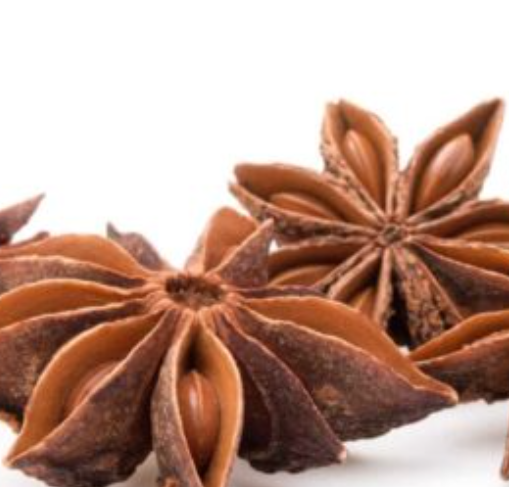
🌿 8 Health Benefits & Uses of Anise Seeds for Women — Backed by Tradition & Science
✨ Why Anise Seeds Are Suddenly Everywhere Again
There is a reason certain remedies never truly disappear. They may fade from the spotlight for a while, replaced by modern supplements, expensive powders, and glossy wellness trends, but then they quietly return—usually because people rediscover that simple things often fit real life better. Anise seeds are one of those timeless ingredients. Tiny, fragrant, and easy to overlook in the spice cabinet, they have been used for generations in teas, tonics, and traditional recipes designed to bring comfort, warmth, and balance. Now, as more women search for gentle daily rituals rather than dramatic overnight promises, anise seeds are finding their way back into the conversation.
For many women, especially after the age of 30, wellness starts to feel less like a trend and more like a personal strategy. Energy no longer feels unlimited. Digestion may become more sensitive. Stress seems to show up faster—in the stomach, in sleep patterns, in skin, and even in mood. That is often when old-fashioned kitchen remedies begin to look surprisingly modern. A simple cup of warm anise tea after dinner, or a spoonful of crushed seeds blended into a nourishing recipe, can feel like the kind of habit that belongs in a realistic life, not just in a perfect routine posted online.
What makes anise seeds especially interesting is the balance between tradition and modern curiosity. Across cultures, women have long used anise in ways connected to comfort, digestion, and overall feminine wellness. At the same time, science has started paying closer attention to the aromatic compounds inside these small seeds—particularly anethole and related plant compounds that may help explain why anise became so valued in the first place. No, it is not a miracle ingredient. It is something more believable than that: a practical, flavorful botanical with a long history and growing modern appeal.
And perhaps that is exactly why it resonates right now. In a wellness world full of extremes, anise seeds feel calm. They do not demand a complete lifestyle overhaul. They do not require a complicated protocol. They simply invite you to slow down, brew, sip, season, and notice how your body responds to small supportive habits over time.
🌱 What Exactly Are Anise Seeds?
Anise seeds come from Pimpinella anisum, a flowering plant native to regions of the Mediterranean and Southwest Asia. The seeds are small, ridged, and usually light brown to greenish in color. Their flavor is unmistakable—sweet, warm, and slightly spicy, with that familiar licorice-like note that makes them memorable even in tiny amounts. Although many people confuse anise with star anise because of the similarity in aroma, they are different plants. What they share is a distinctive scent profile, but the culinary and herbal traditions surrounding anise seeds have their own identity.
In kitchens around the world, anise seeds are used in breads, cookies, soups, herbal infusions, and after-meal preparations. In some homes, they are toasted lightly before being added to tea. In others, they are crushed and mixed into warm water or blended with other herbs. Their versatility is part of their charm. Anise can feel cozy in a winter drink, refreshing in a digestive tea after a heavy meal, or gently aromatic in a simple homemade tonic.
For women interested in natural wellness, what makes anise seeds attractive is not only flavor, but function. They have traditionally been used in ways associated with digestive ease, warmth, feminine balance, and comfort during certain recurring monthly phases. And while it is always important to avoid overstated health claims, it is also worth recognizing that ingredients do not earn centuries of use by accident. They tend to stay in the cultural memory because they are useful, accessible, and easy to incorporate into everyday life.
📜 The Long History of Anise Seeds in Women’s Traditions
Long before wellness blogs, many women learned about herbal ingredients from mothers, grandmothers, midwives, and community healers. Knowledge was passed down in kitchens, courtyards, gardens, and family gatherings. Remedies were rarely framed in technical language. Instead, they were described by experience. One tea was warming. Another soothed the stomach. Another brought comfort during the monthly cycle. Another helped after a large meal. Anise seeds belonged to this world of practical, lived herbal wisdom.
In parts of the Mediterranean, anise was valued not only as a flavoring agent but as a digestive aid used after meals. In the Middle East and North Africa, warm anise tea became part of daily rhythms, appreciated for its aromatic calm and familiar comfort. In South Asian traditions, seeds with digestive and refreshing qualities were often used after eating, and anise found its place in these routines as well. Across different regions, women incorporated it into habits that were less about dramatic intervention and more about ongoing support.
What is striking about traditional uses is how often they align with the kinds of wellness goals women still talk about today. Comfort after meals. A sense of ease during stressful days. A warm beverage to settle into the evening. Support during times when the body feels slightly out of rhythm. The language may be modern now, but the needs are very old.
These traditions also remind us of something important: wellness was never only about isolated ingredients. It was about rituals. The herb mattered, yes, but so did the act of pausing to prepare it. A woman drinking anise tea was not just consuming plant compounds. She was also taking a moment to care for herself in a way that felt grounded and familiar. That emotional and behavioral dimension is part of why traditional remedies continue to hold meaning today.
🔥 Why Women Are Talking About Anise Seeds Right Now
Modern wellness culture has created a strange contradiction. On one hand, there is more health information available than ever before. On the other hand, many women feel more overwhelmed than supported. Every week seems to bring a new superfood, a new routine, a new restriction, or a new list of things to avoid. In that environment, ingredients like anise seeds feel refreshing because they are simple, low-cost, and rooted in something older than marketing.
Women are also becoming more interested in ingredients that can fit naturally into everyday habits instead of existing as special products with a high price tag. A bag of anise seeds can last a long time. It can be used in tea, cooking, or homemade wellness blends. It does not require complicated equipment or a complicated identity. It just needs a place in your routine.
Another reason for renewed interest is that many women are exploring gentler forms of support rather than all-or-nothing approaches. Instead of waiting until something feels seriously off, they are looking for small habits that may help them feel more balanced on a regular basis. That is the exact kind of space where anise seeds shine. They are not about intensity. They are about consistency.
Social media has also played a role, of course. Traditional ingredients that were once considered old-fashioned are being rediscovered by younger audiences who are curious about cultural remedies, plant-based routines, and kitchen herbalism. But beyond the trend factor, anise seeds keep attention because they are pleasant to use. They smell good. They taste distinctive. They feel ritualistic. And habits that are enjoyable are often the ones that last.
🧪 What’s Inside Anise Seeds? Key Compounds Behind Their Reputation
Part of the interest in anise seeds comes from their aromatic plant compounds. The best-known of these is anethole, which gives anise much of its signature scent and flavor. Anethole is one of the reasons anise has attracted scientific curiosity over time, particularly in relation to its traditional uses. Alongside anethole, anise seeds also contain volatile oils and naturally occurring plant antioxidants that contribute to their profile.
These seeds are not usually consumed in huge amounts, which is an important point. Their value comes less from bulk nutrition and more from the concentration of aromatic compounds in small servings. This is often how culinary herbs and spices work. A pinch can do more than expected, not because it is a nutritional powerhouse in the same way as a vegetable, but because concentrated botanicals often contribute subtle support in specific ways.
Anise seeds also contain small amounts of minerals and plant compounds that may complement a balanced diet. But in wellness discussions, they are most often appreciated for how they are experienced: warming, soothing, fragrant, and satisfying. Their aroma alone can make a simple cup of hot water feel more intentional.
For women, especially those interested in botanical traditions, this matters. Wellness is not only chemical; it is sensory. The smell of the tea, the warmth of the mug, the sweet-spiced note on the tongue—these are part of why anise is remembered and repeated as a useful habit.
💪 8 Health Benefits of Anise Seeds for Women
1. 🌸 Anise Seeds May Support Digestive Comfort
If there is one benefit most often associated with anise seeds, it is digestive support. For generations, anise has been used after meals when the stomach feels heavy, bloated, or slow. Women who notice that digestion changes with age, stress, or hormonal shifts often become especially interested in simple herbal ingredients that can make meals feel easier to recover from.
The appeal here is practical. After a large lunch, a rich dinner, or a day of irregular eating, a warm cup of anise tea can feel settling in a way that is both gentle and satisfying. Its aroma alone can create a sense of lightness. Traditionally, this is one reason anise became part of after-meal customs in many cultures. Rather than reaching for something harsh, people reached for something warm and fragrant.
From a modern point of view, aromatic seeds are often studied because their plant compounds may play a role in the way the digestive system feels and functions. That does not mean anise is a cure-all. It means it may be a helpful companion for women who want a more comfortable relationship with meals and digestion as part of a broader healthy lifestyle.
2. ⚖️ Anise Seeds Have a Long Reputation in Women’s Hormonal Traditions
Anise seeds are often discussed in relation to feminine balance, and this is one of the reasons women continue to revisit them. Traditional herbal systems have used anise in ways that suggest a connection with women’s cyclical experiences and overall hormonal well-being. While modern science is still exploring the extent of this connection, the traditional reputation itself is worth noting because it has persisted across generations.
What women often want is not a dramatic solution but something that feels supportive during times when the body seems slightly more sensitive or inconsistent. That may include phases when mood, appetite, energy, or general comfort shift more than usual. Anise has historically been part of teas and preparations used during those moments because of its warming, aromatic, and gently comforting character.
This is one of the strongest examples of how tradition can keep an ingredient relevant even before science fully maps every mechanism. Women continue using anise because it has become part of a familiar language of care—something taken not because it promises perfection, but because it may help the body feel more at ease.
3. 🌙 Anise Tea Can Become a Calming Evening Ritual
Not every wellness benefit needs to be dramatic to matter. Sometimes the most valuable habits are the ones that help a woman shift from a busy day into a calmer evening. Anise tea fits beautifully into that category. Its naturally sweet aroma gives it a soothing character, and the act of preparing it encourages a slower pace.
For women balancing work, family, digital overload, and nonstop mental tabs running in the background, a simple evening ritual can be surprisingly powerful. Brewing anise tea after dinner or before bed becomes a signal: the day is softening. The body can begin to unwind. The mind can step away from urgency.
That does not mean anise is a sedative or a quick fix for stress. It means that sensory rituals matter, and anise is especially good at supporting them. The smell is comforting. The warmth is grounding. The taste is distinctive enough to feel special, yet gentle enough to become familiar. Over time, small rituals like this may support a greater sense of calm and consistency in a woman’s routine.
4. 🍽️ Anise Seeds Are a Smart Ingredient for Post-Meal Wellness Habits
Many women are not just looking for what to eat, but for what to do after eating. That is an underappreciated part of wellness. The hours after meals affect comfort, energy, and even mood. Anise seeds have long been useful in this space. Whether sipped as tea, chewed in tiny quantities, or included in spice blends, they are often associated with the desire to feel lighter and fresher after food.
This is especially valuable in modern life, where rushed meals, oversized portions, and distracted eating are common. A post-meal anise ritual can create a pause between eating and moving on to the next task. That pause alone may improve how a woman experiences her meals. It introduces mindfulness. It slows the pace. It helps meals feel completed rather than abruptly abandoned.
Because anise has such a distinctive flavor, it also leaves a refreshing aftertaste that many people enjoy. That sensory reset can be part of why it feels so satisfying after food. It closes the eating experience with intention.
5. ✨ Anise Seeds Provide Antioxidant Plant Compounds
Although anise seeds are usually consumed in modest amounts, they still contribute plant compounds that make them interesting from a wellness perspective. Like many herbs and spices, anise contains naturally occurring antioxidants. These compounds are frequently discussed because they help support the body’s overall defense against everyday oxidative stress, which is part of normal life and becomes a bigger wellness conversation as people age.
For women after 30, this matters because health goals often broaden. It is no longer only about immediate results. It becomes about support, resilience, and long-term habits. The spices and herbs used regularly in a kitchen may not seem dramatic, but they can quietly contribute to a more plant-rich, varied way of eating. Anise fits into that philosophy well.
The beauty of antioxidants from culinary ingredients is that they do not require a separate routine. You can get them through habits that already feel natural—brewing tea, seasoning food, making homemade infusions, or blending seeds into warm recipes. This makes the habit easier to sustain over time.
6. 🌼 Anise Seeds May Be Helpful During Recurring Monthly Discomfort
Among traditional uses of anise, one of the most commonly repeated is its use during the monthly cycle. Women in different cultures have long turned to warm herbal drinks made with anise when they wanted comfort, warmth, and ease. That does not make it a treatment, but it does explain why so many women continue to keep it nearby during certain times of the month.
Part of the appeal is simply how it feels. Warm, aromatic beverages can be comforting during days when the body feels heavier, more sensitive, or less settled than usual. Anise brings not only warmth but also a sweet-spiced quality that makes the ritual feel nurturing rather than medicinal. That matters. A remedy is easier to repeat when it feels pleasant.
For many women, the monthly cycle is not just a physical experience but an emotional and behavioral one too. Energy shifts. Food preferences change. The need for gentler routines becomes more obvious. Anise tea can slot naturally into those days as a small act of support that feels familiar and easy.
7. 💨 Anise Has Traditional Uses Linked to Seasonal Comfort
Another classic reason anise shows up in herbal traditions is its use in seasonal teas meant to bring comfort during colder months or times when the throat and chest feel like they need extra gentleness. Again, this is not about exaggerated claims. It is about the long-standing use of aromatic herbs in warming infusions designed to help people feel more comfortable.
For women, this can be part of a broader home-wellness toolkit. Instead of waiting until a season feels rough, many people like to keep certain ingredients around precisely because they create a sense of warmth and ease. Anise belongs in that category. Combined with warm water, perhaps alongside ginger or honey in some traditional preparations, it becomes part of the kind of drink people instinctively reach for when they want comfort.
Its fragrance also plays a role. Breathing in the steam from a hot mug of anise tea is part of the experience. The comfort is not only in the drinking, but in the inhaling, holding, and pausing.
8. 🌟 Anise Seeds Support a More Intentional Wellness Lifestyle
Perhaps the most underrated benefit of anise seeds is that they encourage habit-building. They are simple enough to use regularly, versatile enough to stay interesting, and pleasant enough that they do not feel like a chore. That combination makes them ideal for women who want wellness practices that are realistic.
A woman who adds anise to her life might begin with tea, then start using it in recipes, then build a calming evening habit around it, then pair it with other supportive rituals like better hydration or slower meals. In that way, one ingredient can become a gateway to a more intentional lifestyle.
This matters because true wellness is rarely about one magical food. It is about repeated choices that shape the rhythm of daily life. Anise seeds support that rhythm beautifully. They invite slowness. They reward consistency. They turn an ordinary cup of hot water into a moment of care.
🌍 Traditional Uses of Anise Seeds in Different Cultures
One of the most fascinating things about anise seeds is how many places have found a role for them. In Mediterranean kitchens, they appear in baked goods, liqueurs, and home remedies. In Middle Eastern households, anise tea is a familiar and comforting drink that often carries a sense of nostalgia as much as function. In parts of Asia and North Africa, aromatic seeds like anise are valued after meals for their refreshing and settling qualities.
Women have often been the keepers of these traditions. They knew which tea to brew after a heavy meal, which spice to add to comfort foods, which seeds to steep when someone in the home needed warmth or gentleness. These were not always written recipes. Often they were intuitive practices shaped by repetition and observation.
What makes these cross-cultural uses so compelling is their consistency. Even when recipes differ, the themes repeat: digestion, warmth, comfort, daily balance, and feminine care. When different cultures preserve similar uses for an ingredient over long periods of time, it suggests there is something about that ingredient people genuinely find valuable.
🔬 Why Science Is Interested in Anise Seeds Too
Modern research has not replaced tradition, but it has started asking interesting questions about why anise became so valued. Scientists have looked at anethole and other plant compounds present in anise seeds, exploring their antioxidant profile and their relevance to some of the uses long associated with the plant. This does not mean every traditional claim has been fully proven, and it is important to say that clearly. But it does mean traditional ingredients like anise are no longer dismissed as mere folklore.
What science often does best is add nuance. It may help explain why the aroma is so distinctive, why certain compounds matter, or why a seed used for centuries continues to attract interest. For women reading wellness content today, this balance is ideal. Tradition offers context and lived experience. Science offers frameworks and caution. Together, they create a more grounded understanding.
And perhaps that is the healthiest way to approach botanical ingredients: not as miracles, and not as myths, but as useful elements of a bigger picture.
🤍 Why Page 2 Matters Even More
Knowing the benefits is only the beginning. What most women really want to know next is how to use anise seeds in real life without overdoing it, wasting them, or making them taste too strong. Should they be crushed or boiled whole? Is tea the best option? Can they be added to food every day? What ingredients pair well with them? And what common mistakes make people give up too soon?
The truth is that anise seeds are simple, but using them well makes all the difference. In the next section, we will explore exactly how to prepare them, the best daily routines for women, additional uses that go beyond tea, lifestyle tips that make the habit more effective, mistakes to avoid, practical safety notes, and answers to the most common questions women ask before adding anise seeds to their wellness routine.