🌿 The Remarkable Benefits and Uses of Mullein Leaves
✨ The Quiet Plant With a Surprisingly Big Reputation
There are some plants that arrive with fanfare.
They show up in glossy packaging, trending wellness lists, and expensive formulations that make them sound almost mythical. And then there are plants like mullein—humble, soft, quiet, almost old-fashioned in appearance—yet surrounded by generations of respect from gardeners, herbal traditions, and people who still trust the wisdom of simple plants.
At first glance, mullein does not necessarily look like a modern wellness star. Its leaves are broad, velvety, and almost silvery in the right light. It feels more like something from an old countryside path than a social media trend. But that is exactly what makes it so fascinating. In an era obsessed with novelty, mullein leaves feel like a return to something slower and steadier. They remind people that not every useful plant needs a rebrand. Some have carried their reputation across centuries simply because people kept finding them helpful.
That enduring curiosity is why interest in the remarkable benefits and uses of mullein leaves has stayed alive for so long.
People are drawn to mullein for many reasons. Some first notice the plant in a field or garden and become curious about its thick, woolly leaves. Others encounter it in traditional herbal discussions and want to know why this particular plant continues to appear in conversations about plant-based wellness. Some are simply looking for gentler, simpler ways to support a balanced lifestyle and feel pulled toward plants with deep roots in folk practice. Mullein sits naturally at the intersection of all those interests.
And yet, the real appeal of mullein is deeper than trend or curiosity.
It is about trust.
Plants like mullein carry a kind of cultural memory. They feel as though they belong to a world in which people knew their landscapes intimately. A world where a walk through a field was also a walk through a living apothecary. A world where leaves, roots, flowers, and seeds each had their season, their purpose, and their place in household knowledge. Even people who did not grow up with that tradition often feel its pull. They sense that a plant so consistently mentioned across time must hold some genuine value.
That does not mean mullein is a miracle. It does not mean every story told about it should be repeated uncritically. Real credibility comes from looking at a plant carefully—its history, its characteristics, its traditional roles, and the reasons people still turn to it today. But once you begin that closer look, mullein becomes even more compelling, not less.
Its leaves are especially intriguing because they are the part of the plant many people picture first. Thick, fuzzy, almost cushion-like, they invite touch and attention. They look substantial. Protective. Useful. And in plant traditions, appearance often matters more than modern readers realize. Plants that feel soft, soothing, or steady often become associated with comfort, gentleness, and support. Mullein’s leaves fit that instinct perfectly.
This is one reason mullein continues to hold such a special place in natural-living conversations. It feels accessible. It feels grounded. It feels like the kind of plant you could actually learn to know, rather than simply consume as another anonymous ingredient in a bottle.
And that matters.
Because many readers today are not just searching for health claims. They are searching for relationship—relationship with their gardens, with traditional knowledge, with slow rituals, with the quiet confidence that comes from understanding a plant beyond the label. Mullein leaves offer exactly that kind of doorway.
In this complete guide, we are going deep into the world of mullein leaves. We will explore what mullein is, why people are talking about it now, the traditional background that made it so respected, the plant compounds that make it interesting, and the many benefits and uses people associate with it in home wellness and daily living. We will also look at how different cultures have used mullein, why modern interest keeps growing, and what makes this old-fashioned plant feel so relevant again.
Then, on the second page, we will move into the practical side: how mullein leaves are commonly prepared, ways people include them in everyday routines, mistakes beginners often make, important precautions, and frequently asked questions for readers who want a full, balanced picture.
Because sometimes the most remarkable plant is not the loudest one.
Sometimes it is the soft leaf at the edge of the path that generations kept coming back to for a reason.
🌱 What Are Mullein Leaves?
🌿 A Plant That Looks as Distinctive as It Feels
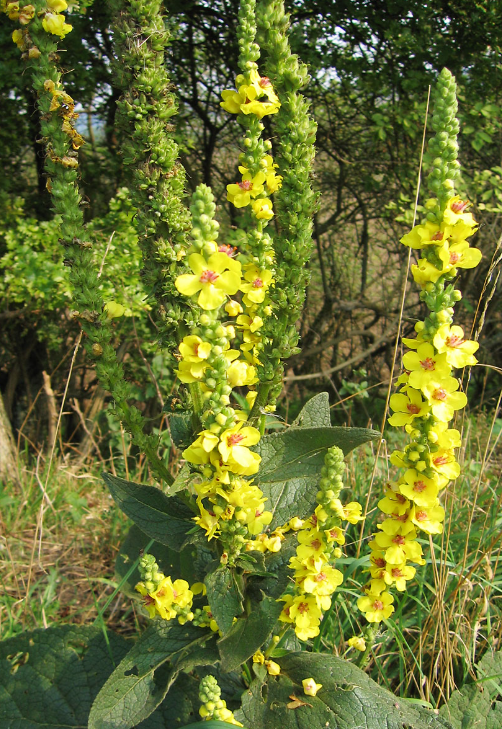
Mullein is one of those plants people often remember once they have seen it clearly. The leaves are large, pale green to gray-green, and covered in a fine soft fuzz that gives them a velvety texture. They tend to grow in a rosette at the base early on, close to the ground, before the plant later sends up its tall flowering stalk. Even before it blooms, mullein has a presence. It does not hide its character. It looks sturdy, calm, and somehow ancient.
That physical distinctiveness is part of why mullein earned such a strong place in traditional plant knowledge. Plants that are easy to recognize are more likely to be remembered, shared, and used across generations. Mullein’s leaf shape, texture, and growth pattern make it feel memorable in a way many common plants do not. Once you learn it, you rarely forget it.
Its leaves are usually the main focus in everyday herbal interest. They are the part many people gather, dry, and prepare for simple wellness uses. The flowers also attract attention in their own right, but when people speak about mullein in a broad, traditional sense, the leaves often stand at the center of the conversation.
🍃 Why the Leaves Matter So Much
Leaves are often the most immediate expression of a plant’s energy. They catch sunlight, build structure, and carry much of what makes a plant recognizable in the landscape. In herbal traditions, leaves are frequently used because they are abundant, accessible, and practical to harvest and dry.
Mullein leaves fit this pattern beautifully. They are easy to notice, generous in size, and strongly associated with the plant’s identity. Their soft surface adds to their reputation, giving the impression of gentleness and protection. Traditional plant cultures often paid close attention to these sensory clues. A soft, woolly leaf naturally suggested certain kinds of supportive use, and over time those associations became part of mullein’s story.
That story is still being told now.
📜 The History and Background of Mullein Leaves
🏺 A Plant With Deep Traditional Roots
Mullein has a long history of traditional use that stretches across Europe and into other regions where it later naturalized and became familiar. It has been noticed by herbalists, foragers, countryside dwellers, and home remedy traditions for generations. Unlike many modern wellness ingredients that feel suddenly “discovered,” mullein carries the opposite energy. It feels inherited.
That matters because inherited plants occupy a different place in the imagination. They do not need to be sold as revolutionary. Their value comes from continuity. When a plant keeps returning in practical household traditions over long periods of time, people naturally assume it offers something worth preserving. Mullein’s reputation was built this way—not through branding, but through repeated use and remembered usefulness.
Historically, mullein was not always treated as a specialized herb available only to experts. It often belonged to the wider category of plants ordinary people knew in familiar landscapes. That made it part of a more democratic kind of knowledge. A person did not need a professional system to notice mullein. They only needed attention, memory, and the willingness to learn from those who came before.
🌍 Mullein in Rural and Folk Traditions
In rural traditions, the value of a plant often came from how well it fit into real life. Could it be gathered locally? Could it be dried and stored? Did it return reliably? Did it become part of household routines? Mullein fit many of these expectations. It was not only admired for its appearance, but respected for its practicality.
Plants with strong folk histories often survive because they were woven into daily rhythms. They were gathered in season, dried carefully, stored in jars or bundles, and brought out when needed. Mullein’s presence in that world helps explain why so many people still speak of it with a particular kind of warmth. It feels less like a product and more like a remembered practice.
Even now, that old-world character is part of its appeal.
🔥 Why People Are Talking About Mullein Leaves Today
There has been a clear shift in the way people approach wellness. Many no longer want only polished, commercialized solutions. They want ingredients they can recognize, rituals they can understand, and traditions that feel human rather than industrial. This shift has reopened interest in many heritage plants, and mullein is one of the clearest examples.
Its popularity today comes partly from its image. Mullein looks natural in the purest sense of the word. It does not feel engineered. It feels earthy, simple, and approachable. For people tired of complicated wellness language, that simplicity is refreshing.
But the deeper reason for renewed interest is that mullein leaves represent a broader movement back toward plant literacy. People want to know what grows in the wild, what belongs in traditional home practices, and what older generations knew that modern life ignored. Mullein offers an inviting starting point because it is visually distinctive, historically rich, and widely discussed in natural-living spaces.
There is also the emotional factor. Soft-leaved plants have a way of attracting affection. They feel gentle before they are ever used. Mullein’s texture, color, and quiet field presence all contribute to its modern charm. It photographs beautifully, dries beautifully, and carries just enough mystery to keep people curious.
In other words, mullein is not only useful. It is evocative.
It feels like a plant with a story.
🧪 Key Compounds and Natural Characteristics of Mullein Leaves
🔬 Why the Plant Attracts Scientific and Herbal Interest
Part of mullein’s long-lasting reputation comes from the fact that it is not merely culturally interesting. It also contains natural plant constituents that make it a legitimate subject of ongoing botanical and herbal curiosity. Traditional plant users often valued mullein because of how it felt and functioned in practical use, while modern interest tends to ask what kinds of compounds might help explain that long-standing reputation.
Plants like mullein are often discussed for their naturally occurring supportive constituents, including soothing plant materials and other compounds commonly appreciated in herbal traditions. Readers do not need a chemistry degree to understand the bigger point: mullein feels substantial because it is substantial. Its leaf structure, texture, and internal complexity all contribute to its reputation as more than just a pretty roadside plant.
🍃 The Importance of Texture and Softness
Mullein’s signature fuzz is not just visually distinctive. It plays a role in the way people relate to the plant. Herbal traditions have long paid attention to texture because touch shapes meaning. A soft leaf often enters the imagination as soothing, comforting, and protective. Mullein’s leaves embody that almost perfectly.
This does not replace scientific analysis, but it helps explain how practical traditions begin. People notice how a plant looks, how it feels, how it behaves when dried or steeped, and how it fits into ordinary routines. Mullein’s softness is part of its functional identity, not just its beauty.
🌟 10 Remarkable Benefits of Mullein Leaves People Commonly Appreciate
🌿 1. Mullein Leaves Represent a Gentle Traditional Plant
One of the strongest reasons people are drawn to mullein leaves is the plant’s reputation for gentleness in traditional use. In a world crowded with harsh routines and aggressive wellness promises, mullein feels calm. It belongs to the softer side of plant knowledge—the side that suggests patience, warmth, and simple support rather than dramatic intervention.
That gentleness is part of what makes mullein so approachable for beginners. Even people with little herbal experience often feel more comfortable exploring a plant that carries an image of steadiness rather than intensity. It does not feel trendy in a noisy way. It feels trustworthy in a quiet one.
🍵 2. It Is Deeply Connected to Traditional Herbal Tea Culture
Mullein leaves are often associated with simple herbal preparations, especially tea-style infusions. This is one of the most recognized uses because it fits naturally into household routines. Dry leaf, warm water, time, and patience—there is something timeless about that process.
The appeal here goes beyond the drink itself. Preparing mullein as an infusion invites slow attention. It creates a pause in the day. It turns wellness into ritual instead of urgency. For many people, this ritual is as meaningful as the plant itself. Mullein becomes not just an herb, but part of a calming rhythm.
🌬️ 3. It Has a Long Reputation in Comfort-Focused Traditions
Mullein leaves appear so frequently in traditional comfort-oriented plant discussions that they have become almost symbolic of that category. Without making exaggerated claims, it is fair to say that many people value mullein because it has long been woven into gentle support traditions. This historical continuity is one reason the plant never seems to disappear from herbal interest.
When a plant remains part of household knowledge for generations, it often means people found it worth keeping close. Mullein’s persistence in traditional comfort discussions speaks to that enduring practicality.
🪴 4. Mullein Encourages Plant Literacy and Self-Reliance
Learning about mullein leaves often opens the door to something bigger: learning about plants in general. Once people recognize mullein in the wild or garden setting, they start paying attention more broadly. They become curious about leaf shape, flowering stages, ethical harvesting, drying techniques, and traditional preparation methods.
This educational value is often overlooked, but it matters. A single plant can change how someone sees a whole landscape. Mullein is particularly good at this because it is distinctive, easy to remember, and rich in cultural meaning.
🌾 5. It Brings a Sense of Tradition Into Modern Life
There is something emotionally powerful about using a plant that people have known for centuries. Mullein leaves carry that kind of quiet heritage. They connect modern readers to older forms of care—forms that involved gathering, drying, storing, and using plants with attention rather than treating them as disposable commodities.
This connection to tradition can feel grounding. It reminds people that wellness does not always need to be invented from scratch. Sometimes it can be inherited, adapted, and appreciated.
🏡 6. It Fits Beautifully Into Home Herbal Practices
Some plants feel too rare, too fussy, or too specialized for everyday people. Mullein does not. It feels like a home plant, even when gathered from the wild or grown as a medicinal garden favorite. It dries well, stores well, and can become part of a simple household herbal shelf.
That practical fit is one reason mullein remains so beloved. It does not demand a complicated system. It belongs to the world of jars, infusions, handwritten notes, and slow learning. For readers who want a more hands-on relationship with plants, mullein offers an especially inviting entry point.
🌼 7. The Leaves Are Useful Beyond One Single Tradition
Another remarkable thing about mullein leaves is that they are not confined to only one narrow use. People discuss them in teas, infused preparations, steam-style rituals, and broader traditional home practices. This range adds to the plant’s reputation. It feels versatile, and versatile plants often become household favorites.
Versatility matters because it makes a plant easier to keep in rotation. A useful herb is one that can be appreciated in more than one way, depending on season, preference, and household style.
📚 8. Mullein Is a Strong Bridge Between Folk Wisdom and Modern Curiosity
Some plants live only in academic texts. Others live only in folk memory. Mullein sits comfortably in both worlds. It has enough traditional depth to satisfy lovers of old herbal knowledge and enough modern interest to keep researchers, herbal learners, and natural-living readers engaged.
This bridge effect makes mullein especially compelling today. It allows people to explore plant traditions without feeling they must choose between science and story. The plant invites both curiosity and respect.
🌿 9. Its Presence in the Landscape Feels Meaningful
A surprising part of mullein’s appeal has nothing to do with preparation and everything to do with presence. It is simply a striking plant to encounter. Tall in flower, soft at the base, almost sculptural in form, mullein feels significant in the landscape. That significance adds emotional value to its practical uses.
Plants that feel memorable are more likely to become companions in learning. Mullein is not easily forgotten, and that contributes to the affection many people feel for it.
🌟 10. It Reminds People That Simple Plants Can Be Extraordinary
Perhaps the greatest benefit of mullein leaves is symbolic. They remind people that usefulness does not always arrive in exotic packaging. An ordinary-looking plant with soft leaves growing in a field can hold centuries of respect, practical tradition, and everyday value.
That lesson matters beyond mullein itself. It changes the way people look at gardens, roadsides, and heritage plant wisdom. It teaches them to notice more carefully. And that is often where the most meaningful discoveries begin.
🌍 Traditional Uses of Mullein Leaves in Different Cultures
🏞️ Countryside Knowledge and Household Practice
Mullein’s long-standing reputation comes from more than one place. In various traditional settings, it became part of ordinary plant knowledge. People recognized it in the landscape, brought it into home routines, and passed along ways of preparing it that fit local habits and preferences.
This kind of use did not always look formal. It was not always written in polished manuals. Often it was verbal, practical, and deeply local. Someone learned it from a relative, a neighbor, or an elder who had gathered mullein many times before. That pattern of transmission gave the plant staying power.
🧺 Gathered, Dried, and Remembered
One of the reasons mullein survived in traditional practice is that it lends itself well to drying and storage. Plants that could be preserved easily were more likely to become embedded in home herbal systems. Mullein leaves fit this model well. A seasonal harvest could be prepared and kept for later use, allowing the plant to remain available beyond its fresh growing period.
That practicality helped turn mullein from a field plant into a household plant in the imagination.
🔬 Modern Scientific and Wellness Interest in Mullein Leaves
Modern readers often approach mullein with two kinds of questions. The first is historical: why did people value this plant so much? The second is botanical: what characteristics and compounds make it interesting enough to have survived that long?
These questions fuel today’s growing interest in mullein. People are not satisfied with vague praise alone. They want to understand the plant better, see how traditional knowledge aligns with botanical reality, and explore how mullein fits into a balanced modern wellness lifestyle.
This is a healthy shift. It encourages respect rather than blind enthusiasm. It allows mullein to be appreciated as both a cultural plant and a botanical one. And it makes the conversation around mullein leaves more intelligent, more balanced, and ultimately more useful.
🤔 Why Mullein Leaves Keep Capturing People’s Attention
Some plants spread because they are fashionable.
Mullein persists because it feels meaningful.
It has beauty, yes, but not flashy beauty. It has usefulness, but not in a rushed or overpromised way. It has softness, memory, field presence, and a kind of herbal dignity that is hard to fake. People are drawn to mullein because it seems to represent a whole worldview: one in which plants are companions, routines are slower, and knowledge is earned through attention.
That is a powerful image in modern life.
🌟 Before You Continue, Here’s the Real Question
Knowing that mullein leaves are respected is one thing.
Knowing what to do with them is another.
How are mullein leaves usually prepared? What is the best way to dry and store them? How do people use mullein in simple daily routines? What common mistakes make beginners frustrated with the plant? And what precautions should thoughtful readers keep in mind before bringing mullein into their own herbal practice?
That is where theory becomes useful.
On the next page, we will explore how mullein leaves are commonly prepared and used, how to build practical routines around them, additional everyday uses people appreciate, the biggest mistakes to avoid, important safety-minded guidance, and answers to the most frequently asked questions.
Because the real value of a remarkable plant is not just admiring its story.
It is learning how to bring that story into daily life.