🌵 Nopal Cactus: The “Desert Superfood” and Its Potential Health Benefits
✨ Why a Thorny Desert Plant Has Become One of the Most Fascinating Foods in Natural Wellness
In a world obsessed with exotic powders, expensive supplements, and ever-changing health trends, one of the most intriguing wellness foods has been quietly growing under the sun for centuries. It does not come in sleek packaging. It does not need celebrity branding. It grows in dry, unforgiving landscapes, survives intense heat, and has fed entire communities long before the modern wellness industry learned how to say the word “superfood.” That plant is nopal cactus.
Nopal cactus, often called prickly pear cactus pads, has long been treasured in traditional Mexican and desert-region cuisines. To some people, it is simply an old-fashioned ingredient used in home cooking. To others, it is now being rediscovered as a nutrient-rich, fiber-packed food that fits beautifully into a modern health-conscious lifestyle. And that rediscovery is not difficult to understand. Nopal is affordable in many places, surprisingly versatile in the kitchen, naturally low in calories, and full of the kind of plant compounds that make nutrition experts pay attention.
The image of cactus as food still surprises many readers. After all, when most people picture cactus, they think of desert landscapes, needles, survival, and scenery, not dinner. Yet nopal has been part of ordinary meals for generations. It is sliced into salads, sautéed with onions, grilled beside eggs, blended into smoothies, folded into tacos, added to stews, and eaten as both a practical staple and a traditional comfort food. That culinary history matters because it reminds us that nopal is not a novelty item created for internet trends. It is a real food with a long relationship to real people.
What makes nopal especially compelling today is the way it bridges tradition and modern curiosity. People are drawn to foods that feel both ancient and relevant. Nopal offers that rare combination. It comes with generations of cultural use, yet it also fits current conversations about fiber, plant diversity, digestive support, blood sugar awareness, hydration, and whole-food eating patterns. It is not being embraced because it sounds mysterious. It is being embraced because it makes practical sense.
That said, the most useful way to think about nopal cactus is not as a miracle plant. It is better understood as a highly valuable food with potential health benefits that deserve realistic attention. The word “potential” matters. Nopal is not magic, and it should not be treated as a replacement for medical care or balanced living. But as part of a thoughtful routine, it may offer meaningful support in several areas of wellness. That is exactly the kind of food that tends to last in real life: not the loudest one, but the one that quietly keeps proving useful.
This article explores nopal cactus in depth. We will look at what it is, where it comes from, why it has earned the nickname “desert superfood,” and what nutrients and plant compounds make it interesting. You will discover its cultural background, the reasons people are talking about it now, and the most frequently discussed potential health benefits, from digestion and hydration to blood sugar-friendly eating patterns and plant-based nourishment. Along the way, we will keep the discussion realistic, readable, and suitable for a wellness-focused audience that wants substance rather than hype.
By the time you finish the first page, you will understand why this humble cactus has survived not only in deserts, but in kitchens, traditions, and health conversations across generations. And when you move to the second page, you will learn exactly how to prepare it, cook it, fit it into a daily routine, avoid common mistakes, and use it in a way that feels delicious rather than intimidating.
🌿 What Exactly Is Nopal Cactus?
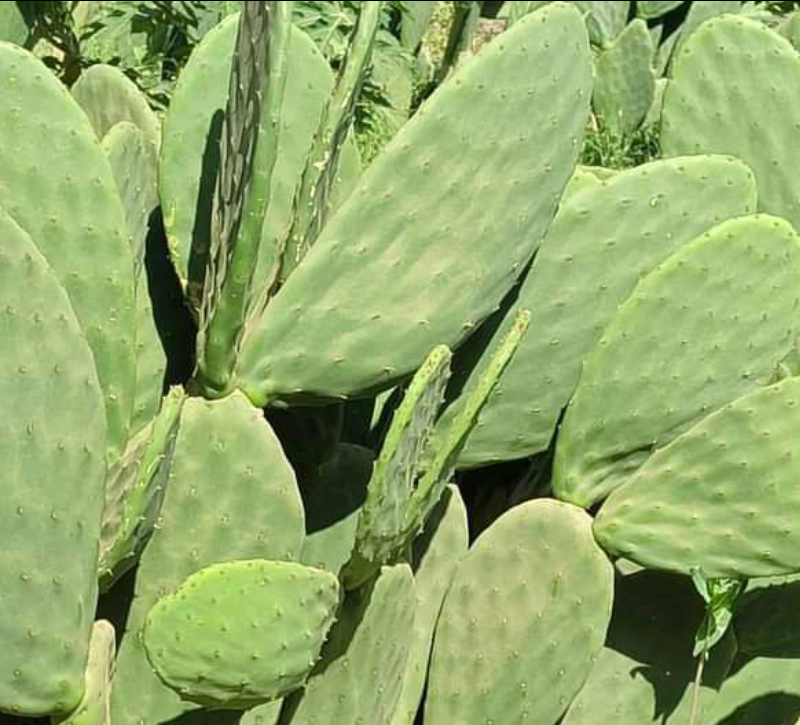
Nopal refers to the edible pads of certain prickly pear cactus species, most commonly from the genus Opuntia. These pads are also called cactus paddles or cactus leaves, though technically they are flattened stems rather than true leaves. Fresh nopal pads are usually green, firm, oval-shaped, and covered with tiny spines or rough spots that must be carefully removed before cooking. Once cleaned, the inside reveals a tender, slightly tart flesh with a texture many people describe as somewhere between green beans, okra, and bell pepper.
That texture is one reason nopal gets mixed reactions from first-time eaters. When cooked, it can release a slippery substance similar to okra. Some people love that soft, vegetal quality immediately, while others need a little guidance in how to prepare it well. Fortunately, nopal is one of those ingredients that becomes much more appealing when it is cooked with confidence. Grilling, sautéing, roasting, and combining it with acidic ingredients like tomato or lime can transform it from something unfamiliar into something surprisingly addictive.
Nopal is not the same as prickly pear fruit, although they come from the same plant family. The fruit grows from the cactus and is sweet, colorful, and often used in juices, jams, syrups, and desserts. The pads, by contrast, are savory and more commonly treated as a vegetable. Both parts of the plant have a place in traditional food culture, but when people talk about nopal as a desert superfood, they are usually referring to the edible pads.
What makes nopal stand out nutritionally is that it offers far more than novelty. It is low in calories, contains fiber, provides small amounts of vitamins and minerals, and includes various plant compounds that make it interesting in the context of wellness. It is also hydrating by nature, which makes perfect sense for a plant adapted to desert survival. In other words, nopal does not just survive harsh conditions. It stores qualities that can be genuinely useful to the human diet.
📜 A Rich Cultural and Historical Background
To understand nopal properly, it helps to see it not as a trend, but as part of a much older story. Nopal has deep roots in Mesoamerican food culture and has long been associated with traditional Mexican cuisine, identity, and agriculture. It appears in ancient foodways, local markets, home gardens, and regional dishes that have nourished people for generations. In many communities, nopal was never exotic. It was simply part of life.
The cactus itself also holds symbolic importance. It appears in Mexican cultural imagery and has long been connected to ideas of resilience, land, and heritage. This symbolic power is fitting, because nopal represents exactly the kind of food that sustains people through difficult climates and changing times. It thrives where other crops struggle. It makes use of dry land. It offers nourishment without demanding luxury conditions. That alone would make it impressive, even before discussing any health benefits.
Historically, nopal was valued because it was accessible and practical. It could be harvested locally, eaten fresh, added to meals, and grown in regions where water was precious. Traditional cooks learned how to clean it, prepare it, and pair it with ingredients that made the most of its flavor. Eggs, beans, tomatoes, chilies, onions, cheese, and corn-based dishes all became natural companions to nopal, creating a food culture around it that was both nourishing and deeply satisfying.
This history matters in modern wellness conversations because it protects nopal from being misunderstood. When a traditional food suddenly becomes popular in health media, there is always a risk that it will be stripped of its context and marketed as if it were newly discovered. Nopal deserves better than that. Its value does not come from trendiness. It comes from centuries of use, adaptation, and quiet proof that it belongs in the kitchen.
🔥 Why Nopal Cactus Is Being Called a “Desert Superfood” Today
The word “superfood” is often overused, but it persists because people want a quick way to describe foods that seem to offer more than expected. Nopal earns that label more honestly than many trendier ingredients because its appeal is rooted in a real combination of qualities. It is nutrient-dense relative to its calorie content. It is high in fiber for a vegetable. It is versatile. It is easy to pair with whole-food meals. And it comes from a longstanding culinary tradition rather than a fabricated wellness narrative.
Modern interest in nopal has also grown because people are increasingly drawn to foods that support steadier eating patterns. Rather than focusing only on counting calories, many readers now care more about satiety, plant diversity, digestion, and the ability of a food to fit naturally into meals without encouraging overeating. Nopal does this well. It is light, but not flimsy. Filling, but not heavy. Distinctive, but not difficult once you learn the basics.
Another reason for the renewed interest is that nopal appeals to several health communities at once. People interested in plant-based eating like its versatility. Those focused on digestion appreciate its fiber content. Readers interested in blood sugar-friendly meal patterns often notice that nopal can add bulk and structure to a plate without relying on refined starches. Those seeking more traditional, culturally rooted foods find it refreshing. And for sustainability-minded cooks, it offers a model of resilient agriculture that feels especially relevant in a warming world.
That is why the phrase “desert superfood” sticks. It captures both the drama of the environment nopal comes from and the practical generosity of the plant itself. It grows in difficulty, yet offers nourishment. It looks tough on the outside, yet becomes tender in the pan. It seems humble, yet turns out to be deeply useful. Those contradictions make it memorable.
🧪 What Nutrients and Plant Compounds Make Nopal Interesting?
🌱 Fiber That Supports Fuller, More Balanced Meals
Nopal is especially valued for its fiber content. Fiber matters because it helps meals feel more satisfying, supports digestive regularity, and can contribute to a steadier eating experience throughout the day. When people say that nopal “sticks with them” in a good way, fiber is often part of the reason. It adds body to meals without heaviness, which can make it easier to build plates that feel complete instead of overly refined.
💧 Natural Hydration From a Desert Plant
A cactus survives by managing water wisely, so it makes sense that nopal pads have a high moisture content. This contributes to their juicy texture and makes them an especially refreshing ingredient in warm climates. Foods with both water and fiber can help create a satisfying, hydrating eating pattern that feels lighter than heavily processed options.
🍊 Vitamins and Minerals in Modest but Useful Amounts
Nopal contains vitamin C, small amounts of certain B vitamins, and minerals such as magnesium, calcium, and potassium. It is not a single-handed answer to nutrient needs, but it contributes to the broader nutritional quality of a meal. Whole foods do not need to be perfect to be valuable. Sometimes their greatest strength lies in how they improve the overall pattern of what you eat.
✨ Antioxidants and Plant Pigments
Nopal contains antioxidant compounds and plant pigments that are part of what makes colorful, diverse plant foods so appealing in modern nutrition. These compounds help explain why traditional plant-based diets often support overall resilience. A food like nopal is not just filling. It also offers the kind of quiet phytochemical support that whole-food eaters increasingly value.
🍽️ A Low-Calorie, High-Volume Ingredient
One of nopal’s practical strengths is that it adds volume to meals without adding excess heaviness. This makes it useful for people who want plates that feel generous and satisfying while remaining rooted in vegetables and minimally processed ingredients. That does not make it a diet food in the restrictive sense. It makes it a smart building block for balanced eating.
💪 10 Potential Health Benefits of Nopal Cactus
1. Nopal May Support Digestive Regularity
One of the most frequently discussed potential health benefits of nopal cactus is digestive support. Thanks to its fiber content and water-rich structure, nopal fits naturally into eating patterns that encourage regularity and a more comfortable digestive rhythm. People who do not eat enough vegetables often discover that adding cactus paddles to meals helps them feel less weighed down by overly refined food. This is not dramatic or flashy, but it is practical. And practical benefits are often the ones that matter most in daily life.
2. It Can Help Meals Feel More Filling Without Feeling Heavy
There is a difference between eating something heavy and eating something satisfying. Nopal leans strongly toward the second category. Its fiber, moisture, and texture make it an ingredient that adds real substance to a plate. When sautéed with vegetables, folded into eggs, or added to beans, it can make meals feel more complete. That sense of fullness may help reduce the urge to snack mindlessly later, which is one reason nopal is often appreciated in wellness-focused meal planning.
3. Nopal Fits Well Into Blood Sugar-Friendly Eating Patterns
Nopal is often discussed in the context of blood sugar awareness because it is a fiber-rich vegetable that can add bulk and satisfaction to meals without relying on refined carbohydrates. It works especially well in plates built around beans, eggs, lean proteins, or other whole-food staples. This does not make nopal a cure or a replacement for individualized medical advice, but it does make it a smart food choice for people aiming for steadier, less overly processed meals.
4. It Encourages Greater Plant Diversity in the Diet
Modern nutrition increasingly emphasizes the value of eating a wider variety of plants. Nopal helps expand that diversity in a way that feels exciting rather than forced. Instead of eating the same vegetables repeatedly, adding cactus to the menu introduces new fibers, textures, and plant compounds. Dietary diversity matters because it broadens the nutritional and culinary experience of eating, which can make healthy habits more sustainable.
5. Nopal May Support Better Hydration-Friendly Eating
Because nopal has a naturally high water content, it contributes to meals that feel fresh, juicy, and lighter. In hot climates, this can be especially appealing. Foods that contain both water and fiber often satisfy in a gentler way than dry, processed snacks. This is one reason nopal salads and grilled cactus dishes are so refreshing. They nourish without creating heaviness.
6. It Can Help Reduce Reliance on Ultra-Processed Side Dishes
One underrated health benefit of nopal is not what it adds, but what it may replace. When people begin cooking nopal regularly, they often rely less on packaged side dishes, refined starch-heavy fillers, or overly processed snacks. A plate built around cactus, beans, salsa, eggs, or grilled protein simply looks and feels different from one built around chips, fries, or heavily processed convenience foods. In this way, nopal supports wellness by making healthier meals more attractive and satisfying.
7. Nopal Brings Gentle Antioxidant Support
Like many green plant foods, nopal contains antioxidant compounds that contribute to its overall wellness reputation. While antioxidant language is often overused, the basic idea remains valuable: colorful, minimally processed plant foods offer compounds that help support the body’s normal resilience. Nopal belongs in that category. It is not the only such food, but it deserves a place among them.
8. It Works Beautifully in Heart-Friendly Meal Patterns
Nopal is naturally low in fat and can fit easily into meals based on vegetables, legumes, lean proteins, and whole foods. In that sense, it aligns well with eating patterns often associated with better long-term wellness. Again, the key is not that nopal does something isolated and magical. The key is that it supports a style of eating that tends to be more balanced overall.
9. It Can Make Healthy Eating More Interesting
This might not sound like a health benefit at first, but it absolutely is. People are far more likely to maintain better eating habits when those habits feel enjoyable. Nopal adds novelty, flavor, and cultural depth to meals. It helps healthy food feel less repetitive. Boredom is one of the biggest enemies of sustainable wellness, and nopal offers a welcome antidote.
10. Nopal Connects Wellness to Tradition Rather Than Trend Hype
Finally, nopal offers something many so-called superfoods cannot: authenticity. It comes from a real food culture. It has fed people for generations. It fits into the kitchen as food first, wellness second. That groundedness matters. It protects readers from the cycle of chasing overpriced miracle ingredients and instead points them toward something sturdier, wiser, and more sustainable.
🌎 Traditional Culinary Uses in Different Regions
Nopal is most strongly associated with Mexico, where it appears in a wide range of everyday dishes, street foods, breakfast plates, salads, stews, and home-style meals. It is often grilled whole, diced into scrambled eggs, sautéed with onion and tomato, tossed into salads with cheese, or layered into tacos. In some households, it is treated with the same casual familiarity that other cultures give to zucchini or green beans.
Beyond Mexico, nopal has also found a place in broader desert and Latin American food traditions, as well as in health-conscious kitchens far from its original home. Cooks interested in plant-based food, regional ingredients, and resilient agriculture have helped spread appreciation for it. Still, its deepest meaning remains tied to the communities that have known how to grow and cook it for generations.
🔬 Why Modern Research and Wellness Communities Keep Looking at Nopal
Modern research interest in nopal usually centers on its fiber, antioxidant content, and role in supportive dietary patterns. Scientists and nutrition-minded readers are naturally curious about plants that have long traditional use and a plausible nutritional profile. Nopal fits that description well. It is rich enough in interesting compounds to attract attention, yet ordinary enough to actually be eaten regularly, which makes it more relevant than many niche extracts.
Wellness communities also like nopal because it checks several important boxes at once. It is whole, culturally rooted, minimally processed, plant-based, and versatile. That combination is surprisingly rare. Many health foods excel in one category but fail in another. Nopal manages to be both nutritionally appealing and culinarily useful, which is why interest in it continues to grow.
✨ Why the Real Magic of Nopal Is Its Practicality
At this point, the biggest lesson about nopal becomes clear. Its real value is not that it promises extraordinary transformation. Its real value is that it makes healthy eating more possible. It helps build satisfying meals. It encourages vegetable variety. It supports fiber-rich patterns. It draws people back into traditional cooking. It turns a harsh desert plant into something tender, edible, and genuinely enjoyable. That transformation feels symbolic of wellness itself. Health rarely comes from softness alone. Often it comes from learning how to use resilient things wisely.
And that is exactly where page two becomes essential. Because understanding nopal is one thing. Cooking it well, using it regularly, and fitting it into daily life without frustration is where the real change happens. On the next page, you will find step-by-step preparation methods, easy recipes and meal ideas, daily routines, extra health-supportive uses, common mistakes to avoid, safety notes, frequently asked questions, and a conclusion that brings this desert superfood into practical everyday life.