🥗 What Happens When You Eat Beetroot Every Day? A Deep Dive Into the Benefits, Traditions, and Smart Ways to Enjoy It
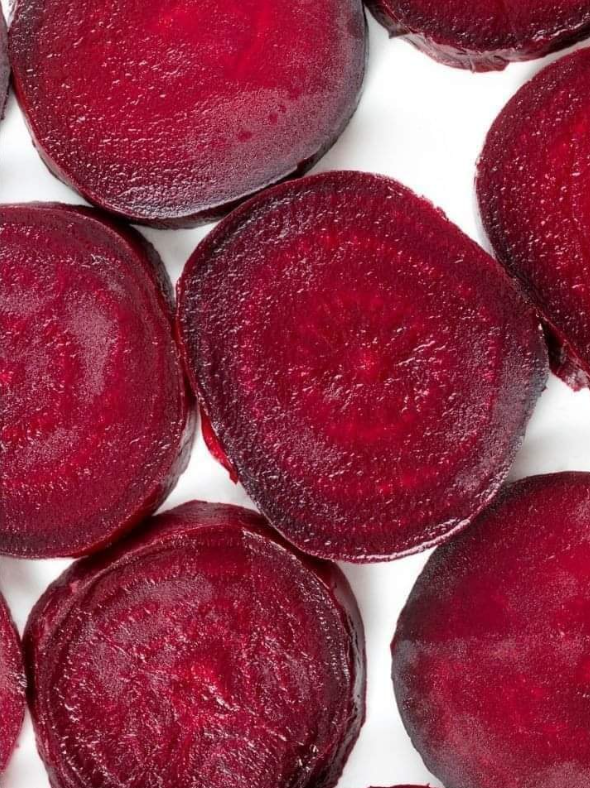
There is something almost theatrical about beetroot. Slice it open, and the color looks too vivid to be ordinary food. Roast it, juice it, grate it raw, blend it into soup, or toss it into a salad, and it leaves its mark everywhere it goes. Even people who do not think much about vegetables tend to remember beetroot. It stains cutting boards, brightens plates, and starts conversations. And once people hear that many wellness-minded eaters are making beetroot a daily habit, the next question usually comes fast: what actually happens when you eat beetroot every day?
The honest answer is not dramatic in the overnight, miracle-product sense. Beetroot is not the kind of food that changes your life by tomorrow morning. But daily beetroot can quietly influence the way your routine feels over time. That is often how truly useful foods work. Instead of putting on a performance, they become part of a bigger pattern. A bowl here, a juice there, some grated beetroot in lunch, roasted cubes at dinner, and little by little, the body gets a consistent stream of nutrients that can support everyday wellness.
Much of the modern conversation around beetroot centers on its natural nitrate content, which the body can convert into nitric oxide, a compound associated with blood vessel function. But that is only one piece of the story. Beetroot also brings fiber, folate, potassium, manganese, and distinctive red-purple pigments called betalains. It is earthy, slightly sweet, versatile, and surprisingly easy to build into a daily eating plan when prepared well. For people trying to eat more plant foods without making their meals feel restrictive or bland, beetroot can be one of those ingredients that adds both nutrition and character.
That said, daily beetroot has a personality. It may support regularity if your diet is low in fiber. It may fit nicely into a heart-conscious way of eating. It may become a useful pre-workout addition for some people who enjoy vegetable juices or smoothies. And yes, it may also cause one of the most harmlessly alarming food side effects around: pink or red urine and stool in some people, a phenomenon that has startled many first-timers who had simply forgotten what they ate earlier in the day.
So why are people talking about beetroot now with such renewed enthusiasm? Why does this humble root keep showing up in wellness blogs, performance nutrition conversations, and colorful recipe trends? And what can daily beetroot realistically do without turning into exaggerated health hype? This article explores the full picture in a clear, grounded, engaging way. We will look at beetroot’s background, why it matters today, what is inside it, and the main reasons many people enjoy eating it often. Then on page two, we will move into practical use, routines, mistakes, safety, and frequently asked questions.
🌱 Beetroot in Simple Terms: What It Really Is and Why It Stands Out
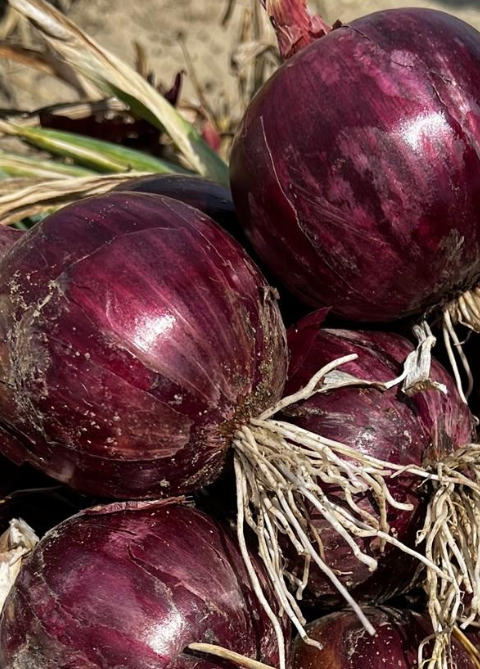
Beetroot is the taproot portion of the beet plant, commonly recognized by its deep crimson-purple color, though golden, striped, and white varieties also exist. In everyday language, people often just call it beets. It belongs to the same broader plant family as Swiss chard and spinach, which helps explain why beet greens are also edible and nutritious. While the root gets most of the attention, the whole plant has culinary value.
What makes beetroot stand out is the combination of sensory appeal and nutritional depth. It tastes earthy, mildly sweet, and slightly mineral-like, which can be deeply satisfying to some people and a bit intense for others. Roasting makes it sweeter. Pickling makes it brighter and tangier. Juicing makes it more concentrated and easier to consume quickly. Raw grated beetroot keeps a fresh crunch. In soups and stews it turns comforting. Few vegetables can shift personality so easily depending on preparation.
From a wellness perspective, beetroot is interesting because it offers more than basic vitamins and minerals. Its naturally occurring nitrates have become the focus of modern attention, especially in conversations about circulation, stamina, and blood pressure support within the context of an overall healthy lifestyle. Then there is its fiber content, useful for digestive rhythm and fullness. Folate adds another reason it often appears on lists of nutrient-dense foods. Potassium supports the broader nutritional balance people seek when trying to eat less heavily processed food. And the vivid pigments, betalains, have sparked curiosity because colorful plant compounds often become the center of research into how diets rich in vegetables may support long-term health.
That combination is why daily beetroot feels more substantial than simply checking off a vegetable serving. It is colorful enough to feel special, common enough to be affordable in many places, and flexible enough to suit breakfast, lunch, snacks, or dinner. In a nutrition landscape full of powders, capsules, and one-note health trends, beetroot remains refreshingly food-like. It asks to be eaten, cooked, tasted, and enjoyed in real meals.
📜 The History and Background of Beetroot as Food and Remedy
Beetroot has a long and layered history. Earlier forms of beets were cultivated long before the modern wellness movement discovered them. Ancient peoples valued beets for both food and traditional uses, though the leafy tops were often prized first. Over time, cultivation selected for larger, more appealing roots, and beetroot eventually became established as a staple ingredient in many regional cuisines.
Across parts of Europe, the Middle East, and the Mediterranean world, beetroot was woven into everyday cooking in ways that were practical rather than fashionable. Farmers appreciated hardy crops. Home cooks appreciated ingredients that stored relatively well. Families appreciated a root vegetable that could be boiled, baked, preserved, or turned into soups and side dishes. In colder climates, root vegetables mattered because they helped bridge seasons when fresh produce was scarce.
Later, beetroot became especially associated with Eastern and Central European cooking, where it appears in iconic dishes such as borscht. In these traditions, beetroot was not a trendy “superfood.” It was simply part of the structure of daily eating. That history matters because it reminds us that many foods celebrated today were once valued for humble reasons: they were useful, filling, flavorful, and familiar.
Traditional systems also found ways to use beetroot beyond basic nourishment. In folk practices, richly colored foods often carried symbolic power. Beetroot’s intense red-purple hue made it feel inherently strengthening to some cultures. In many households, it was associated with vitality, nourishment, and resilience through seasonal change. Even when these beliefs were not framed in scientific language, they often reflected a close relationship between food observation and lived experience.
As agricultural knowledge spread and culinary traditions traveled, beetroot took on new roles. It moved from peasant food to heritage ingredient, from regional staple to health-food-store star. Today, it appears in juices, smoothies, wellness powders, plant-based baking, salads, grain bowls, and sports-nutrition discussions. Yet its roots remain old-fashioned in the best sense. Beetroot is not new. It is newly noticed.
🔥 Why People Are Talking About Beetroot Every Day Right Now
The modern rise of beetroot is not accidental. It sits at the crossroads of several major trends in how people think about food. First, there is a growing interest in whole foods that seem to offer functional benefits without requiring extreme diets. Beetroot fits that desire well. It is a real vegetable, easy to recognize, and not dependent on complicated branding to make sense.
Second, many people are looking for foods that support cardiovascular-friendly eating patterns. Because beetroot is often discussed in connection with blood vessel function and blood pressure support, it has gained a reputation as a smart choice for people trying to eat more intentionally. That does not mean it replaces medical care or acts like a cure. It means it belongs in the conversation around balanced, plant-forward eating.
Third, beetroot has found a place in exercise culture. Some people enjoy beetroot juice before workouts, runs, or long training sessions because of its nitrate content. This has helped shift beetroot from something your grandmother might pickle into something athletes and fitness enthusiasts may keep in the fridge. Once a food enters both traditional kitchens and performance conversations, its popularity tends to rise quickly.
Fourth, social media loves visually dramatic foods, and beetroot is visually dramatic. A beetroot latte, a beet hummus, a ruby smoothie bowl, or a vivid salad will catch more attention than a beige snack ever could. In the internet era, color is a form of marketing, and beetroot has plenty of it.
Finally, people are increasingly skeptical of health promises that come in expensive, mysterious packaging. Beetroot feels refreshingly transparent. It is a root vegetable. You can roast it yourself. You can buy it fresh, vacuum-packed, canned, pickled, powdered, or juiced. It does not demand blind faith. It asks only for a little consistency and a willingness to include it in your meals.
🧪 Key Compounds and Nutrients in Beetroot
💜 Natural Nitrates
The most talked-about compounds in beetroot are its natural nitrates. These occur naturally in certain vegetables, especially beets and leafy greens. In the body, nitrates can be converted through a series of steps into nitric oxide, which is associated with the relaxation and widening of blood vessels. This process is why beetroot often appears in discussions about circulation, exercise efficiency, and blood pressure support as part of a healthy diet.
🌾 Fiber
Whole beetroot contains fiber, which is one of the quiet heroes of nutrition. Fiber helps support digestive regularity, can contribute to feelings of fullness, and plays a role in an overall balanced eating pattern. People whose diets are low in vegetables, legumes, fruits, and whole grains often notice that adding a fiber-containing food like beetroot can help their digestive routine feel more reliable.
🍃 Folate
Beetroot is a useful source of folate, a B vitamin involved in cell growth and many normal body processes. Folate-rich foods are often encouraged in general healthy eating patterns because they help add nutritional depth without requiring fortified products.
🍌 Potassium
Potassium is another nutrient people often do not get enough of when their diets lean heavily toward ultra-processed foods. Beetroot contributes potassium, which plays a role in fluid balance and normal body function. While it is not the only potassium-rich food, it can help diversify intake.
🎨 Betalains
Betalains are the pigments responsible for beetroot’s rich colors. These compounds have attracted attention because pigmented plant foods often become part of broader conversations about how colorful diets may support health. They also give beetroot its signature visual identity, which is part of why the vegetable feels so memorable in meals.
🪨 Manganese and Other Micronutrients
Beetroot also offers smaller amounts of additional nutrients, including manganese and other trace minerals. No single food has to carry the entire burden of health on its own. What matters is that beetroot contributes meaningful nutrition while being enjoyable enough to eat repeatedly.
✨ 10 Main Benefits of Eating Beetroot Every Day
1️⃣ Daily beetroot may support healthy blood vessel function
This is the benefit that made beetroot famous in modern wellness circles. Thanks to its natural nitrate content, beetroot may help support blood vessel function as part of a balanced diet and healthy lifestyle. Better-supported blood vessel function is one reason beetroot is often linked to cardiovascular-friendly eating patterns. It is not magic, and it is not a substitute for medical care, but it is one more example of how vegetables can do more than just fill the plate.
2️⃣ Beetroot may fit well into a blood pressure-conscious lifestyle
Because of the same nitrate-to-nitric-oxide pathway, beetroot is commonly discussed in relation to healthy blood pressure support. Many people today are interested in food habits that feel practical and sustainable rather than extreme. Eating beetroot every day can be one of those habits. It works best when paired with the bigger picture: enough sleep, movement, less reliance on highly processed foods, and a more plant-rich pattern overall.
3️⃣ Whole beetroot can help improve regularity
If your current diet is light on fiber, daily beetroot may make a noticeable difference in digestion. The fiber in whole beetroot can help support bowel regularity and contribute to a more comfortable digestive rhythm. This does not mean huge changes overnight, especially if portions are small, but steady intake of fiber-rich foods often produces the kind of gradual improvement people appreciate because it feels natural rather than harsh.
4️⃣ Eating beetroot every day adds helpful nutrients without much fuss
One underrated benefit of beetroot is that it makes healthy eating feel less repetitive. It contributes folate, potassium, fiber, and other micronutrients in a package that can be sweet, savory, soft, crisp, or tangy depending on preparation. For people who get tired of always hearing about kale, broccoli, and oats, beetroot adds a fresh angle to nutrient-dense eating.
5️⃣ Beetroot may support workout routines for some people
Fitness enthusiasts often use beetroot juice or cooked beetroot before exercise because of the connection between dietary nitrates and exercise efficiency. Not everyone notices the same effect, and individual response varies, but beetroot’s presence in sports nutrition is one reason it keeps attracting attention. For people trying to make pre-workout meals more natural and less dependent on stimulant-heavy products, beetroot can feel like a grounded alternative.
6️⃣ Daily beetroot can help you eat more colorful plants
One of the simplest markers of a thoughtful diet is color variety. Brightly colored vegetables often bring different compounds and nutrients to the table. Beetroot makes it easier to eat the rainbow without trying too hard. The stronger the visual identity of a food, the more likely it is to break routine and keep healthy eating from becoming boring.
7️⃣ Beetroot may contribute to satiety when eaten whole
Roasted beetroot, grated beetroot salad, or beetroot added to grain bowls can contribute bulk and satisfaction to meals. That matters because foods that help meals feel complete can reduce the tendency to keep snacking on less nourishing options later. Juice offers convenience, but whole beetroot adds chewing, fiber, and more staying power.
8️⃣ Beetroot can support better meal variety
People often underestimate the health value of simply expanding the range of vegetables they eat. The more variety you include, the easier it becomes to maintain healthy eating for the long term. Beetroot works in soups, salads, dips, smoothies, roasted trays, wraps, and even baked goods. Daily beetroot does not have to mean eating the same plain cubes every day. It can be a creative anchor for more varied meals.
9️⃣ Beetroot may be a useful choice for people reducing ultra-processed foods
When people try to move away from heavily processed snacks and convenience meals, they often need ingredients with strong flavor and visual appeal. Beetroot delivers both. Its earthy sweetness gives meals character, which helps reduce the sense that healthy eating is bland or punishing. A roasted beetroot salad with herbs, lentils, yogurt, and seeds feels abundant, not restrictive.
🔟 Daily beetroot can create healthy awareness around how food affects you
There is also a behavioral benefit to eating beetroot every day: it makes you pay attention. You start noticing how your digestion responds, whether you feel fuller, how you enjoy different preparations, and how food choices affect energy and routine. Sometimes the biggest benefit of a daily food habit is not one isolated nutrient effect but the way it builds mindfulness around eating patterns overall.
🌍 Traditional Uses of Beetroot in Different Cultures
Beetroot’s story becomes richer when we see how different cultures embraced it long before modern wellness language existed. In Eastern Europe, beetroot soup became a culinary emblem, served hot or cold, rustic or refined. In some households, beetroot was combined with sour cream, dill, stock, and seasonal vegetables to create dishes that were as comforting as they were practical.
In Mediterranean and Middle Eastern cooking, beetroot often appeared in salads and mezze-style dishes, paired with olive oil, vinegar, garlic, yogurt, or fresh herbs. These combinations reveal something important: people understood that beetroot’s earthy quality benefits from contrast. Acidity, salt, creaminess, and herbs lift it beautifully.
In parts of South Asia, beetroot has long been used in stir-fries, curries, and grated preparations, appreciated both for flavor and vibrant color. In these contexts, beetroot often lives beside spices, coconut, mustard seeds, or lentils, showing again how adaptable the vegetable can be.
Traditional use was rarely about one “active ingredient.” It was about living food traditions, seasonal logic, and resourceful cooking. Beetroot fed people through winters, festivals, fasting periods, family meals, and ordinary weekdays. Its persistence across regions suggests that humans kept finding the same thing: it was useful, affordable, nourishing, and worth keeping around.
🔬 Scientific Interest and Modern Research Around Beetroot
Modern research interest in beetroot has largely followed public curiosity about nitrates, nitric oxide, circulation, exercise, and cardiovascular wellness. Scientists have explored how beetroot juice and nitrate-rich vegetables may influence markers related to physical performance and vascular function. This does not mean every study leads to a dramatic conclusion or that every person gets identical results. But it does explain why beetroot moved from traditional kitchens into research labs and sports conversations.
Beyond nitrates, beetroot also draws attention because of its betalains and wider nutrient profile. Nutrition science increasingly recognizes that foods are not just collections of isolated vitamins. Whole foods contain complex combinations of compounds that may work together in ways not fully captured by reductionist thinking. Beetroot is a good example. It is appealing not because it contains one miracle molecule, but because it offers a matrix of nutrients and plant compounds inside a practical, edible vegetable.
Researchers are also interested in the fact that beetroot is accessible. A useful food is more valuable when ordinary people can actually buy it, cook it, and include it consistently. That may be one reason beetroot continues to receive attention. It bridges the world of scientific curiosity and everyday habit better than many niche wellness products ever could.
At the same time, a grounded view is important. Scientific interest does not mean unlimited claims are justified. Beetroot is best understood as a supportive food within a balanced lifestyle, not as a stand-alone answer to every health concern. That realistic framing makes its value more believable, not less. In wellness writing, honesty is refreshing. Beetroot does not need exaggeration to stay interesting.
And that is exactly where the story becomes even more useful. Knowing what beetroot contains is only half the picture. The real question most people ask next is practical: how should you actually eat beetroot every day, how much makes sense, what routines work best, and what mistakes should you avoid if you want all the benefits without the downsides? Those answers make daily beetroot far easier to enjoy consistently, and they are where page two begins.