🌿 Natural Ways to Clean Your Respiratory Tract and Strengthen Your Immune System
Every breath we take carries more than oxygen. Along with the air that fuels our bodies, we inhale tiny particles such as dust, pollutants, allergens, and microorganisms. Over time, these irritants can affect the respiratory system—the network of airways and organs responsible for breathing.
The respiratory tract plays a vital role in overall health. It not only delivers oxygen to the bloodstream but also helps protect the body from harmful substances. The lungs, nasal passages, and throat work together with the immune system to filter, trap, and remove unwanted particles.
Because of this important role, many people look for **natural ways to support respiratory health and strengthen the immune system**.
Simple lifestyle habits, nourishing foods, herbal traditions, and environmental practices can all contribute to maintaining clear airways and strong immune defenses.
In this comprehensive guide, we’ll explore:
• how the respiratory system works
• why keeping the airways healthy matters
• traditional natural practices for respiratory wellness
• foods and herbs that support immune health
• everyday habits that promote healthy breathing
By the end of this article, you’ll discover practical ways to help your body maintain **clean, well-functioning respiratory pathways and resilient immune defenses**.
🫁 Understanding the Respiratory System
The respiratory system is responsible for bringing oxygen into the body and removing carbon dioxide.
It includes several key structures:
• the nose and nasal passages
• the throat (pharynx)
• the windpipe (trachea)
• the bronchi and bronchioles
• the lungs
When we inhale, air enters through the nose or mouth and travels down the trachea into the lungs.
Inside the lungs are millions of tiny air sacs called **alveoli**, where oxygen passes into the bloodstream.
At the same time, carbon dioxide is released from the blood and exhaled from the body.
This constant exchange keeps every cell supplied with oxygen, which is essential for energy production and survival.
🛡 How the Body Naturally Cleans the Respiratory Tract
The body already has sophisticated mechanisms to keep the respiratory tract clean.
Mucus
The airways produce mucus that traps dust, bacteria, and other particles.
Cilia
Tiny hair-like structures called cilia line the respiratory tract.
They move in coordinated waves to push trapped particles upward toward the throat, where they can be swallowed or expelled.
Cough Reflex
Coughing is another protective mechanism that helps clear irritants from the airways.
These natural defenses work continuously to keep the respiratory system functioning properly.
However, lifestyle factors such as pollution, smoking, dry air, and respiratory infections can sometimes place extra strain on these systems.
🌍 Traditional Practices for Respiratory Wellness
Throughout history, many cultures developed natural practices believed to support breathing and lung health.
While these traditions vary across regions, many share common themes: warm liquids, herbal remedies, clean air, and relaxation.
Steam Inhalation
Steam inhalation has long been used to help moisten the airways.
Warm steam may help loosen mucus and promote comfortable breathing.
Herbal Teas
Herbal teas made from plants such as ginger, thyme, or chamomile have been used in traditional wellness routines.
These teas provide hydration and warmth while offering plant compounds that may support general health.
Saltwater Gargling
Many cultures use warm saltwater gargles to support throat comfort.
🥗 Foods That Support Respiratory and Immune Health
Nutrition plays an important role in maintaining a strong immune system.
Certain foods provide vitamins, antioxidants, and nutrients that contribute to overall wellness.
Garlic
Garlic contains sulfur compounds and antioxidants that have been studied for their potential immune-supporting properties.
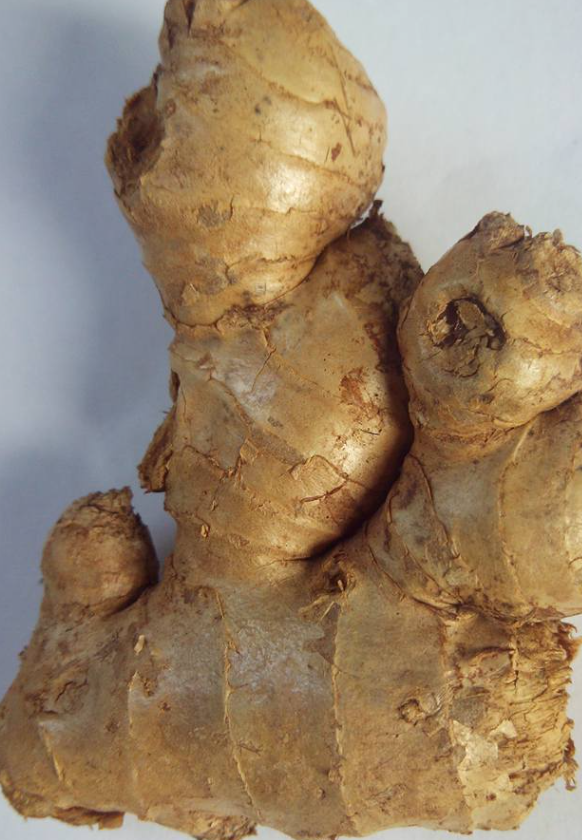
Ginger
Ginger has long been used in traditional remedies and teas.
It contains plant compounds that may support digestion and overall wellness.
Citrus Fruits
Oranges, lemons, and grapefruits are rich in vitamin C, which contributes to immune function.
Leafy Greens
Vegetables such as spinach and kale provide vitamins, minerals, and antioxidants that support overall health.
Turmeric
Turmeric contains curcumin, a compound studied for its potential anti-inflammatory properties.
Honey
Honey has traditionally been used to soothe the throat and provide natural sweetness in herbal drinks.
Green Tea
Green tea contains antioxidants known as catechins.
These compounds contribute to overall cellular health.
💪 Lifestyle Habits That Support Healthy Breathing
Beyond diet, daily habits can influence respiratory wellness.
Stay Physically Active
Regular exercise helps improve lung capacity and circulation.
Activities such as walking, swimming, or cycling encourage deeper breathing and oxygen flow.
Maintain Good Hydration
Water helps keep mucus thin and easier for the body to clear from the respiratory tract.
Improve Indoor Air Quality
Opening windows, using air purifiers, and reducing indoor pollutants can help maintain cleaner air at home.
Practice Deep Breathing
Deep breathing exercises help expand the lungs and encourage efficient oxygen exchange.
Avoid Tobacco Smoke
Smoke is one of the most significant irritants to the respiratory system.
Reducing exposure to smoke can help protect lung health.
👀 Why You Should Keep Reading (Page 2)
Supporting respiratory health involves more than just breathing exercises and herbal teas.
On the next page, we’ll explore:
• natural drinks that support airway comfort
• step-by-step breathing exercises
• additional herbs used in traditional respiratory wellness
• common mistakes that affect lung health
• safety tips and precautions
• answers to frequently asked questions about respiratory care
Many simple habits can make a meaningful difference in how well your lungs function.
Let’s continue.