⚠️ Doctors Warn: The Hidden Health Risks and Benefits of Cassava (Yuca) You Should Know
🌿 The Surprising Truth Behind One of the World’s Most Popular Roots
Cassava — also known as yuca, manioc, or tapioca root — is one of the most widely consumed staple foods on Earth. In many regions of Africa, Latin America, Asia, and the Caribbean, this humble root feeds millions of families every day.
It is affordable, filling, and incredibly versatile. Cassava can be boiled, fried, roasted, mashed, or ground into flour used for bread, tortillas, and tapioca products.
Yet despite its popularity, cassava is also surrounded by important health discussions.
In fact, nutrition experts and doctors often emphasize something many people don’t realize:
Cassava can be both beneficial and potentially risky depending on how it is prepared.
This doesn’t mean cassava is dangerous — millions of people eat it safely every day. But it does mean that understanding the root properly is important for anyone who includes it in their diet.
In this article, we’ll explore:
• What cassava (yuca) really is
• Its nutritional properties
• The potential health benefits
• Important safety concerns doctors discuss
• The correct ways to prepare cassava safely
Understanding these details can help you enjoy cassava as part of a balanced and safe diet.
🌱 What Is Cassava (Yuca)?
Cassava is a starchy root vegetable that grows on the plant Manihot esculenta, a shrub native to South America but now widely cultivated across tropical regions.
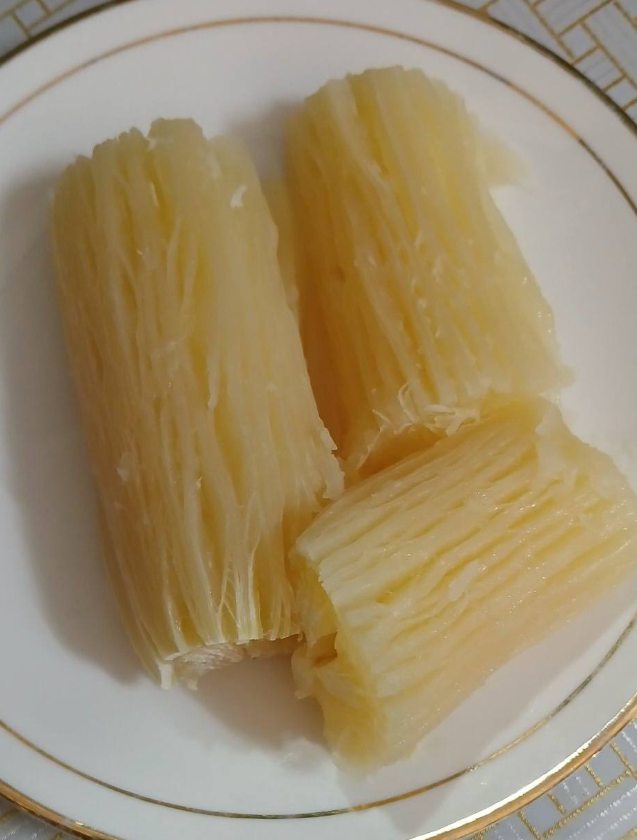
The root is long, cylindrical, and covered with a thick brown skin. Inside, the flesh is white and firm, similar in appearance to a potato but slightly denser.
Cassava is known for its:
• high carbohydrate content
• long shelf life once processed
• adaptability to poor soil conditions
Because it grows well in challenging environments, cassava has become an essential crop for food security in many parts of the world.
In addition to the fresh root, cassava is processed into several common foods such as:
• tapioca
• cassava flour
• garri
• fufu
• cassava chips
Each of these products comes from the same root but undergoes different preparation methods.
📜 The Long History of Cassava in Human Diets
Cassava has been cultivated for thousands of years.
Archaeological evidence suggests that Indigenous peoples in South America were growing cassava more than 4,000 years ago.
Over time, explorers and traders introduced cassava to Africa and Asia, where it became deeply integrated into local cuisines.
Today, cassava is considered one of the top staple crops globally, alongside rice, wheat, and corn.
Its popularity comes from several advantages:
• it grows in difficult climates
• it provides substantial calories
• it can be processed into many foods
However, traditional communities also developed specific preparation techniques to make cassava safe to eat — techniques that remain important today.
🧪 Nutritional Profile of Cassava
Cassava is primarily valued as a source of energy due to its high carbohydrate content.
A typical serving of cooked cassava contains:
• carbohydrates
• small amounts of fiber
• vitamin C
• trace minerals such as potassium and magnesium
Because of its nutritional composition, cassava can provide quick energy and contribute to daily calorie intake.
However, cassava is relatively low in protein and certain essential nutrients compared with other root vegetables.
For this reason, nutritionists often recommend combining cassava with protein-rich foods and vegetables for balanced meals.
✨ Potential Health Benefits of Cassava
When properly prepared and consumed in moderation, cassava may offer several nutritional benefits.
1. Provides Energy
Cassava is rich in carbohydrates, making it a reliable source of energy.
2. Naturally Gluten-Free
Cassava flour is naturally gluten-free, which makes it popular among people who avoid gluten.
3. Supports Digestive Balance
The fiber in cassava may contribute to digestive comfort.
4. Contains Vitamin C
Vitamin C supports immune function and overall wellness.
5. Versatile in Cooking
Cassava can be prepared in many ways, making it easy to include in diverse meals.
6. Suitable for Various Diets
Because it is plant-based and gluten-free, cassava fits into many dietary patterns.
7. Long Storage Potential
Processed cassava products like flour can be stored for long periods.
8. Important Food Security Crop
Cassava plays a major role in feeding populations in tropical regions.
9. Neutral Flavor
Its mild flavor makes it adaptable for both sweet and savory recipes.
10. Cultural Culinary Importance
Cassava remains a cornerstone of many traditional cuisines.
⚠️ The Hidden Risk Doctors Often Mention
While cassava has many benefits, doctors and food safety experts often emphasize an important fact:
Raw cassava contains naturally occurring compounds that can produce cyanide if not processed correctly.
These compounds are called cyanogenic glycosides.
In small amounts, these compounds are neutralized through proper preparation methods such as:
• peeling
• soaking
• fermenting
• cooking thoroughly
Traditional preparation techniques developed by communities over centuries effectively remove most of these compounds.
However, eating raw or improperly processed cassava can pose health risks.
That’s why food safety experts stress the importance of preparing cassava properly.
🌍 Types of Cassava: Sweet vs Bitter
There are two main types of cassava grown around the world.
Sweet Cassava
This variety contains lower levels of cyanogenic compounds and is commonly sold in markets for cooking.
Bitter Cassava
Bitter cassava contains higher levels of natural toxins and must be processed carefully before consumption.
Traditional food preparation methods often involve grating, fermenting, and cooking bitter cassava to make it safe.
👀 Why Understanding Cassava Preparation Matters
For most people, cassava purchased from reputable markets is safe when prepared properly.
However, awareness remains important because incorrect preparation can increase health risks.
Understanding how cassava should be handled ensures that people can enjoy its benefits while minimizing potential problems.
On the next page, we’ll explore:
• Step-by-step safe cassava preparation
• The best cooking methods
• common mistakes people make
• additional health considerations
• frequently asked questions about cassava consumption
Let’s continue and learn how to enjoy cassava safely.