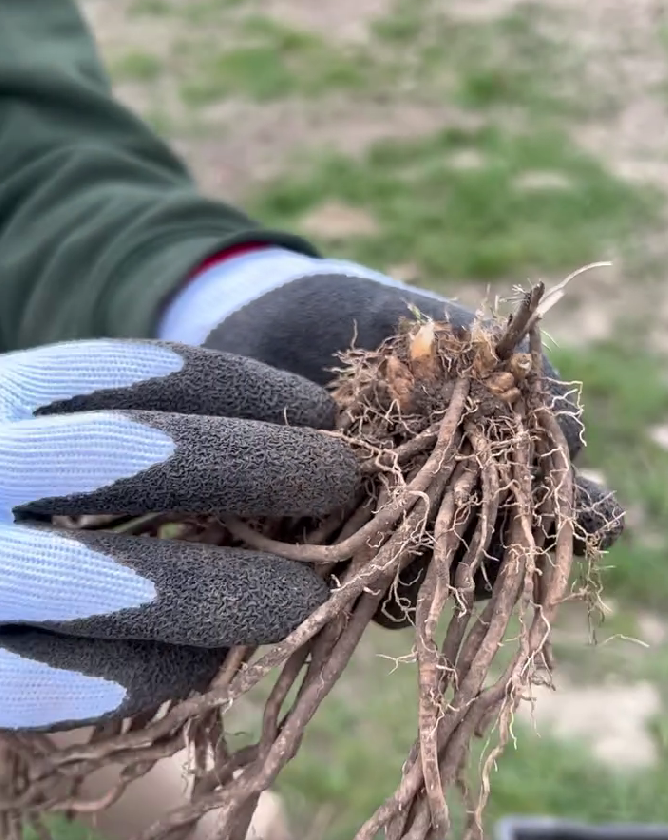
🌿 Wild Lettuce Root – Benefits, Uses, and Natural Pain Relief Properties
Wild lettuce is a fascinating plant that has attracted attention for centuries among herbalists, botanists, and natural medicine enthusiasts. Known scientifically as Lactuca virosa, this tall wild plant is often found growing along roadsides, fields, and open landscapes. Although it resembles the lettuce commonly eaten in salads, wild lettuce has very different characteristics and has historically been valued for its unique natural compounds.
For generations, traditional herbal practitioners have explored the properties of wild lettuce as part of natural wellness practices. One of the most interesting parts of the plant is its root and the milky sap that flows through its stems and tissues. In historical herbal traditions, this sap and root were sometimes used in preparations intended to support relaxation and natural comfort.
Wild lettuce has occasionally been referred to in herbal literature as “nature’s lettuce opium,” not because it contains narcotics, but because some of its compounds have historically been associated with calming properties. While modern science continues to examine these claims carefully, the plant remains widely discussed in herbal and botanical communities.
Understanding the plant, its history, and its traditional uses provides a fascinating glimpse into the long relationship between humans and medicinal plants.
🌱 What Is Wild Lettuce?
Wild lettuce belongs to the same botanical family as cultivated lettuce, but it grows naturally in the wild rather than being cultivated as a food crop. The plant can reach heights of up to six feet and produces long narrow leaves along a central stem.
One of the plant’s most distinctive features is the white milky latex that appears when the stem or leaves are cut. This sap contains several compounds that have been studied by researchers interested in plant chemistry.
Wild lettuce typically produces small yellow flowers near the top of the plant during the warmer months of the year. Once mature, the flowers produce seeds that spread easily through wind dispersal.
The root system of the plant is relatively strong and helps it survive in dry or disturbed soils where many other plants might struggle to grow.
🌿 Where Wild Lettuce Grows
Wild lettuce is native to Europe and parts of Asia but has spread widely across North America and other regions. It often grows in sunny open areas, including fields, roadside edges, and abandoned land.
Because it thrives in disturbed soils, the plant frequently appears in areas where the ground has been recently cleared or where other vegetation is sparse.
Its ability to adapt to different environments is one reason why it has become so widespread.
📜 Historical Uses of Wild Lettuce
Historical texts suggest that wild lettuce was known to ancient herbalists thousands of years ago. Some early herbal traditions described extracts from the plant as having soothing properties.
In ancient Egypt and later in Greek and Roman herbal traditions, plants related to wild lettuce were sometimes used in preparations associated with relaxation and sleep support.
During the 19th century, wild lettuce extracts were explored more widely in herbal medicine. At that time, some herbalists experimented with plant preparations intended to provide natural comfort support.
Although modern medicine has developed far more advanced treatments, the historical use of plants like wild lettuce remains an important part of botanical research.