The Real Benefits of Mixing Lemon with Activated Charcoal
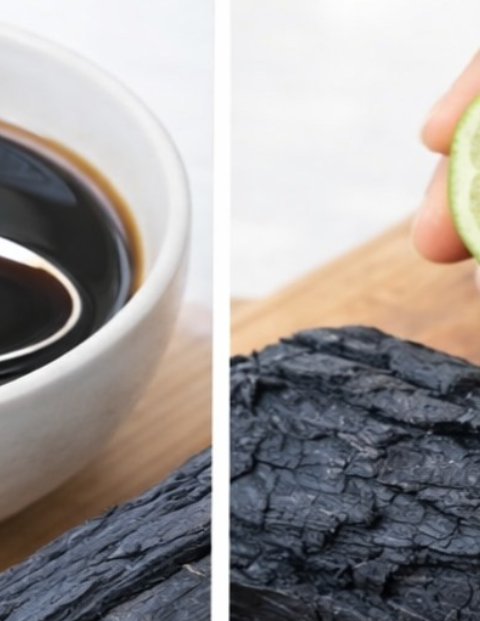
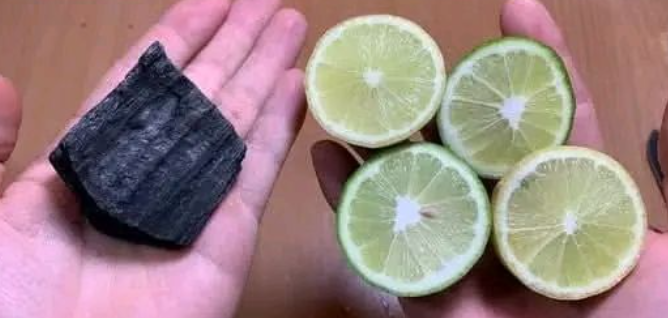
Natural wellness trends often highlight simple ingredient combinations that promise various benefits for the body. One mixture that occasionally appears in health discussions is the pairing of lemon and activated charcoal. Both ingredients are widely known for different reasons: lemon for its refreshing taste and vitamin content, and activated charcoal for its highly porous structure used in filtration and specialized medical settings.
Because of their unique characteristics, some people explore combining lemon and activated charcoal in small, carefully controlled preparations. However, it is important to understand the realistic role of these ingredients and avoid exaggerated claims.
Activated charcoal is commonly used in water filtration systems and certain medical contexts under professional supervision. Lemon, on the other hand, is a citrus fruit valued for its vitamin C and natural acidity. When combined responsibly, these ingredients may be used in limited situations such as cosmetic masks or experimental beverages.
That said, activated charcoal should be used cautiously and never as a routine dietary supplement without professional guidance. This article explores what these ingredients are, what research suggests about them, how to prepare simple mixtures safely, and how they fit into a balanced lifestyle.
🌿 Why This Combination Is Getting Attention
The combination of lemon and activated charcoal has gained attention because both ingredients have distinctive properties that are often discussed in wellness communities.
- Lemon contains vitamin C and natural antioxidants
- Activated charcoal has a porous structure that can bind certain substances
- The mixture is sometimes used in cosmetic masks
- Both ingredients are widely available
- Many people are interested in simple natural ingredient blends
✔️ Key takeaways:
- Lemon provides refreshing flavor and nutrients.
- Activated charcoal is commonly used for filtration and specialized applications.
- The mixture is often explored in cosmetic or occasional wellness contexts.
- Moderation and safety are essential when using charcoal.
✨ What Research & Experts Say
Scientific research on activated charcoal focuses largely on its ability to adsorb certain substances because of its extremely porous surface. In medical settings, it is sometimes used under professional supervision in specific emergency situations.
However, consuming activated charcoal without medical guidance may interfere with nutrient absorption or medications.
Dr. Leila Nour explains: “Activated charcoal has unique adsorptive properties, but its use in foods or drinks should be approached cautiously because it can interact with nutrients and medications.”
Prof. Mark Benson notes: “While lemon offers vitamins and plant compounds, activated charcoal is not intended for regular dietary use outside professional guidance.”
Nutritionist Sarah Coleman adds: “When people experiment with wellness trends, understanding the scientific context helps avoid unintended effects.”
These perspectives highlight that activated charcoal should be treated differently from typical food ingredients.
🥄 How to Prepare & Use It Safely
If used at all, mixtures containing activated charcoal should be extremely diluted and used sparingly. Many people prefer using charcoal for external purposes rather than ingestion.
Example Cosmetic Face Mask
This type of mixture is commonly used for skincare routines rather than consumption.
Ingredients
- ½ teaspoon activated charcoal powder
- 1 teaspoon lemon juice
- 1 tablespoon plain yogurt or aloe gel
Preparation Steps
- Combine the charcoal powder and yogurt in a small bowl.
- Add a few drops of lemon juice.
- Mix until a smooth paste forms.
- Apply gently to the skin.
- Leave on for several minutes.
- Rinse thoroughly with warm water.
Safety Guidance
- Use cosmetic-grade activated charcoal.
- Perform a patch test before applying to the skin.
- Avoid contact with eyes.
Individuals who should seek professional advice before using charcoal products:
- People taking prescription medications
- Individuals with sensitive skin conditions
- Pregnant or breastfeeding individuals
- Anyone considering ingesting charcoal supplements
📊 Benefits & Practical Use Table
| Benefit | Amount | Serving Size | Practical Use |
|---|---|---|---|
| Provides vitamin C | Small portion | 1 teaspoon lemon juice | Added to cosmetic mixture |
| Adsorptive surface properties | Minimal quantity | ½ teaspoon charcoal | Used in skincare products |
| Supports experimental cosmetic routines | Occasional use | 1 mask session | Applied externally |
| Encourages ingredient awareness | Light preparation | Small mixture | DIY skincare practice |
⚖️ DIY Charcoal Mixtures vs Commercial Products
Many people choose between homemade charcoal blends and commercial skincare products.
DIY Mixtures
Pros:
- Simple ingredients
- Customizable preparation
- Lower cost
Cons:
- Requires careful measurements
- Short shelf life
Commercial Charcoal Products
Pros:
- Convenient and ready to use
- Tested formulas
Cons:
- Higher cost
- Possible synthetic additives
🚫 Common Mistakes to Avoid
- Consuming charcoal frequently – It may interfere with nutrient absorption.
- Using large quantities – Only very small amounts are typically used.
- Mixing charcoal with medications – It may reduce medication effectiveness.
- Expecting detox effects – Wellness depends on many lifestyle factors.
- Ignoring ingredient quality – Use food-grade or cosmetic-grade charcoal only.