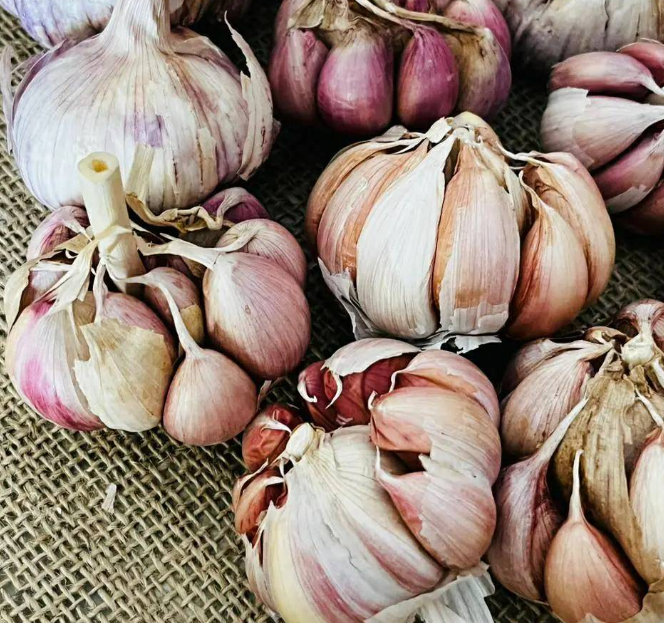
Garlic Peels: Benefits and How to Use Them in the Garden
When preparing garlic in the kitchen, most people automatically peel away the papery outer layers and toss them in the trash. It seems like a natural step in cooking, but what many gardeners and sustainability enthusiasts are discovering is that garlic peels may actually have valuable uses beyond the kitchen.
As interest in eco-friendly gardening and reducing household waste grows, everyday food scraps are being reexamined for their potential benefits. Garlic peels are one such example. While they may appear dry and insignificant, they contain natural plant compounds and organic material that can contribute to soil health and garden care when used thoughtfully.
Instead of discarding garlic skins, some gardeners choose to compost them, create mild garden infusions, or incorporate them into soil mixes. These methods allow kitchen scraps to return nutrients to the earth, supporting a more sustainable gardening routine.
However, it is important to approach these practices realistically. Garlic peels are not a miracle pest solution or fertilizer replacement. Rather, they can serve as a small supportive element in a well-balanced gardening system that includes healthy soil, proper watering, and thoughtful plant care.
In this article, we will explore why garlic peels are gaining attention among home gardeners, what horticulture experts say about their potential uses, and practical ways to incorporate them safely into your garden routine.
🌿 Why This Garden Method Is Gaining Attention
Home gardening has experienced a major resurgence as people become more interested in growing their own food and caring for plants naturally. Alongside this trend, many gardeners are looking for simple ways to reuse kitchen scraps rather than throwing them away.
Garlic peels are often highlighted because they contain natural plant compounds and break down easily when added to soil or compost systems.
- Encourages sustainable gardening practices
- Reduces kitchen waste
- Adds organic material to compost piles
- Easy to collect and store
- Requires no special equipment
✔️ Key takeaways:
- Garlic peels are a simple kitchen scrap that can be reused in gardening.
- They contribute organic matter when composted.
- Gardeners use them as part of broader sustainable practices.
- They work best alongside proper soil management techniques.
✨ What Research & Experts Say
Although garlic itself has been studied for various natural compounds, research specifically focused on garlic peels in gardening is still developing. However, composting experts and horticulturists generally agree that plant scraps can contribute beneficial organic material to soil over time.
Dr. Leila Nour, a plant science researcher, explains: “Kitchen scraps such as garlic skins can add organic matter to compost systems, helping support soil structure and microbial activity.”
Prof. Mark Benson, who studies sustainable agriculture, notes: “Using food waste in composting is one of the most practical ways to recycle nutrients back into the soil.”
Nutritionist Sarah Coleman adds from a sustainability perspective: “Households that repurpose kitchen scraps often reduce food waste and develop a stronger connection to natural growing cycles.”
These perspectives emphasize that garlic peels should be seen as part of a holistic gardening approach rather than a standalone solution.
🥄 How to Prepare & Use Garlic Peels Safely
Garlic peels can be used in several simple ways in the garden. The key is to apply them in moderation and as part of a balanced soil care routine.
Simple Steps for Using Garlic Peels
- Collect garlic peels whenever you cook with fresh garlic.
- Allow the peels to dry if they are slightly moist.
- Add the peels to your compost pile or compost bin.
- Alternatively, soak peels in water overnight to create a mild garden infusion.
- Strain the liquid and use it to lightly water plants.
- Mix composted material into garden soil after it breaks down fully.
Safety Guidance
- Use garlic peels in moderation within compost systems.
- Avoid placing large amounts directly around delicate seedlings.
- Ensure proper compost breakdown before applying to soil.
Garden situations where caution may be helpful:
- Indoor plants with sensitive root systems
- Very young seedlings
- Small container gardens with limited soil volume
📊 Benefits & Practical Use Table
| Benefit | Amount | Serving Size | Practical Use |
|---|---|---|---|
| Adds organic material | Small handful | Kitchen scraps | Added to compost piles |
| Supports soil microbial activity | Moderate use | Mixed compost | Blended into garden beds |
| Encourages waste reduction | Regular collection | Saved peels | Used instead of discarding |
| Provides mild plant infusion | Small amount | Peels soaked in water | Used as occasional garden watering |
⚖️ DIY Garden Use vs Store-Bought Products
Many gardeners choose between natural DIY methods and commercial garden products when caring for their plants.
DIY Use of Garlic Peels
Pros:
- Reduces kitchen waste
- No additional cost
- Supports eco-friendly gardening
- Easy to integrate into composting
Cons:
- Limited nutrient concentration
- Requires compost time
- Results vary depending on soil conditions
Commercial Garden Products
Pros:
- Consistent nutrient formulas
- Convenient and easy to apply
- Often faster acting
Cons:
- Higher cost
- Possible chemical additives
- Less environmentally sustainable in some cases
🚫 Common Mistakes to Avoid
- Adding too many peels directly to soil – Excess material may slow decomposition.
- Skipping composting – Raw scraps may take longer to break down.
- Expecting pest control miracles – Garlic peels are not guaranteed pest solutions.
- Ignoring soil balance – Healthy soil requires multiple nutrients.
- Using spoiled kitchen scraps – Always use fresh, clean peels.