Avocado Seed Powder: How to Make It and Its Benefits
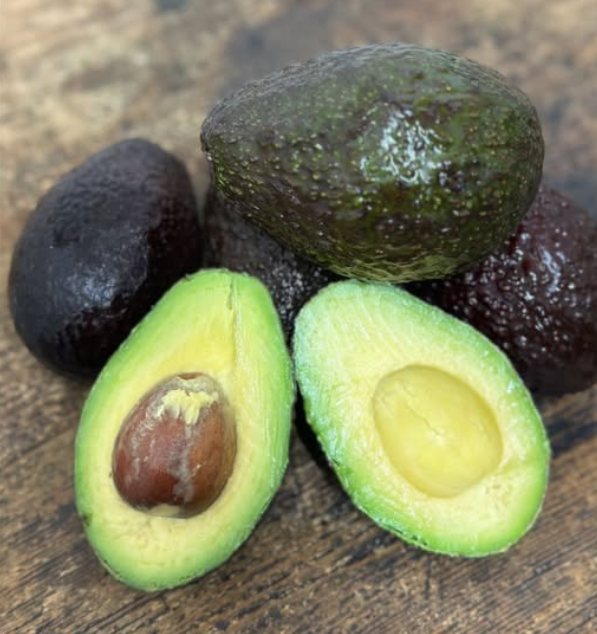
Avocados are widely known for their creamy texture, healthy fats, and versatility in meals ranging from salads to smoothies. Most people enjoy the soft green flesh and discard the large seed in the center without a second thought. However, growing interest in reducing food waste and exploring nutrient-rich plant ingredients has sparked curiosity about a lesser-known use for this part of the fruit: avocado seed powder.
The avocado seed, sometimes called the avocado pit, contains natural plant compounds and fiber that have attracted attention among wellness enthusiasts. In several traditional food practices, different parts of fruits and plants were used creatively rather than discarded. Today, some people dry and grind avocado seeds into powder as a way to incorporate additional plant-based nutrients into recipes.
It is important to approach this trend with realistic expectations. While avocado seeds contain certain plant compounds being studied by researchers, there is still limited scientific evidence about their health effects when consumed as powder. Therefore, avocado seed powder should be viewed as an experimental food ingredient used in moderation rather than a guaranteed health booster.
In this article, we’ll explore how avocado seed powder is prepared, what research suggests about its nutritional components, possible ways to use it safely, and how it can fit into a balanced wellness routine.
🌿 Why This Wellness Method Is Gaining Attention
Interest in avocado seed powder has grown alongside broader wellness trends that focus on reducing food waste and exploring plant-based ingredients. Many people are curious about whether the part of the avocado typically thrown away might have practical uses.
- Growing interest in sustainable cooking and reducing food waste
- Curiosity about plant compounds found in avocado seeds
- Interest in homemade powders and natural ingredients
- Use in smoothies, teas, or baked goods
- Popularity among experimental home cooks
✔️ Key takeaways:
- Avocado seed powder is made by drying and grinding the pit.
- It is used in small quantities in recipes or beverages.
- Scientific research on its nutritional benefits is still developing.
- Moderation and safe preparation are important.
✨ What Research & Experts Say
Avocado seeds contain fiber and several plant compounds, including polyphenols and antioxidants that researchers have studied in laboratory settings. These compounds are commonly found in many fruits and vegetables and are associated with overall dietary diversity.
However, the available research does not yet provide strong evidence supporting specific health outcomes from consuming avocado seed powder.
Dr. Leila Nour explains: “Avocado seeds contain plant compounds that researchers are exploring, but consuming them as powder should be approached cautiously until more research is available.”
Prof. Mark Benson adds: “Food trends that repurpose normally discarded parts of plants can be interesting from a sustainability perspective, but their nutritional impact must be evaluated carefully.”
Nutritionist Sarah Coleman notes: “If people choose to experiment with avocado seed powder, it should be used sparingly and as part of a balanced diet rich in fruits and vegetables.”
These perspectives highlight the importance of curiosity combined with responsible dietary choices.
🥄 How to Prepare & Use It Safely
Preparing avocado seed powder at home requires patience because the seed is dense and must be fully dried before grinding.
Step-by-Step Preparation
- Remove the seed from a ripe avocado and rinse it thoroughly.
- Allow the seed to dry for several hours or overnight.
- Carefully cut the seed into smaller pieces using a sturdy knife.
- Place the pieces in an oven at low temperature (around 250°F / 120°C) for about 1–2 hours to dry them completely.
- Allow the dried pieces to cool.
- Grind them into powder using a blender or spice grinder.
Safety Guidance
- Use only small amounts when adding the powder to foods.
- Avoid consuming large quantities due to limited research.
- Store the powder in an airtight container.
Individuals who should consult a healthcare professional before trying it:
- People with digestive sensitivities
- Pregnant or breastfeeding individuals
- Those with food allergies or dietary restrictions
- Anyone with chronic medical conditions
📊 Benefits & Practical Use Table
| Benefit | Amount | Serving Size | Practical Use |
|---|---|---|---|
| Provides plant fiber | Small portion | ½ teaspoon | Added to smoothies |
| Encourages sustainable cooking | Occasional use | Small pinch | Used in homemade recipes |
| Introduces plant polyphenols | Moderate intake | ½–1 teaspoon | Mixed into tea or beverages |
| Adds earthy flavor | Light amount | Small sprinkle | Used in baking or sauces |
⚖️ DIY vs Store-Bought Comparison
Avocado seed powder can be made at home or purchased from specialty suppliers. Each option has advantages and limitations.
DIY Preparation
Pros:
- Uses seeds that would otherwise be discarded
- Full control over preparation
- Lower cost
- Fresh powder
Cons:
- Requires time and equipment
- Hard texture makes grinding difficult
Store-Bought Powder
Pros:
- Convenient and ready to use
- Consistent texture
Cons:
- Higher cost
- Quality varies between brands
- May include additives
🚫 Common Mistakes to Avoid
- Consuming large quantities – Excess intake may cause digestive discomfort.
- Expecting dramatic health changes – Research on avocado seeds is still limited.
- Improper drying – Moisture can lead to spoilage.
- Ignoring overall diet quality – Balanced meals remain essential.
- Using poorly prepared seeds – Proper grinding and storage are important.