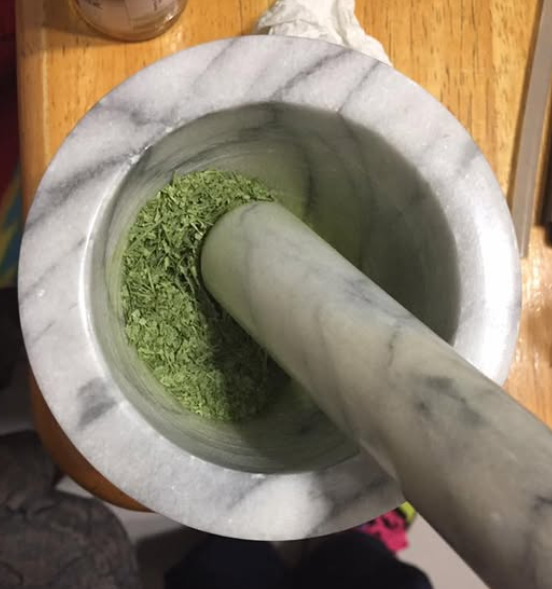
Moringa Leaves: The Nutrient-Packed Superfood That May Support Your Health Naturally
In recent years, interest in plant-based nutrition has grown dramatically as people search for simple, natural ways to support their health. Among the many foods gaining attention, one leafy green stands out for its impressive nutritional profile and long history in traditional diets: moringa leaves.
Often referred to as the “miracle tree” in traditional cultures, the moringa plant (Moringa oleifera) has been used for generations in parts of Asia, Africa, and South America. Its leaves, pods, seeds, and even roots have historically been incorporated into food and herbal practices.
Today, moringa leaves are gaining recognition among wellness enthusiasts because they contain a wide variety of vitamins, minerals, and plant compounds. Many people are exploring moringa as a simple addition to smoothies, teas, soups, and everyday meals.
While moringa is often described as a “superfood,” it’s important to approach these claims with balance. No single food can transform health on its own. However, nutrient-dense foods like moringa leaves may play a supportive role when combined with a balanced diet, regular physical activity, and healthy lifestyle habits.
In this article, we’ll explore why moringa leaves are receiving so much attention, what experts say about their nutritional value, how to prepare them safely, and how they can fit into a modern wellness routine.
🌿 Why This Wellness Method Is Gaining Attention
Moringa leaves have attracted global interest because they offer a rich concentration of nutrients in a simple plant-based form. In regions where the moringa tree grows naturally, the leaves have long been used as a staple ingredient in everyday cooking.
Modern nutrition discussions often highlight moringa because of its combination of vitamins, minerals, and plant compounds.
- Rich in vitamins such as vitamin A, vitamin C, and vitamin E
- Contains minerals like calcium, potassium, and iron
- Provides plant-based protein and fiber
- Often used in traditional herbal practices
- Available in fresh, dried, and powdered forms
✔️ Key takeaways:
- Moringa leaves are nutrient-dense and widely used in traditional diets.
- They can be consumed fresh, cooked, or as powder.
- Interest in moringa is growing in wellness communities worldwide.
- Balanced nutrition is still the most important factor for overall health.
✨ What Research & Experts Say
Scientific interest in moringa has increased as researchers explore its nutritional composition and potential biological activity. Moringa leaves contain antioxidants, plant polyphenols, and other compounds that are being studied for their potential role in supporting overall wellness.
While research continues to evolve, experts emphasize that moringa should be viewed as a nutritious food rather than a medical treatment.
Dr. Leila Nour, a wellness researcher, explains: “Moringa leaves are rich in nutrients and antioxidants that may support general health when included as part of a balanced diet.”
Prof. Mark Benson, a specialist in nutritional science, notes: “Plant-based foods like moringa offer valuable micronutrients and can contribute to overall dietary diversity.”
Nutritionist Sarah Coleman adds: “Leafy greens such as moringa can help people increase their intake of plant nutrients, especially when incorporated regularly into meals.”
These insights highlight an important principle: foods like moringa work best as part of a comprehensive approach to health rather than as standalone solutions.
🥄 How to Prepare & Use It Safely
Moringa leaves are versatile and can be prepared in several ways depending on availability and personal taste.
Preparation Steps
- Obtain fresh moringa leaves or high-quality moringa powder.
- Wash fresh leaves thoroughly to remove dust or debris.
- Cook leaves lightly in soups, stews, or vegetable dishes.
- If using powder, add a small amount to smoothies or teas.
- Start with small servings to assess taste and digestion.
- Use moderate amounts as part of balanced meals.
Safety Guidance
- Moderation is recommended when trying new foods.
- Choose moringa products from reputable suppliers.
- Avoid excessive intake of concentrated powders.
Individuals who should consult a healthcare professional before using moringa regularly:
- Pregnant or breastfeeding individuals
- People taking prescription medications
- Individuals managing chronic health conditions
- Anyone considering frequent supplement use
📊 Benefits & Practical Use Table
| Benefit | Amount | Serving Size | Practical Use |
|---|---|---|---|
| Provides plant-based nutrients | Moderate intake | 1 teaspoon powder | Added to smoothies or juices |
| Supports antioxidant intake | Regular consumption | 1 cup cooked leaves | Included in soups or vegetable dishes |
| Encourages plant-based nutrition | Small serving | 1–2 teaspoons powder | Mixed into oatmeal or yogurt |
| Supports dietary variety | Occasional use | Handful fresh leaves | Added to salads or stir-fries |
⚖️ DIY vs Store-Bought Comparison
Moringa can be consumed either from fresh leaves or as store-bought powder and supplements.
Fresh Moringa Leaves
Pros:
- Natural whole-food form
- Minimal processing
- Often used in traditional cooking
- Lower cost in regions where it grows
Cons:
- Limited availability in some areas
- Short shelf life
Moringa Powder or Supplements
Pros:
- Convenient and easy to store
- Simple to add to drinks or foods
- Available in many health stores
Cons:
- Quality varies between brands
- More expensive than fresh leaves
- Possible additives in some products
🚫 Common Mistakes to Avoid
- Using excessive amounts – Large quantities may cause digestive discomfort.
- Expecting dramatic results – Nutrient-rich foods work gradually as part of a healthy diet.
- Relying only on supplements – Whole foods should remain the foundation of nutrition.
- Purchasing low-quality products – Always choose reputable sources.
- Ignoring overall lifestyle habits – Exercise, sleep, and balanced meals are essential.