Step-by-Step Guide to Building Raised Garden Beds Like an 85-Year-Old American Farmer
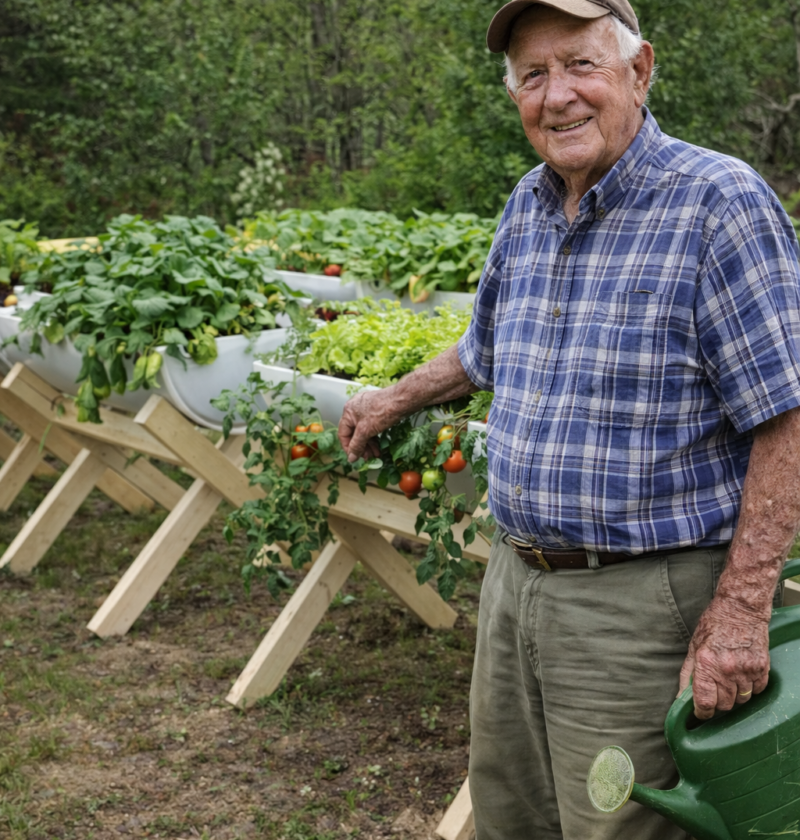
There’s something timeless about a well-built raised garden bed. Long before garden influencers and pre-cut hardware kits, older American farmers built their beds with simple tools, durable lumber, and practical wisdom earned over decades in the soil. The goal wasn’t aesthetics alone — it was longevity, efficiency, and reliable harvests year after year.
This guide walks you through building raised garden beds using the steady, no-nonsense approach an 85-year-old American farmer might follow: practical materials, smart soil layering, proper drainage, and balanced spacing. No unnecessary complexity. Just solid construction and thoughtful planning that delivers real results.
🌿 Why Raised Garden Beds Still Work So Well
Raised beds improve soil control, drainage, and accessibility. They warm up faster in spring and reduce weed pressure compared to traditional in-ground rows.
- Better soil quality control
- Improved drainage
- Reduced compaction
- Higher planting density
Key advantages:
- ✔️ Easier on the back and knees
- ✔️ Improved root development
- ✔️ Cleaner, straighter crops
- ✔️ Longer growing season
✨ Choosing the Right Materials
Old-school farmers preferred durable, untreated lumber and sturdy fasteners. Simplicity was the rule.
- • Cedar or redwood boards (naturally rot-resistant)
- • Galvanized screws or exterior deck screws
- • Corner posts for reinforcement
- • Level ground surface
Avoid pressure-treated wood for edible crops unless rated safe for garden use.
🥄 Step-by-Step Construction Process
Follow this structured build process for strong, long-lasting beds.
1. Choose Location
Select a spot with at least 6–8 hours of direct sunlight and good airflow.
2. Measure and Mark
Standard beginner-friendly size: 4 feet wide (easy reach) by 8 feet long.
3. Cut and Assemble Frame
Secure boards together with corner posts and galvanized screws.
4. Level the Ground
Remove grass and ensure the base sits flat to prevent shifting.
5. Install Weed Barrier (Optional)
Use cardboard or landscape fabric if needed.
6. Fill with Soil Mix
Layer organic material and high-quality soil blend.
📊 Ideal Raised Bed Dimensions Table
| Factor | Ideal Setup | Why It Helps |
|---|---|---|
| Width | 4 feet | Easy access from both sides |
| Length | 6–8 feet | Maximizes planting space |
| Height | 10–12 inches minimum | Improves root development |
| Soil Mix | Topsoil + Compost + Organic Matter | Balanced nutrient support |
🚫 Common Mistakes First-Time Builders Make
- Building beds too wide
- Using low-quality soil
- Skipping leveling
- Overwatering in poor drainage areas
As Professor Mark Benson explains, “Raised beds are only as productive as the soil inside them. Structure matters, but soil health determines yield.”
⚖ DIY Lumber vs Pre-Made Kits
DIY Build
- Lower cost
- Custom sizing
- Greater durability control
Store-Bought Kit
- Convenient assembly
- Uniform appearance
- Often higher cost
Budget-conscious gardeners often prefer DIY builds for flexibility and longevity.
❓ Raised Garden Bed FAQ
- How long do raised beds last?
Cedar beds can last 10–15 years with proper care. - Do I need drainage holes?
Open-bottom beds allow natural drainage. - Is 12 inches deep enough?
Yes for most vegetables; root crops may benefit from deeper soil. - Can I place beds on grass?
Yes, but remove sod first for best results. - How much soil do I need?
Approximately 1 cubic yard for a 4x8x1 ft bed. - Are raised beds good for beginners?
Yes, they simplify soil management. - What vegetables grow best?
Tomatoes, peppers, lettuce, carrots, herbs. - Should I rotate crops?
Yes, yearly rotation improves soil balance. - Do raised beds reduce weeds?
Yes, significantly when filled with clean soil. - Can I build on concrete?
Yes, with proper depth and drainage planning.
🌿 From Backyard Build to Modern Outdoor Design
A well-constructed raised bed doesn’t just produce food — it creates structure and symmetry in outdoor spaces. Clean lines and natural wood tones elevate the look of any yard.