Tiny Teeth, Big Possibilities: The Promise of Stem Cells in Baby Teeth
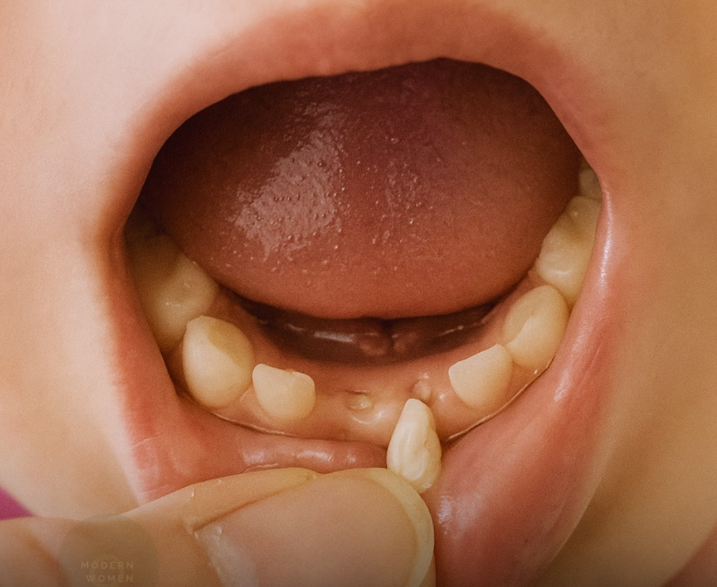
Most parents see baby teeth as a short-lived milestone — something to wiggle, celebrate, and eventually tuck under a pillow. But in recent years, scientists have begun looking at those tiny teeth through a very different lens. Instead of simply marking childhood growth, baby teeth may hold biological material that researchers believe could play a meaningful role in future medical and scientific advancements.
As families across the United States explore options like cord blood banking and genetic screening, the idea of preserving stem cells from baby teeth is gaining attention. What exactly are dental stem cells? How are they collected, stored, and potentially used? And is this something families should seriously consider? This guide walks you through the science, the process, the practical considerations, and the realistic expectations — without hype or medical claims.
🌿 What Makes Baby Teeth Scientifically Interesting?
Baby teeth contain a soft tissue inside called dental pulp. Within that pulp are stem cells — undifferentiated cells capable of developing into various specialized cell types under specific conditions in laboratory settings.
- Stem cells in baby teeth are known as SHED (Stem cells from Human Exfoliated Deciduous teeth).
- They are considered “young” cells, collected early in life.
- They are being studied in regenerative medicine and tissue research.
Key takeaways:
- ✔️ Baby teeth contain viable stem cells in the pulp tissue.
- ✔️ These cells are currently studied — not widely used in routine treatments.
- ✔️ Research is ongoing in labs and clinical trials.
According to Dr. Leila Nour, a regenerative biology researcher, “Dental stem cells are interesting because they are relatively easy to collect compared to bone marrow or other adult sources. That accessibility is what makes families curious.”
✨ How Stem Cells From Baby Teeth Differ From Other Sources
Stem cells can come from several sources, and each has distinct characteristics. Baby tooth stem cells are just one option among others families may hear about.
- • Cord blood stem cells are collected at birth.
- • Bone marrow stem cells require an invasive procedure.
- • Dental stem cells are collected naturally as teeth fall out.
Unlike embryonic stem cells, dental stem cells are classified as adult stem cells. They are multipotent, meaning they can develop into a limited range of specialized cell types in laboratory settings. Research suggests they may have potential in studying bone, nerve, and dental tissue regeneration.
Prof. Mark Benson notes, “From a research standpoint, SHED cells are valuable because they proliferate quickly in controlled environments. That doesn’t mean they are a guaranteed future treatment, but they are scientifically promising.”
🌿 The Collection Process Explained
Collection is one of the main reasons families consider dental stem cell banking. The process does not require surgery or anesthesia if the tooth naturally falls out at the right stage.
- A tooth must be collected before it fully dries out.
- Most services provide a collection kit with transport media.
- The tooth is shipped overnight to a lab for processing.
Key takeaways:
- ✔️ Timing matters — the pulp must remain viable.
- ✔️ Not every baby tooth qualifies.
- ✔️ Professional processing is required.
Safety Considerations
Parents should ensure that:
- The tooth is not decayed or heavily infected.
- The child is comfortable and not in pain.
- The storage company follows FDA regulations and laboratory standards.
It is essential to consult a pediatric dentist before considering collection. Dental professionals can assess whether the tooth is suitable and guide families through safe handling.
✨ Costs and Long-Term Storage
Stem cell banking from baby teeth is typically a private service in the United States. Costs vary by provider.
- • Initial processing fees often range from $500 to $2,000.
- • Annual storage fees may apply.
- • Some providers offer payment plans.
Families should evaluate:
- Laboratory accreditation and reputation.
- Long-term viability guarantees.
- Policies if the company closes or merges.
Just like cord blood banking, this is a long-term investment with uncertain future use. Some families choose it for peace of mind; others decide the research is still too early to justify the expense.
🌿 Common Mistakes Families Make
Because baby tooth stem cell preservation is a newer concept, misunderstandings are common.
- Assuming every tooth can be banked.
- Waiting too long after the tooth falls out.
- Believing current therapies are widely available.
Key takeaways:
- ✔️ Not all baby teeth are eligible.
- ✔️ Storage does not guarantee future treatment.
- ✔️ Proper research before choosing a provider is essential.
✨ DIY vs Professional Stem Cell Banking
Some parents ask whether they can store teeth at home. The short answer: home freezing is not a viable method for preserving stem cells.
- • Professional labs use cryopreservation techniques.
- • Controlled freezing prevents cellular damage.
- • At-home storage lacks sterile conditions and testing.
Nutritionist Sarah Coleman explains, “It’s important for families to separate curiosity from clinical readiness. Professional processing is the only scientifically supported route.”
🥄 Step-by-Step Routine
If you’re considering dental stem cell banking, here’s a simplified overview of the typical process.
1. Research Providers
Compare accreditation, costs, and customer reviews.
2. Consult Your Dentist
Confirm that your child’s tooth is suitable for collection.
3. Order a Collection Kit
Most services ship a sterile kit before the tooth falls out.
4. Collect the Tooth Promptly
Place it immediately into the provided transport solution.
5. Ship Overnight
Follow instructions carefully to preserve viability.
6. Confirm Storage Documentation
Review lab reports and storage certificates.
📊 Benefits & Use Table
Below is a simplified overview of functional characteristics currently studied in dental stem cells.
| Benefit | Measurement/Quantity | Serving/Weight/Portion | Practical value |
|---|---|---|---|
| Cell proliferation capacity | High in lab conditions | Single viable pulp sample | Research flexibility |
| Non-invasive collection | Natural tooth loss | 1–4 qualifying teeth | Convenient timing |
| Cryogenic stability | Long-term freezing | Stored sample | Extended preservation |
| Youthful cell source | Early childhood origin | Individual tooth | Biological age advantage |
❓ FAQs
Here are common questions U.S. parents ask.
- Are stem cells from baby teeth currently used in routine treatments?
Most applications are still in research or clinical trial phases. They are not standard therapy. - How long can stem cells be stored?
Cryopreservation allows for long-term storage, potentially decades, depending on facility standards. - Does insurance cover dental stem cell banking?
Typically no, as it is considered elective and private. - Which teeth are best?
Healthy incisors and canines that fall out naturally are often preferred. - Can adult teeth be used?
Yes, but baby teeth are considered more accessible and younger in origin. - What if the tooth is damaged?
Cracked or decayed teeth may not qualify. - Is the process regulated?
Labs must follow FDA guidelines for tissue handling. - Are there ethical concerns?
Dental stem cells avoid many ethical debates associated with embryonic sources. - How many teeth should be stored?
Some providers recommend multiple samples for redundancy. - Is it worth the cost?
That depends on your family’s priorities, risk tolerance, and financial comfort.
🌿 Premium Indoor Styling Transition
Interestingly, the idea of preserving baby teeth has shifted from something tucked away in keepsake boxes to being part of a broader lifestyle conversation — one that blends wellness, preparedness, and thoughtful family planning. Just as families design intentional living spaces, they’re also designing long-term health strategies.