Over 200 People Are Killed By The “World’s Deadliest Food” Every Year, But Almost 500 Million People Still Eat It
It sounds like something straight out of a thriller: a common food eaten by hundreds of millions of people each year is also associated with hundreds of deaths annually. How can something so widely consumed carry such serious risks?
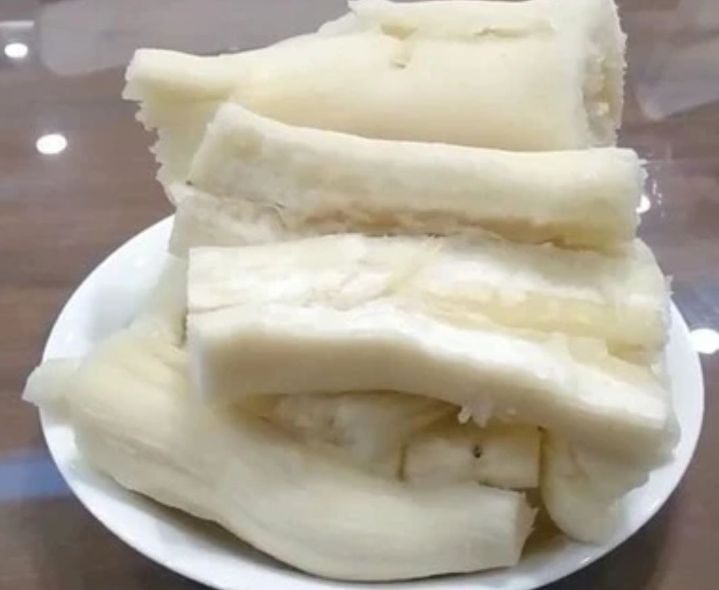
The answer lies in preparation, tradition, and knowledge. The food often labeled the “world’s deadliest” isn’t an exotic animal or rare mushroom. It’s cassava — a starchy root vegetable that serves as a staple for nearly half a billion people worldwide. In many regions of Africa, Asia, and South America, cassava provides daily calories, affordability, and food security.
Yet when improperly prepared, certain varieties of cassava contain naturally occurring compounds that can release cyanide. In rare but documented cases, improper processing has been associated with serious illness or death.
Before panic sets in, it’s important to understand something crucial: when prepared correctly, cassava is widely considered safe and has nourished communities for generations. The risks stem not from the food itself, but from inadequate preparation or extreme food shortages that shorten traditional processing methods.
So why is cassava still eaten by so many people? What do experts say about its safety? And how can this “deadly” label be understood in a balanced, responsible way?
Let’s take a closer look at the science, the cultural importance, and the practical safety considerations behind one of the world’s most misunderstood foods.
🌿 Why This Wellness Method Is Gaining Attention
Cassava has gained attention not only because of headlines about its risks, but also because of its role in global nutrition, gluten-free diets, and alternative flours. In the United States, cassava flour and tapioca products have become increasingly popular among people seeking grain-free options.
Here’s why cassava continues to attract interest:
- It is naturally gluten-free.
- It is drought-resistant and supports food security in vulnerable regions.
- It can be processed into flour, tapioca pearls, chips, and traditional dishes.
- It provides a significant source of carbohydrates and calories.
- It has a long history of traditional preparation methods that reduce its natural toxins.
✔️ Key Takeaways:
- Not all cassava is dangerous — risk depends on preparation.
- Traditional soaking, fermenting, and cooking methods reduce naturally occurring cyanogenic compounds.
- Most commercially sold cassava products in the U.S. are processed for safety.
- Headlines often focus on worst-case scenarios rather than everyday safe consumption.
- Education and proper preparation are essential.
✨ What Research & Experts Say
Cassava contains natural compounds called cyanogenic glycosides. When raw or improperly processed, these compounds can release cyanide during digestion. However, proper soaking, fermenting, drying, and cooking significantly reduce these compounds to safer levels.
Research has associated chronic exposure to improperly processed cassava with certain neurological conditions in regions experiencing food insecurity. However, these cases are generally linked to extreme circumstances where traditional safety practices cannot be fully followed.
Dr. Leila Nour explains, “Cassava has been consumed safely for centuries. The key factor is proper preparation. When traditional methods are respected, the risk is dramatically reduced.”
Prof. Mark Benson adds, “The narrative that cassava is inherently deadly oversimplifies the issue. It’s more accurate to say that certain varieties require specific processing steps. Food education is the protective factor.”
Nutritionist Sarah Coleman notes, “In the U.S., commercially prepared cassava flour and tapioca products are processed according to safety standards. Consumers should still avoid eating raw cassava and follow package instructions carefully.”
In short, research suggests cassava may be safely incorporated into diets when properly prepared. The danger arises primarily when preparation guidelines are ignored or unavailable.
🥄 How to Prepare & Use It Safely
If you’re working with fresh cassava root, preparation matters. Here are general safety steps:
- Peel thoroughly: Remove the thick outer skin completely, as toxin levels are higher in the peel.
- Soak: Cut into pieces and soak in water for 24–48 hours if using traditional methods.
- Ferment (optional but traditional): In many cultures, fermentation further reduces cyanogenic compounds.
- Cook completely: Boil thoroughly until soft. Never consume raw cassava.
- Discard soaking water: Do not reuse soaking or boiling water for other recipes.
- Moderate intake: Avoid excessive daily consumption of poorly processed cassava products.
Who should avoid or use caution:
- Individuals with thyroid conditions (consult a healthcare professional first).
- Pregnant or breastfeeding individuals (discuss dietary changes with a provider).
- Anyone unfamiliar with safe preparation methods.
For most U.S. consumers, choosing commercially prepared cassava flour, tapioca starch, or frozen pre-processed cassava reduces risk significantly.
📊 Benefits & Practical Use Table
| Benefit | Amount | Serving Size | Practical Use |
|---|---|---|---|
| Energy Support | High in carbohydrates | 1 cup cooked cassava | Pre-workout meals or energy-focused dishes |
| Gluten-Free Alternative | Naturally gluten-free | 1/4 cup cassava flour | Grain-free baking and thickening soups |
| Resistant Starch Content | Varies by preparation | 1 cup cooled cooked cassava | May support digestive balance when consumed in moderation |
| Affordable Staple | Low-cost carbohydrate source | Varies | Budget-conscious meal planning |
⚖️ DIY vs Store-Bought Comparison
Preparing fresh cassava at home requires knowledge and time. Store-bought products, especially in the U.S., undergo processing designed to reduce risk.
DIY Pros:
- Greater control over preparation methods
- Access to traditional culinary techniques
- Often more affordable when purchased fresh
DIY Cons:
- Higher risk if improperly prepared
- Time-intensive soaking and cooking
- Requires careful handling
Store-Bought Pros:
- Convenient
- Processed for consumer safety
- Ready-to-use flour and starch options
Store-Bought Cons:
- Higher cost per serving
- Quality varies by brand
Cost considerations vary by region, but for most U.S. consumers, the safety and convenience of commercial products often outweigh the savings of DIY preparation.
🚫 Common Mistakes to Avoid
- Eating raw cassava: This significantly increases exposure to cyanogenic compounds.
- Skipping soaking steps: Traditional preparation methods exist for safety reasons.
- Using cooking water: The water may contain released compounds.
- Overconsumption: Relying exclusively on cassava without dietary diversity can increase risk.
- Ignoring sourcing: Buying from unreliable suppliers may increase variability in processing.
These mistakes don’t guarantee harm, but they increase unnecessary risk. Awareness and proper technique are protective factors.
❓ Frequently Asked Questions
1. Is cassava really the world’s deadliest food?
The label is dramatic. While improper preparation has been associated with fatalities in certain regions, millions consume properly prepared cassava safely every day.
2. Can I eat cassava raw?
No. Raw cassava should not be consumed due to its naturally occurring compounds.
3. Is cassava flour safe in the U.S.?
Commercial cassava flour products are processed for safety. Always follow cooking and storage instructions.
4. How much cassava is safe to eat?
Moderation is key. Incorporate it as part of a varied diet rather than relying on it exclusively.
5. Does cooking remove toxins?
Proper soaking and thorough cooking significantly reduce cyanogenic compounds.
6. Is tapioca the same as cassava?
Tapioca is derived from cassava starch and is typically processed to remove harmful compounds.
7. Can cassava replace grains?
It can serve as a gluten-free alternative, but dietary diversity remains important.
8. Are certain varieties more dangerous?
Yes. “Bitter” cassava varieties contain higher levels of cyanogenic compounds and require more extensive processing.
9. Is long-term use safe?
When properly prepared and consumed in a balanced diet, cassava can be part of long-term eating patterns.
10. Should people with medical conditions avoid it?
Individuals with thyroid issues or other health concerns should consult a healthcare provider before making significant dietary changes.