The Ancient Wood Ash Secret: How Grandma Encouraged Powerful Blooms Naturally
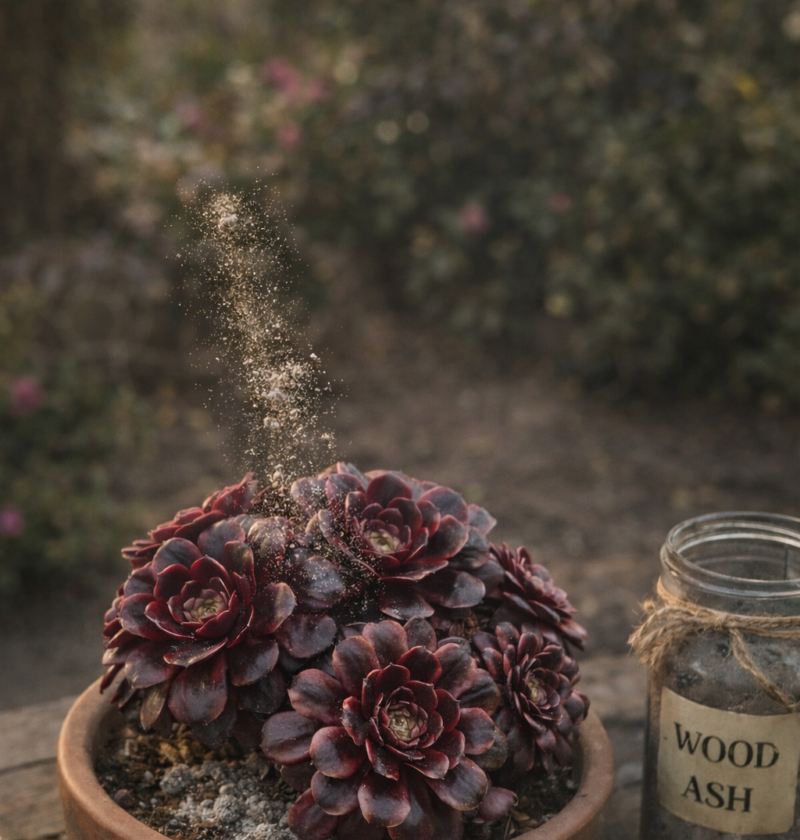
Long before commercial bloom boosters lined garden center shelves, home gardeners relied on what remained after winter fires burned low — fine, gray wood ash. It was never wasted. Carefully saved and lightly scattered, it became one of the simplest natural ways to support flowering plants.
Wood ash isn’t magic, and it isn’t suitable for every situation. But when used correctly, it can gently supply potassium and trace minerals that help plants develop strong stems and vibrant blooms. Like most traditional methods, its power lies in moderation, timing, and soil awareness.
⸻
🌿 Why Wood Ash Supported Stronger Blooms
Wood ash contains potassium and calcium, both important for plant structure and flowering performance. Potassium plays a key role in bud formation and overall plant resilience.
Gardeners valued wood ash because it:
✔️ Supplies natural potassium
✔️ Helps strengthen stems
✔️ Supports flower development
✔️ Raises soil pH slightly
✔️ Recycles fireplace waste
It worked best in soils that were slightly acidic and needed balancing.
⸻
✨ What Most People Get Wrong About Wood Ash
The most common mistake is applying too much. Wood ash is alkaline. Excess application can raise soil pH too quickly and limit nutrient absorption.
Important guidelines:
• Use ash only from untreated, natural wood
• Avoid charcoal briquettes
• Apply thinly, never in thick layers
• Do not use around acid-loving plants
• Test soil pH if possible
Wood ash is a supplement — not a replacement for balanced soil care.
⸻
🥄 Step-by-Step Routine for Safe Wood Ash Use
1. Collect Clean Ash
Use ash from burned hardwood only. Let it cool completely before handling.
2. Sift the Ash
Remove large charcoal pieces and debris for even distribution.
3. Apply Lightly
Sprinkle a thin dusting around flowering plants in early spring.
4. Mix into Soil
Lightly rake into the top inch of soil to prevent surface crusting.
5. Water Gently
Moisten soil after application to help minerals integrate.
6. Repeat Sparingly
Apply once or twice per season at most.
Light, measured application encourages balanced flowering support.
⸻
📊 Plant Care Table — Wood Ash Bloom Support Guide
Factor | Ideal Setup | Why It Helps
Application Rate | Thin dusting | Prevents pH imbalance
Timing | Early spring | Supports bud formation
Plant Type | Flowering vegetables & ornamentals | Potassium support
Soil Type | Slightly acidic | Benefits from pH adjustment
Frequency | 1–2 times per season | Avoids over-alkalizing
Drainage | Well-draining soil | Protects root health
Proper balance preserves soil vitality.
⸻
❓ Plant Care FAQ (Garden Section)
1. Can wood ash replace fertilizer?
No, it supplements potassium but lacks nitrogen.
2. Is it safe for all plants?
Avoid acid-loving plants like blueberries.
3. Does it increase blooms instantly?
No, results are gradual.
4. Can I use ash from charcoal grills?
Not recommended unless pure hardwood.
5. How much is too much?
Thick layers can damage soil balance.
6. Should I mix it into compost?
Yes, in small amounts.
7. Does it repel pests?
Lightly, but not as a primary solution.
8. Can I use it in containers?
Very cautiously and sparingly.
9. Does rain wash it away?
Light watering helps integrate it.
10. Is soil testing necessary?
Helpful if you’re unsure of pH.
⸻
🌿 Premium Indoor Styling Transition
Plants that bloom fully and consistently bring a refined energy into living spaces. Balanced nutrition outdoors often translates into stronger, healthier specimens when brought indoors or displayed near entryways and patios.
div>