Unexplained Bruising? What It Could Mean and When to See a Doctor
Have you ever looked down at your arm or leg and noticed a purple or yellow mark — with no memory of bumping into anything?
You’re not alone.
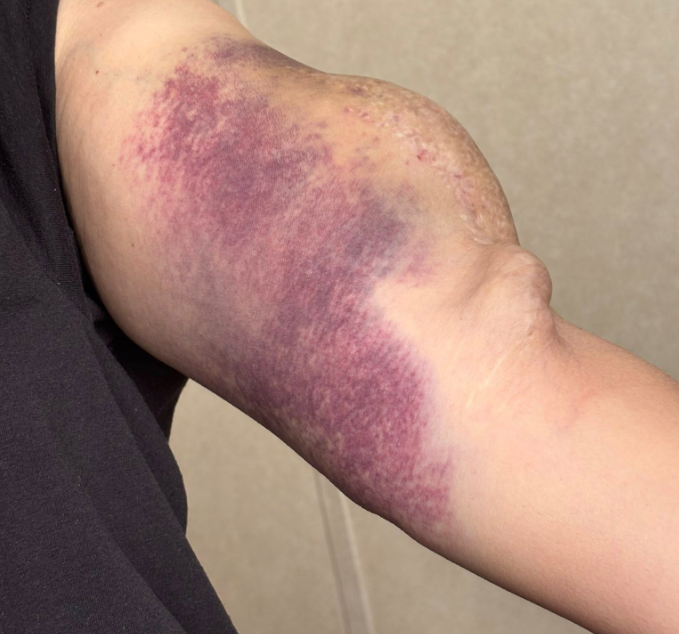
Unexplained bruising is common, especially as people age. In most cases, it’s harmless and simply the result of fragile blood vessels, minor unnoticed trauma, or medication effects. However, in some situations, easy or frequent bruising can signal an underlying health issue that deserves medical attention.
This guide will walk you through:
- Why bruises form
- Common harmless causes
- Medical conditions linked to easy bruising
- Warning signs to watch for
- When to see a doctor
The goal isn’t fear — it’s awareness. Most bruises are nothing serious. But understanding your body helps you know when to seek reassurance or care.
🧠 Why Do Bruises Form?
A bruise — medically called a contusion — occurs when small blood vessels (capillaries) under the skin break and leak blood into surrounding tissue.
This usually happens after:
- Bumping into furniture
- Minor falls
- Sports activity
- Pressure to the skin
Because the skin isn’t broken, the blood becomes trapped beneath the surface, causing discoloration.
Color Changes in a Typical Bruise
- Red or purple (fresh)
- Blue or dark purple
- Green
- Yellow or brown (healing stage)
Most bruises fade within 1–2 weeks without treatment.
✅ Common & Harmless Causes of Easy Bruising
Many cases of unexplained bruising are completely benign. Here are the most common reasons.
1. Aging Skin
As we age:
- The skin becomes thinner.
- Collagen production decreases.
- Protective fat layers diminish.
- Blood vessels become more fragile.
This makes bruising easier — even from minor contact you may not remember.
Older adults often notice bruises on the forearms and hands.
2. Sun Damage
Long-term sun exposure weakens collagen in the skin. This condition, sometimes called solar purpura, can cause purple patches on sun-exposed areas like the forearms.
These bruises may look dramatic but are generally harmless.
3. Medications
Several medications can increase bruising by affecting blood clotting or vessel integrity:
- Blood thinners (e.g., warfarin, apixaban)
- Aspirin
- Nonsteroidal anti-inflammatory drugs (NSAIDs)
- Corticosteroids
- Some antidepressants
If bruising begins after starting a new medication, discuss it with your doctor — but do not stop medications without guidance.
4. Supplements
Some natural supplements may mildly thin the blood, including:
- Fish oil
- Vitamin E
- Ginkgo biloba
- Garlic supplements
High doses may increase bruising tendency.
5. Exercise
Intense workouts — especially weightlifting — can cause small capillary breaks. These may appear as mild bruises, particularly in new trainees.
This is typically harmless and resolves quickly.
⚠️ When Bruising Could Signal a Health Issue
While uncommon, easy bruising combined with other symptoms may indicate an underlying condition.
1. Low Platelet Count (Thrombocytopenia)
Platelets help blood clot. When platelet levels are low, bleeding and bruising can occur more easily.
Possible signs:
- Frequent unexplained bruises
- Tiny red or purple dots on skin (petechiae)
- Bleeding gums
- Frequent nosebleeds
- Heavy menstrual bleeding
Causes range from viral infections to autoimmune conditions to bone marrow disorders.